Lentils and cotechino sausage
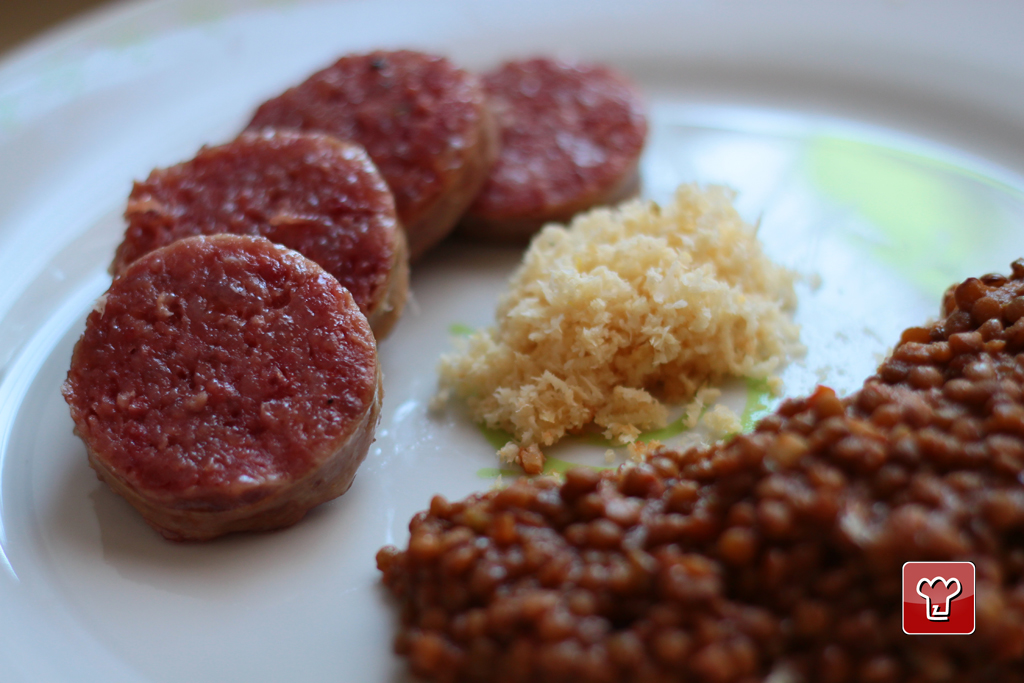
Lentils with cotechino sausage: a classic dish of the Italian holiday season, specifically that of New Year, eaten at midnight on 31 December or during lunch on 1 January on account of its auspicious symbolism: of the lentils, in particular, it is said that each represents a coin - the more you eat, the more you will earn in the New Year! A lovely, steaming hot dish, rich and substantial. It’s fun to cook together with friends while waiting to toast in the New Year. It can act as a meal in itself, especially as the first of the year when one is not so hungry, but it can also serve as part of a larger feast. It is traditionally eaten throughout Italy but has its origins in Emilia Romagna. So don’t miss out on the chance to gorge yourselves on lentil and cotechino sausage! Follow our recipe step-by-step and you will get the perfect result, not to mention the admiration of your guests.
Ingredients
Lentils and Cotechino: A Puglian Warmth
The cotechino, rich and flavorful, finds its balance in lentils, which, with their enveloping texture, meld beautifully with the Puglian tomato puree. This combination, simple and authentic, brings to the table a dish that warms the heart and highlights the quality of local ingredients.
* approximate values per serving
Preparation
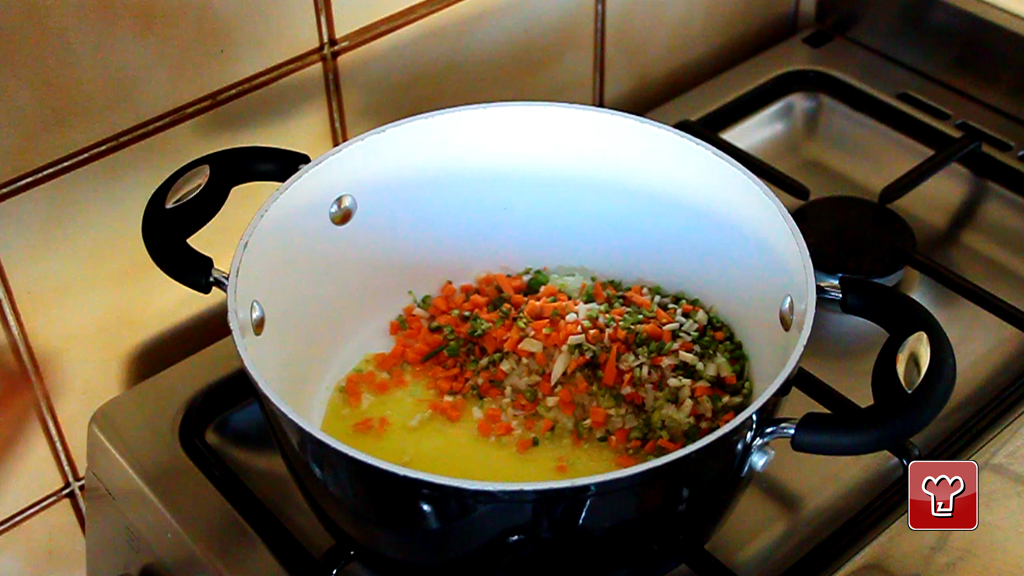
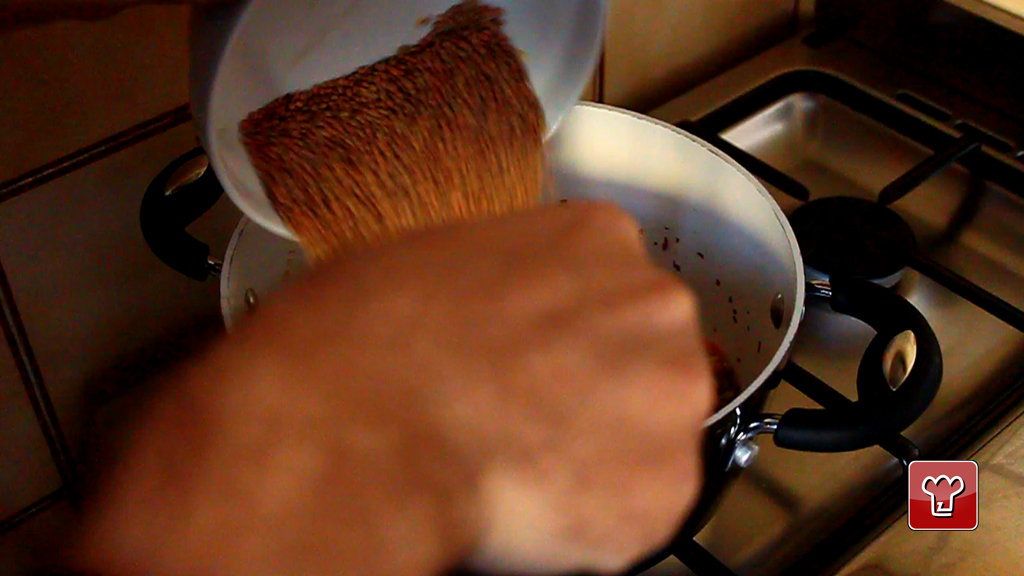
Make the lentils by frying together the chopped celery, carrot, onion and celeriac. Once softened, add a dash of white wine, let it evaporate, then add the lentils and enough hot water to cover. Add 2 pinches of salt, some ground pepper, sugar and a pinch of chilli powder. Prepare the sausage as follows: pierce on both sides with a toothpick and then submerge in warm water and bring to a boil. Cook for an hour and a half. In the meantime, cook the lentils for about 20 minutes, adding more water if it dries out. When the sausage is ready, remove it from the water and cut into 1cm thick slices and serve with the lentils.
Step by step
|
View the step by step
|
Make the lentils by frying the chopped celery, carrot, onion and celeriac
|
|
View the step by step
|
Once softened, add a dash of white wine and reduce, then add the lentils
|
|
View the step by step
|
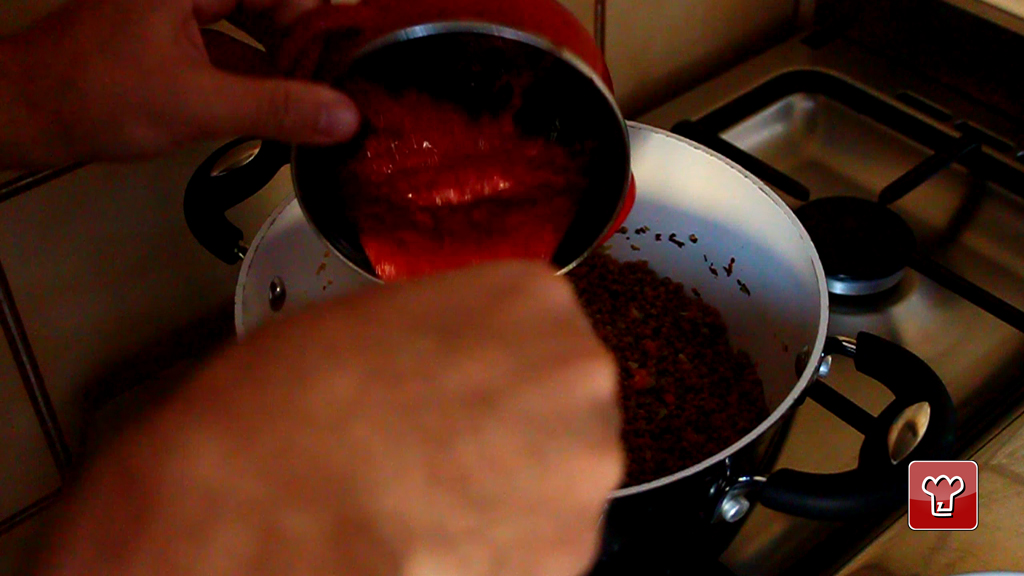
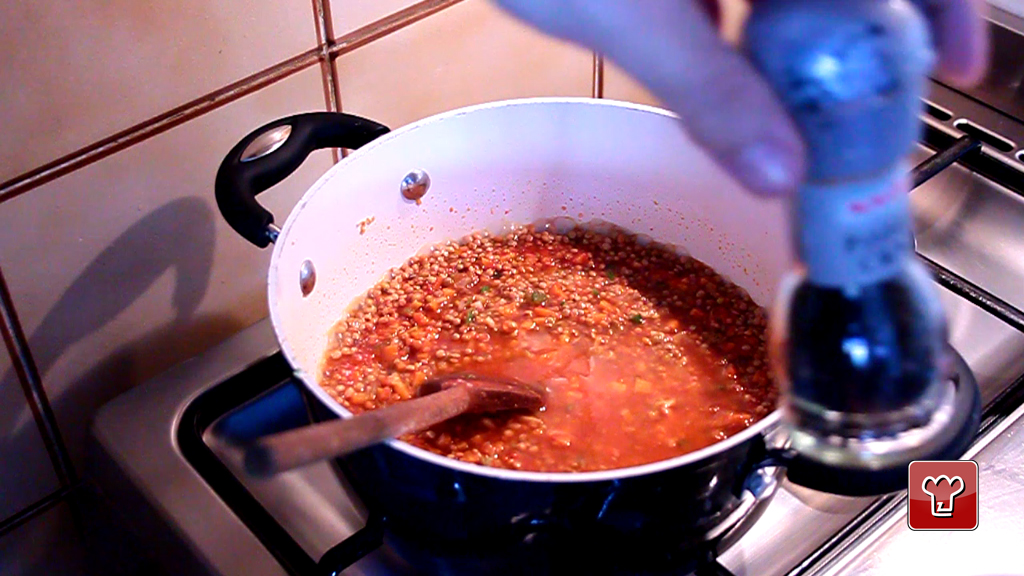
Add the tomato passata and mix well
|
|
View the step by step
|
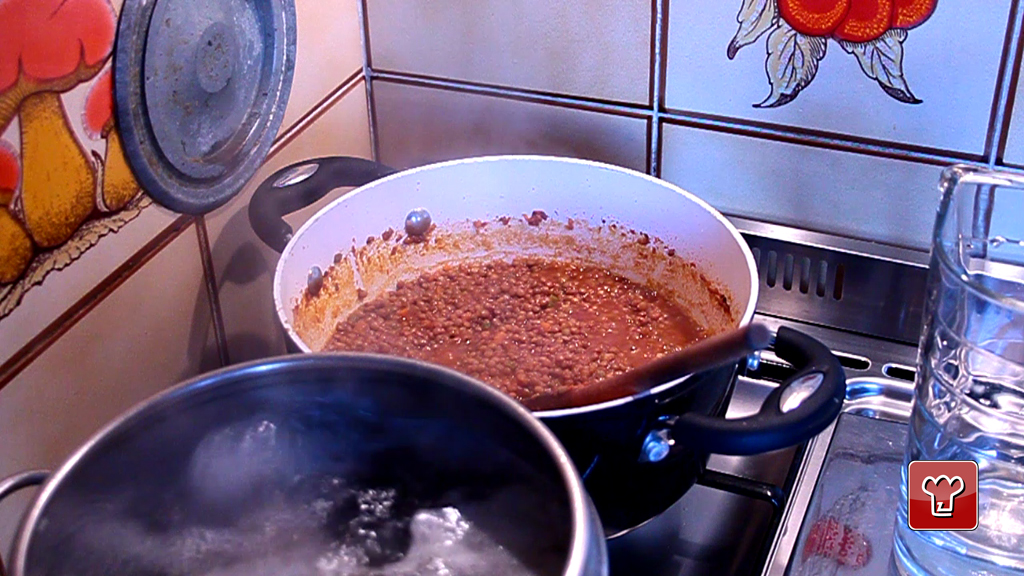
Add hot water until it covers everything and starts to be absorbed; add water as necessary during cooking
|
|
View the step by step
|
While cooking the lentils, add 2 pinches of salt, pepper, sugar and a pinch of chilli powder
|
|
View the step by step
|
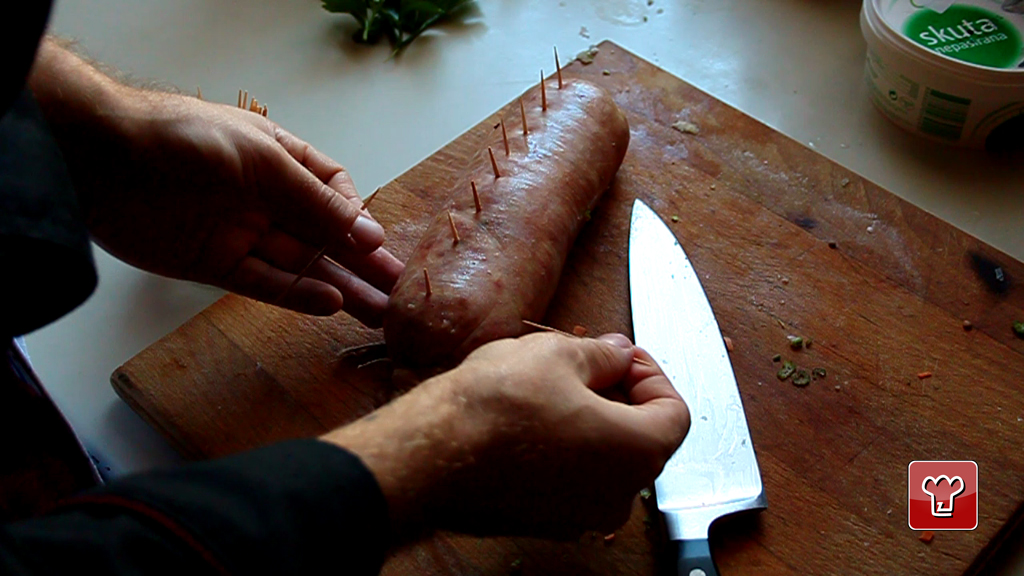
Make the cotechino sausage like this: pierce both sides of the sausage with a toothpick
|
|
View the step by step
|
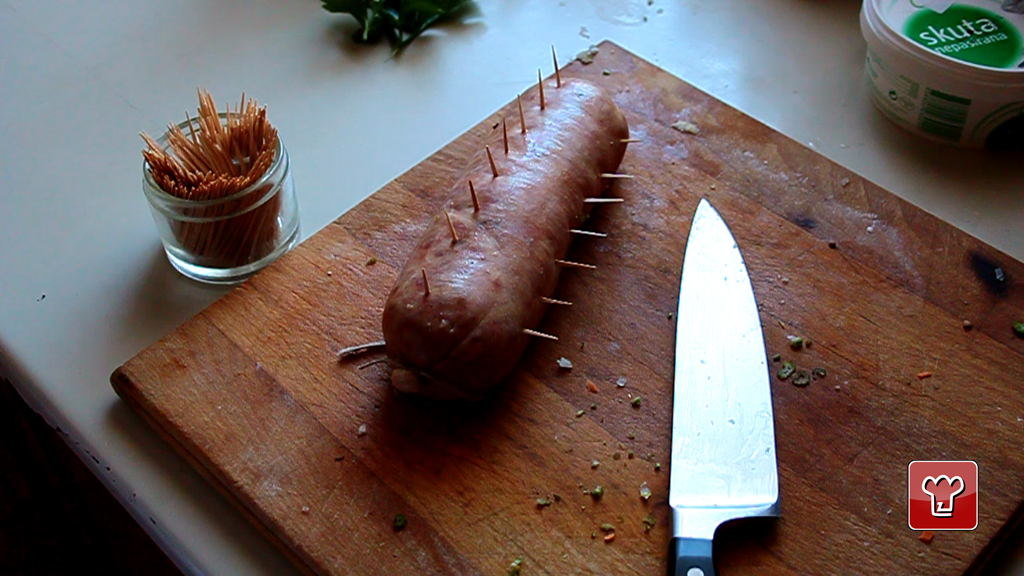
Make the cotechino sausage like this: pierce both sides of the sausage with a toothpick
|
|
View the step by step
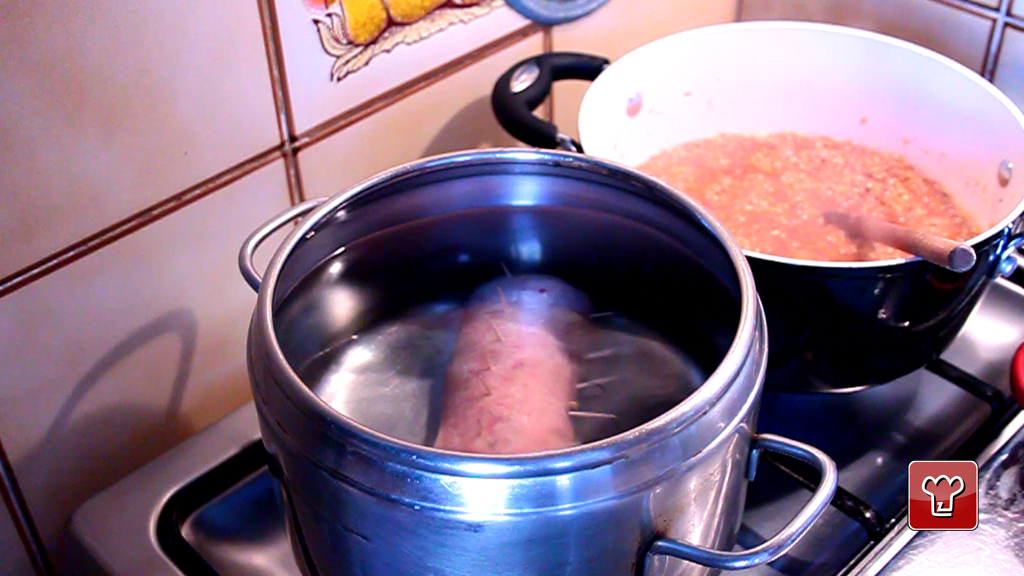
|
Then submerge it in tepid water and bring to the boil. Cook for one and a half hours
|
Additional information
Lintels and Cotechino with Tomato Sauce
One of the tastiest variations of the traditional Lintels and Cotechino recipe is definitely the addition of tomato sauce. This ingredient not only enriches the dish with flavor but also adds a note of freshness and acidity that perfectly balances the richness of the cotechino. To prepare this variation, simply add the tomato sauce during the cooking of the lentils, allowing the flavors to blend well. The result is a more colorful and inviting dish, ideal for holidays or a family dinner. Additionally, tomato sauce is a great ally for health, rich in antioxidants and vitamins, making this preparation not only flavorful but also nutritious.
Lintels and Cotechino from Valle d'Aosta
If you want a taste of the Valle d'Aosta tradition, you can prepare Lintels and Cotechino in a special way, following the typical recipe from the region. Here, the cotechino is often served with a generous portion of slowly cooked lentils, flavored with local aromatic herbs and a good red wine. The prolonged cooking of the lentils enhances the flavors and makes the dish even richer. Furthermore, in this variation, it is common to add a side of mashed potatoes to complete the dish, making it even more substantial and suitable for the cold climates of the region. This dish is perfect for special occasions and represents a true homage to the culinary tradition of Valle d'Aosta.
Light Lintels and Cotechino without Cotechino
For those who wish to enjoy Lintels without the cotechino, it is possible to prepare a light version of this traditional dish. By replacing the cotechino with a mix of spices and herbs, such as rosemary and bay leaf, the lentils can become a light and healthy dish, perfect for those following a balanced diet. In this preparation, you can also opt to add seasonal vegetables, such as carrots and zucchini, to enrich the dish with nutrients and color. Lentils are an excellent source of plant-based proteins and fibers, contributing to a healthy diet. Moreover, this variant is ideal for those who are intolerant to animal fats or for anyone who simply wants to maintain a lighter diet without sacrificing flavor.
The Benefits of Lintels and Their Calories
Lentils are an extraordinary food for health, rich in proteins, fibers, and minerals such as iron and magnesium. In particular, they are an excellent source of plant-based proteins, making them ideal for those following a vegetarian or vegan diet. Consuming lentils can help maintain stable blood sugar levels, contributing to better weight management. On average, a serving of cooked lentils (about 200 grams) contains around 230 calories, making them a great choice for a nutritious and filling meal. Additionally, lentils are rich in antioxidants, which help combat free radicals and keep the immune system strong.
Can Lintels and Cotechino be Frozen?
One of the most common questions regarding the preservation of Lintels and Cotechino is whether it is possible to freeze this dish. The answer is yes, but with some precautions. Cooked lentils can be easily frozen, but it is advisable to do so without the cotechino, as the meat may alter its texture and flavor once thawed. It is best to freeze the lentils in portions, ensuring to use airtight containers to avoid freezer burn. When you wish to consume them, simply thaw them in the refrigerator and reheat them in a pan or microwave. This way, you can enjoy a warm and comforting dish even days after preparation.