Beef medallions with ham and sage
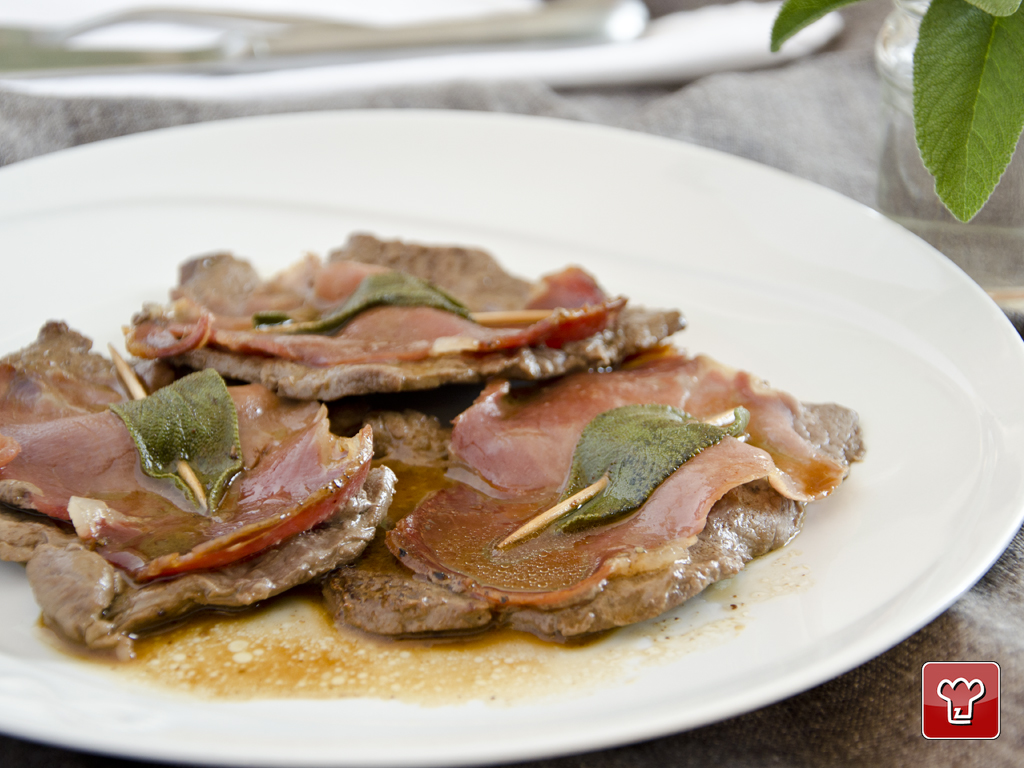
How not to be in awe of a main course like this? Among the classic dishes of Italian cuisine we must certainly include the beef medallions known as ‘saltimbocca alla romana’, which above all others exemplifies the cuisine of Rome, its place of origin. Beef medallions is a meat dish which is very easy and quick to prepare: the meat, in fact, is made very tasty as it is cooked in butter, but at the same time the dish has sophisticated air because the meat is decorated with a slice of ham and a sage leaf fixed with a toothpick. Some people prefer to prepare and serve the medallions as small stuffed rolls rather than flat. We propose thin layers instead: you just need to follow our recipe, with the help of the photo sequences, and you will be able to offer a dish of the highest quality to your family and friends!
Ingredients
* approximate values per serving
Preparation
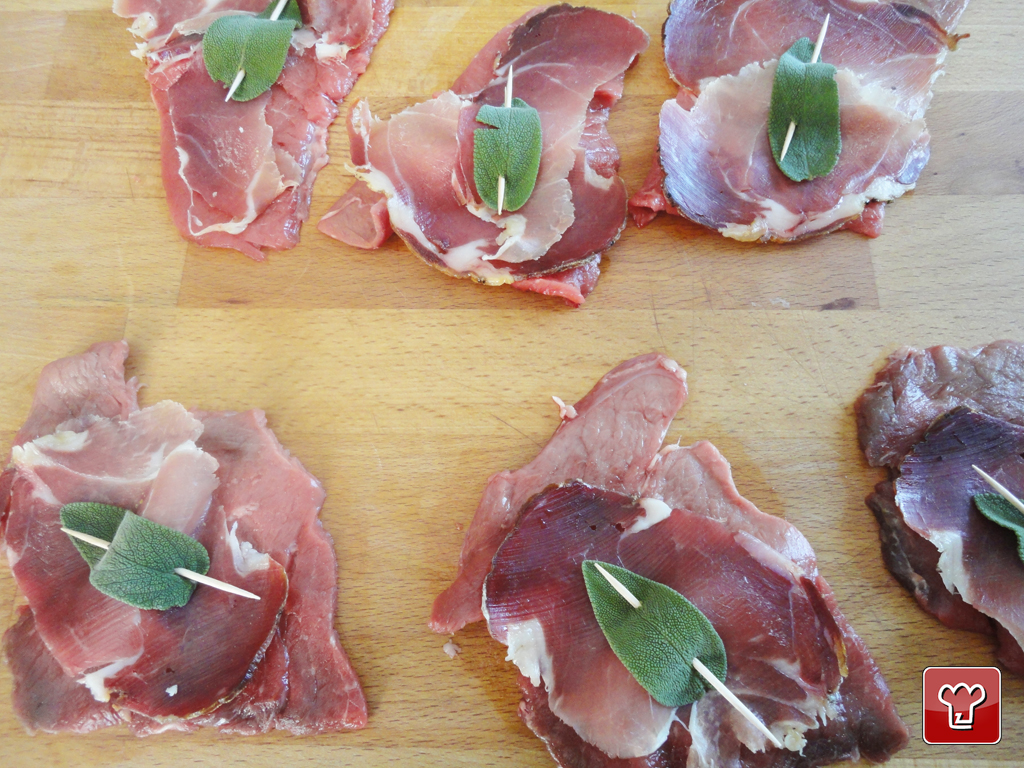
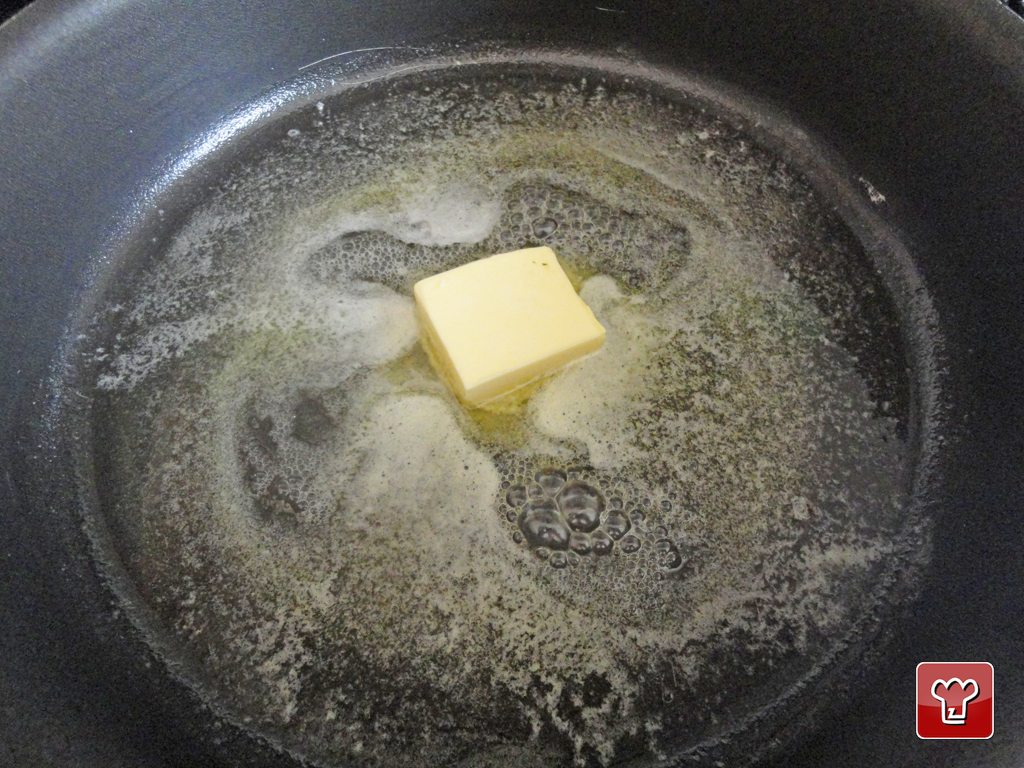
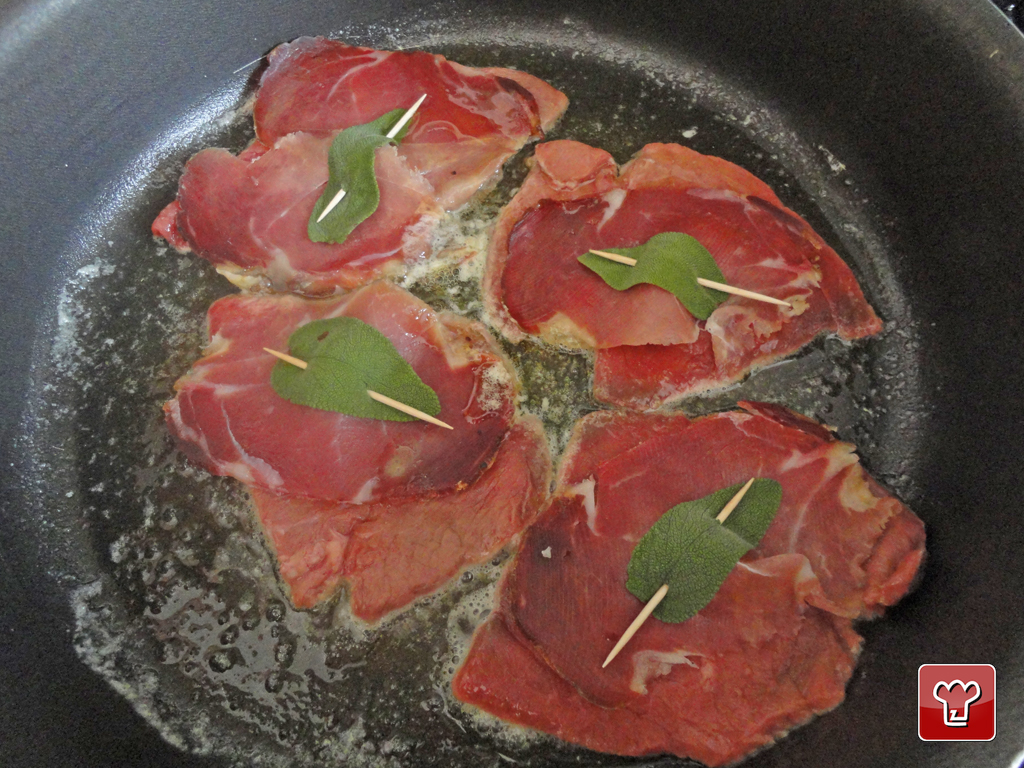
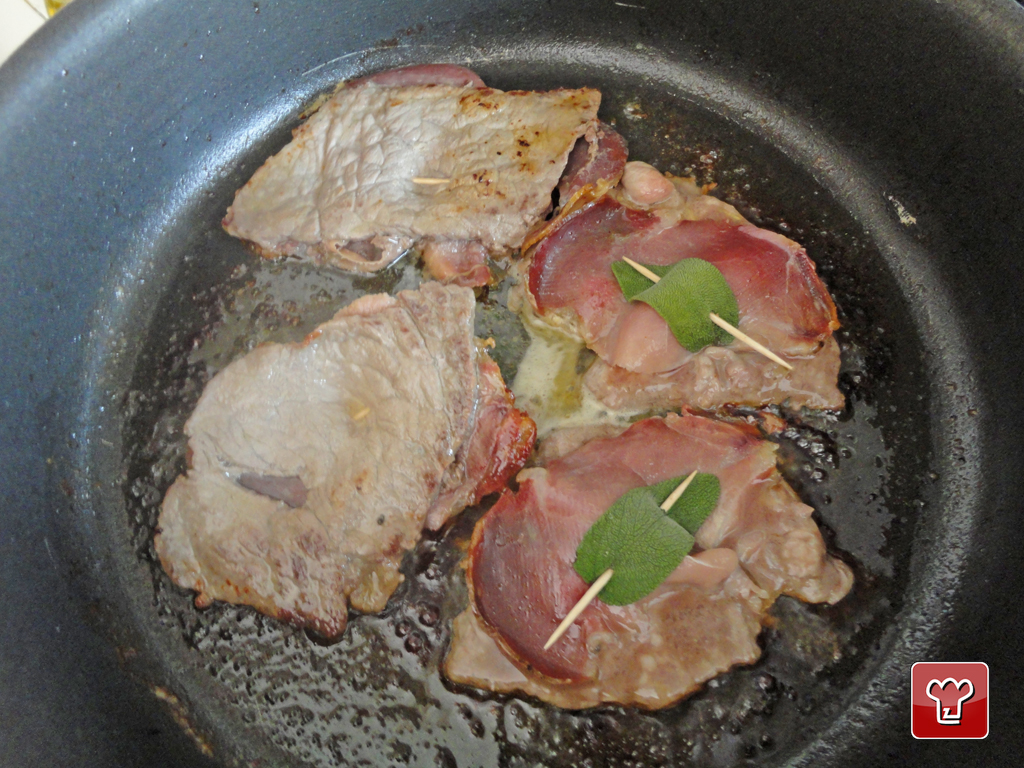
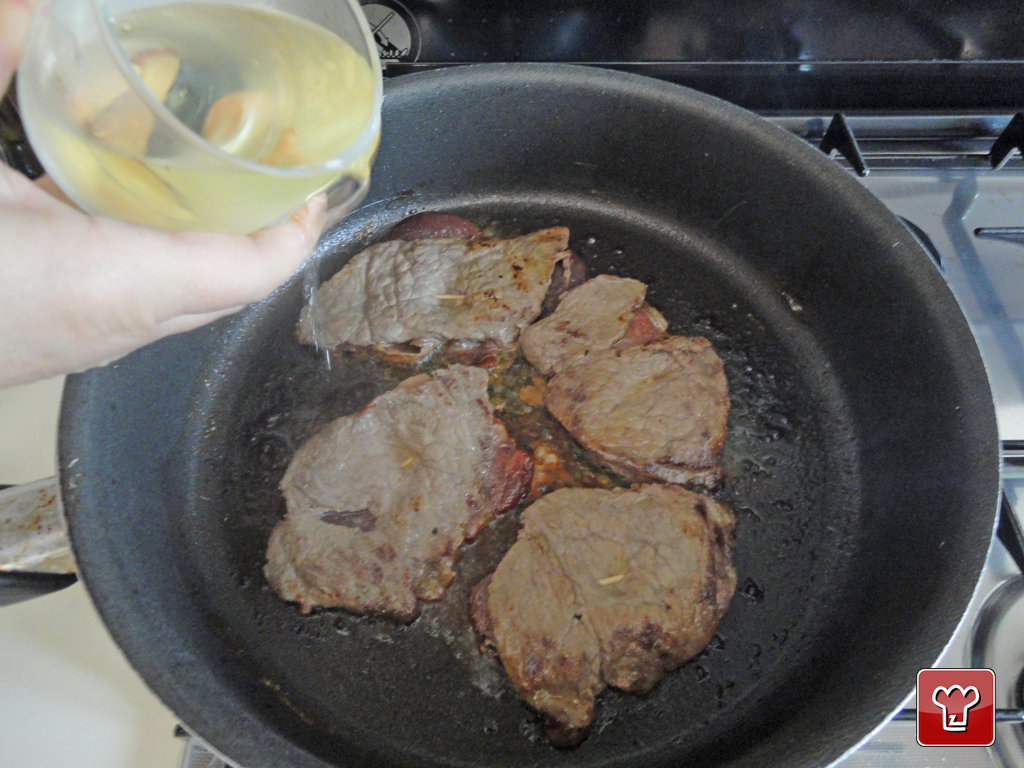
Flatten the slices of meat on chopping board with a meat hammer, and rest half a slice of ham and a sage leaf on each. Fix the ham and meat together with a toothpick. Melt the butter in a pan and add then add the meat, seasoned with a little salt and pepper. Brown the meat over a high heat on both sides, a little less on the ham side, pour in the white wine and let it evaporate. Arrange the saltimbocca on a serving dish, add two tablespoons of water to the cooking juices and drizzle over the saltimbocca. Serve immediately.
Step by step
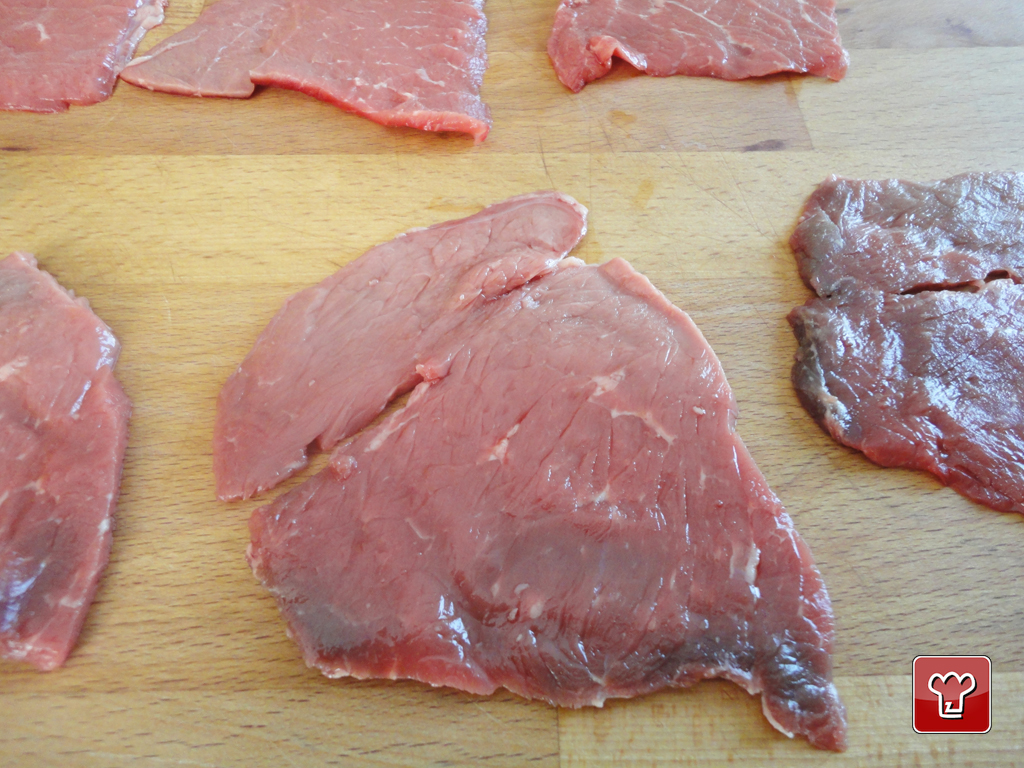
|
View the step by step
|
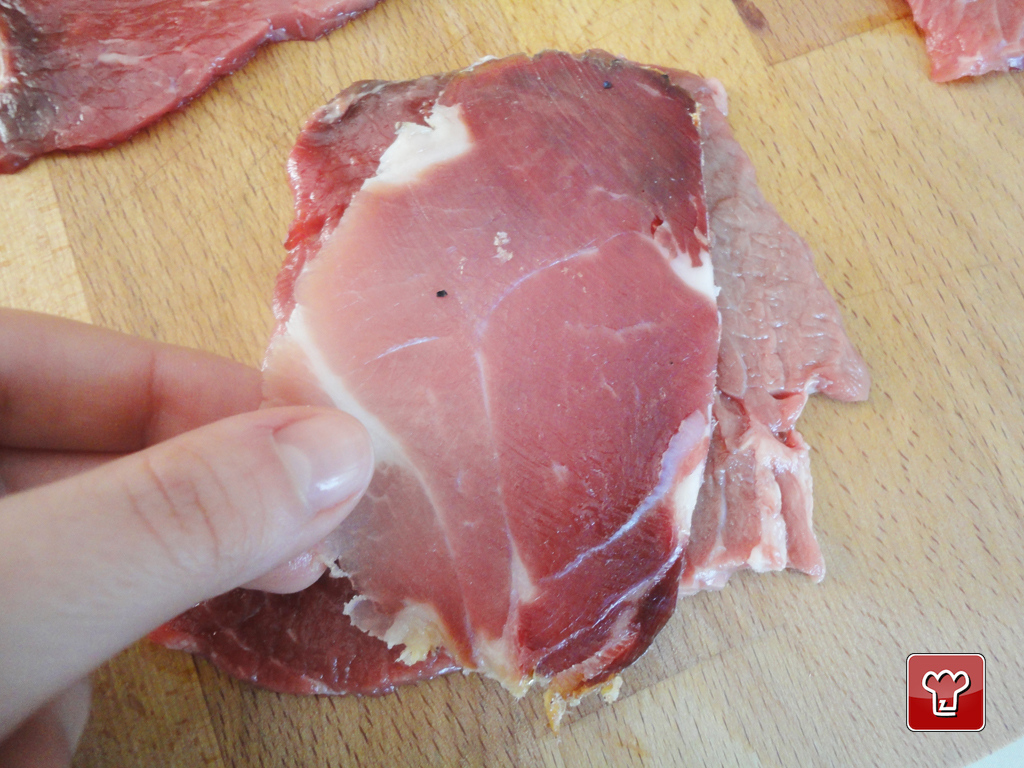
Put half a slice of ham on each slice of meat
|
|
View the step by step
|
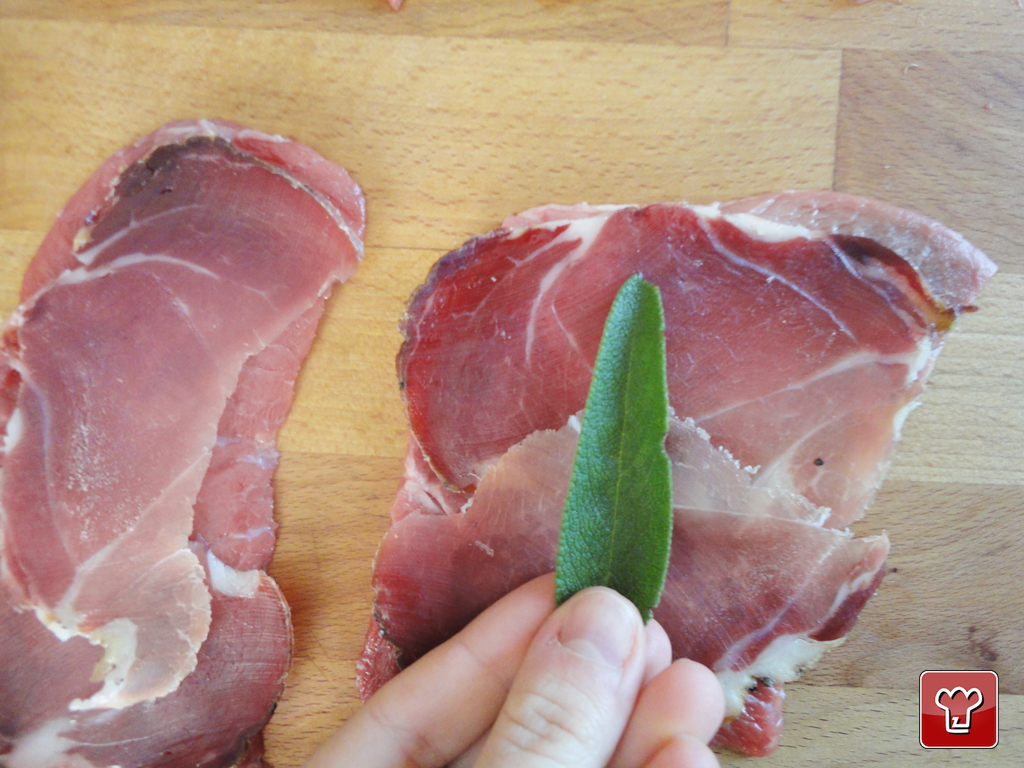
Add a sage leaf to each slice
|
|
View the step by step
|
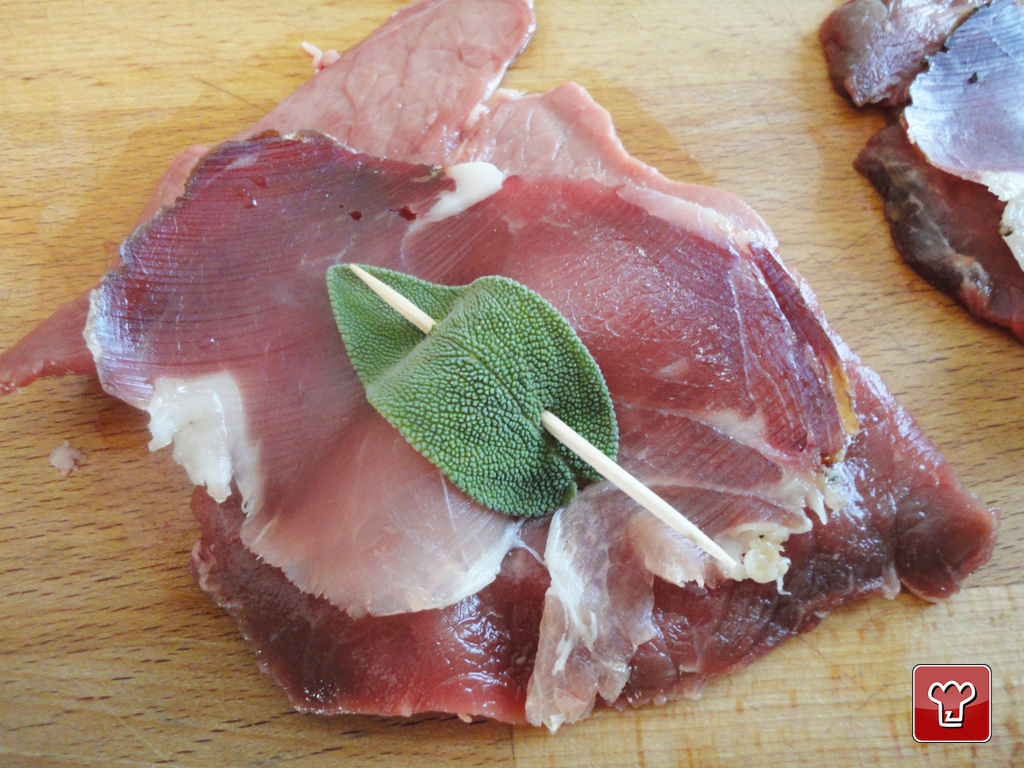
Attach everything together with a toothpick
|
|
View the step by step
|
Repeat the procedure with every slice of meat
|
|
View the step by step
|
Melt the butter in a large frying pan
|
|
View the step by step
|
Brown the medallions on both sides
|
|
View the step by step
|
Brown the ham side slightly less
|
|
View the step by step
|
Deglaze with white wine.
|
|
View the step by step
|
Serve and enjoy
|
Additional information
Roman-style Saltimbocca with Mashed Potatoes
Roman-style saltimbocca can be further enhanced with a delicious mashed potato side. This variant not only enriches the dish but also offers a contrast of textures and flavors. To prepare the mashed potatoes, boil the potatoes, mash them, and incorporate butter and milk to achieve a smooth cream. Serving the saltimbocca with the mashed potatoes creates a perfect pairing, where the savoriness of the prosciutto and the freshness of the sage blend with the sweetness of the potatoes. This combination is ideal for a family lunch or an elegant dinner, making the dish even more inviting and substantial. Don't forget to garnish the plate with a few fresh sage leaves for a touch of color and aroma.
Roman-style Saltimbocca Neapolitan Style
An interesting variant of the classic Roman-style saltimbocca is the Neapolitan-style preparation. Here, in addition to the prosciutto and sage, typical ingredients from the Neapolitan tradition can be added, such as fresh cherry tomatoes and olives. The veal is cooked in a rich sauce, enhancing the flavors with a mix of Mediterranean aromas. This version, more moist and flavorful, is perfectly suited to be served with a side of seasonal vegetables or a good mashed potato. The addition of cherry tomatoes gives freshness and liveliness to the dish, making it perfect for any occasion, even for a summer dinner outdoors. The combination of typical Neapolitan ingredients makes the saltimbocca even more tasty and appetizing.
Light Roman-style Saltimbocca Without Butter
For those who desire a lighter version of the classic Roman-style saltimbocca, it is possible to prepare them without butter, replacing it with a drizzle of extra virgin olive oil. This light variant maintains the flavors of the original dish but significantly reduces calories and fat content. Cooking the meat in a pan with the oil will still achieve a perfect browning and succulent cooking. Additionally, it is possible to accompany the saltimbocca with a side of grilled vegetables or mixed salad for a balanced and nutritious meal. This recipe is ideal for those following a controlled diet but who do not want to give up flavor. Thus, the light saltimbocca become a versatile and healthy dish, perfect for any day of the week.
Nutritional Benefits of Roman-style Saltimbocca and Approximate Calories
Roman-style saltimbocca, made with veal, offer several nutritional benefits. Veal is a source of high-quality protein, essential for building and maintaining muscle mass. Additionally, it is rich in B vitamins, which support energy metabolism and the proper functioning of the nervous system. Prosciutto, although high in sodium, also provides iron and zinc, important for immune system health. In a serving of Roman-style saltimbocca, the calorie content is around 350-400 calories, depending on the amount of butter used and additional ingredients. When consumed in moderation, they can fit into a balanced diet, especially when accompanied by vegetable-based sides.
Can Roman-style Saltimbocca Be Frozen?
Many wonder if it is possible to freeze Roman-style saltimbocca. The answer is yes, but with some precautions. It is advisable to freeze the saltimbocca before cooking, in order to best preserve the texture and flavor of the meat. Once assembled, wrap them individually in plastic wrap and then place them in a freezer-safe food bag. This way, they can be stored for up to three months. When you wish to consume them, it is important to thaw them in the refrigerator overnight and then cook them as indicated in the recipe. If already cooked, it is possible to freeze them, but the final quality may be affected, so it is preferable to consume them fresh to fully enjoy their goodness.