Vegetable soup with spelt
For those who enjoy healthy and tasty cooking, minestrone is absolutely the right dish for any time of the year. During winter you can serve it accompanied with croutons, while during the summer you can eat it cold. Depending on the time of year it is prepared in several ways, using seasonal vegetables, so it is almost impossible to give a definitive recipe even if there are certain vegetables that are typically used. Aesthetically, minestrone looks like a soup and sometimes it is completed with the addition of rice or pasta. The preparation, although it may seem simple, is quite laborious, since you have to clean and chop all the vegetables; in the end, though, you'll have a really tasty dish so the time is well spent. A recipe to try right now!
Ingredients
Pugliese Vegetable Minestrone
 Tasting and tasting of artisan pastes
In this vegetable minestrone, Puglian lentils come together with fresh zucchini to create a nourishing dish brimming with flavor. These ingredients, cultivated with care, highlight the simplicity of rustic cooking, offering a comforting meal that warms the soul.
* approximate values per serving
Preparation
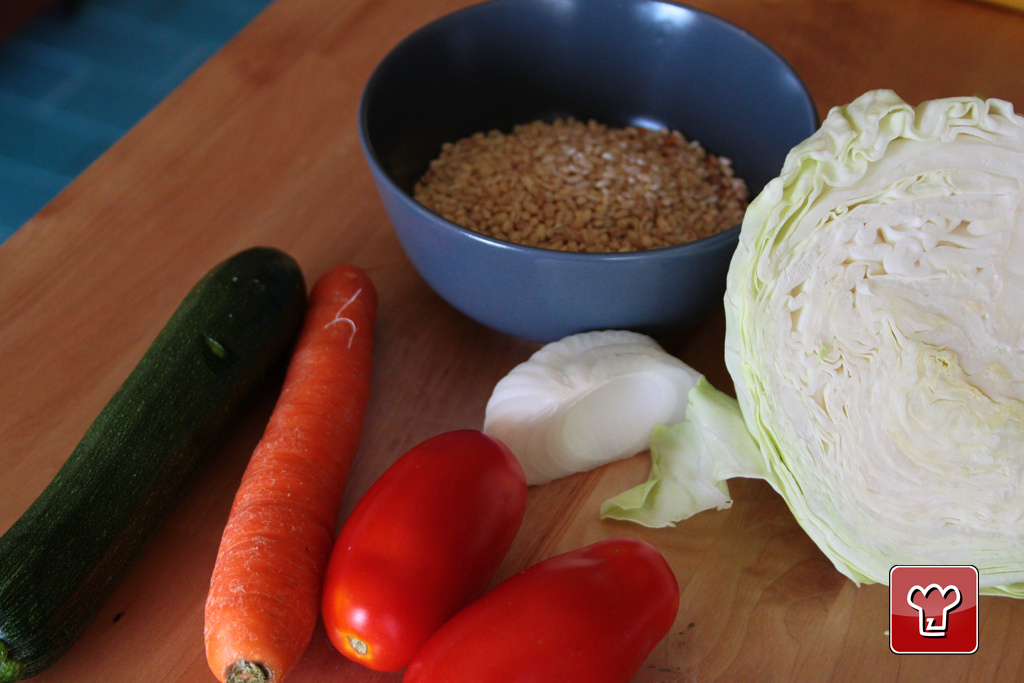
Cut all the vegetables into medium sized chunks. Heat the lard with a little olive oil. Then add the vegetables and fry for a few minutes. Add the hot water, the grains and lentils, and a pinch of salt. Cook for an hour and a half, stirring every 10 minutes. Add water after 45 minutes and continue cooking. Once ready, serve with a drizzle of olive oil.
Step by step
|
View the step by step
|
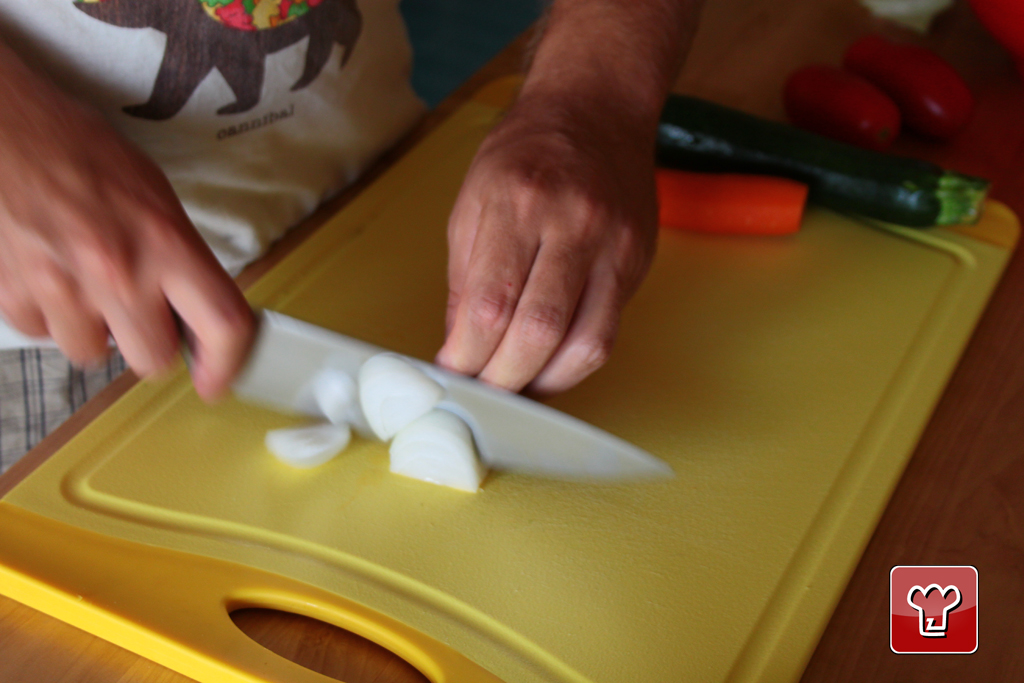
Chop the onion into slices
|
|
View the step by step
|
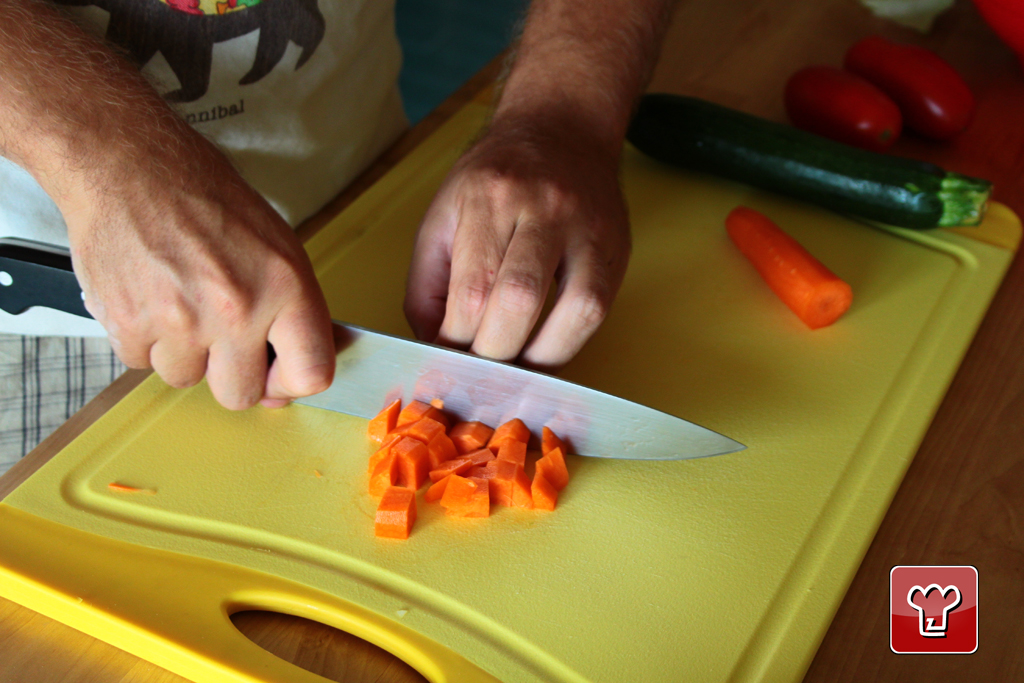
Chop the carrots into big cubes
|
|
View the step by step
|
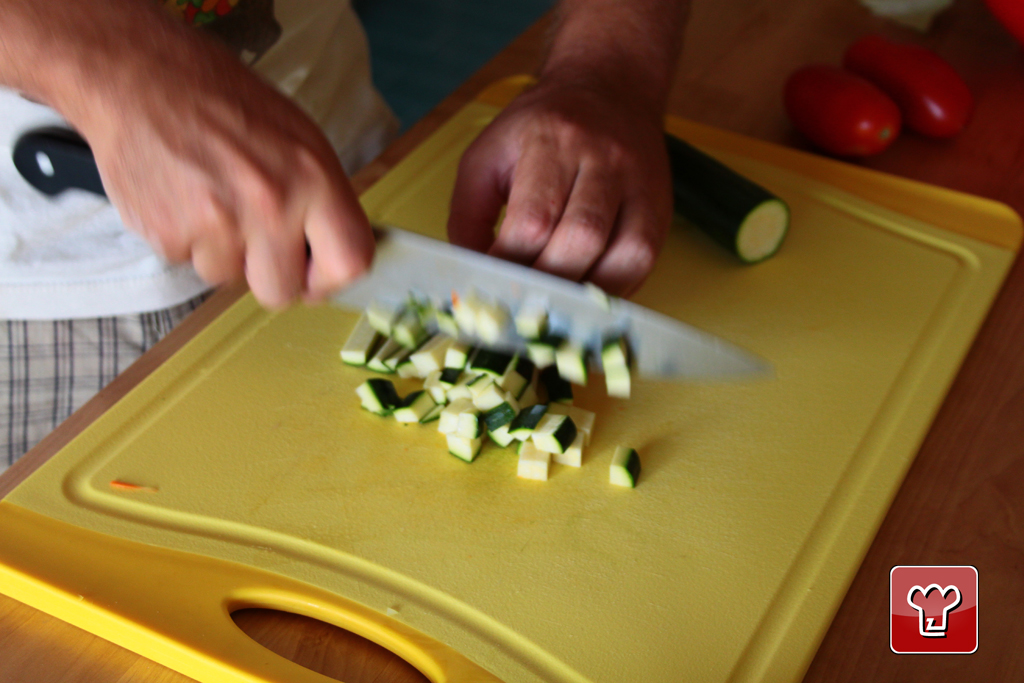
Chop the courgettes into large cubes
|
|
View the step by step
|
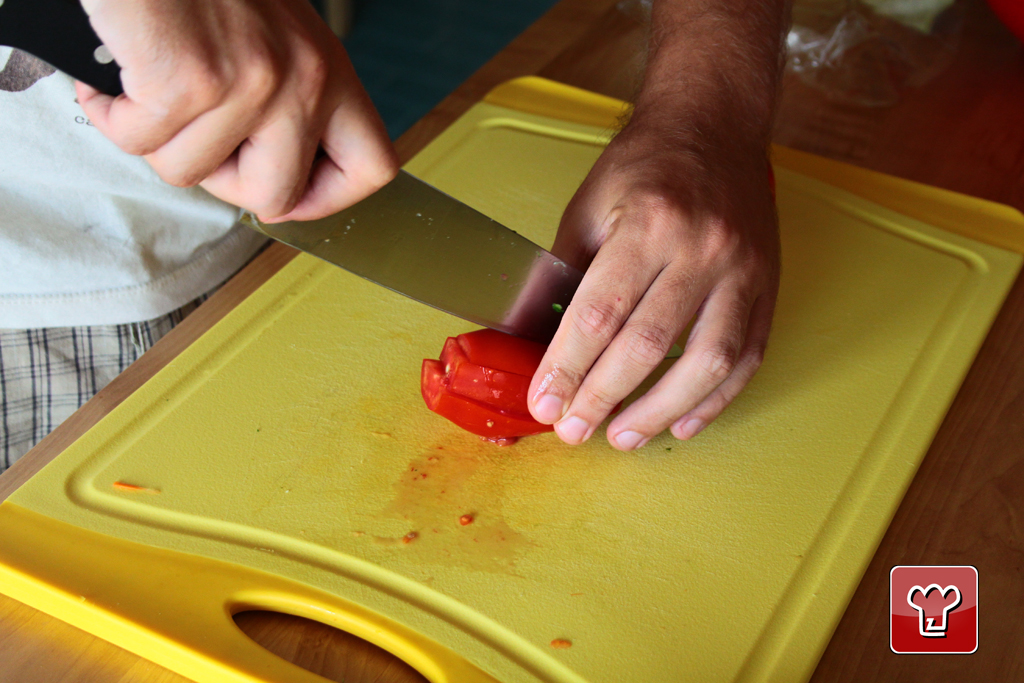
Cut the fresh tomato into little pieces
|
|
View the step by step
|
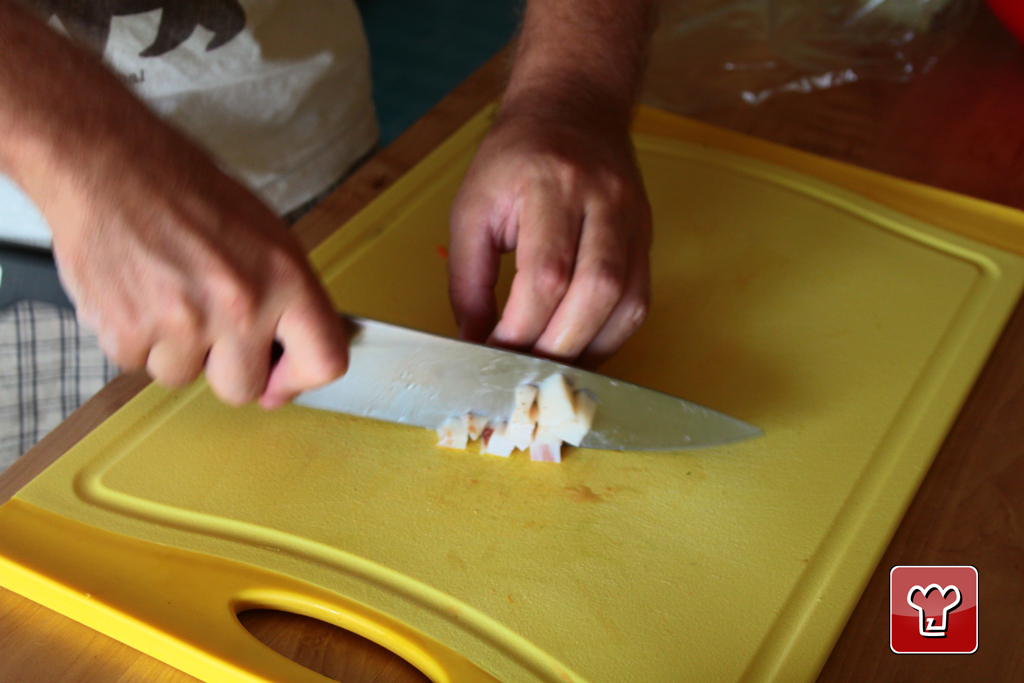
Cut the lard into cubes, which will give still more depth of flavour to the minestrone
|
|
View the step by step
|
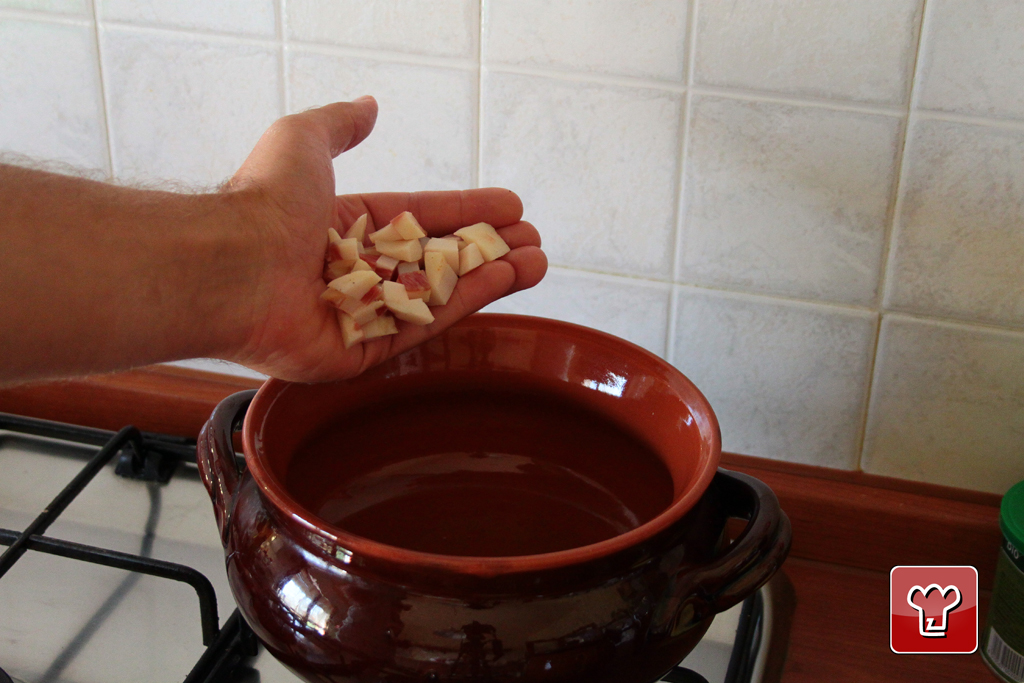
Fry the lard in a large saucepan
|
|
View the step by step
|
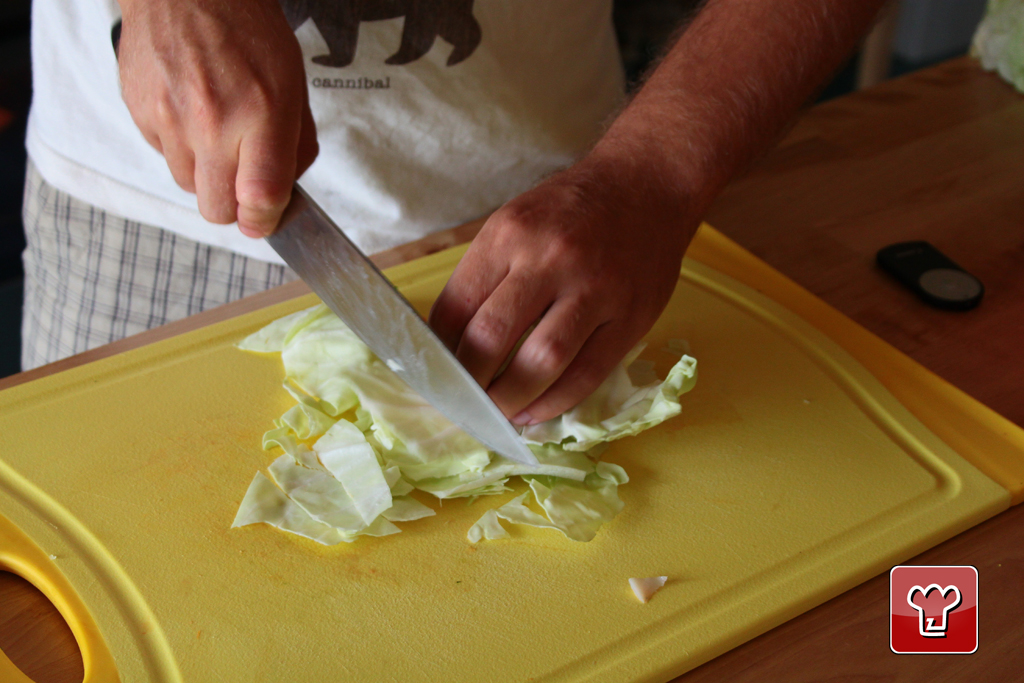
Slice the cabbage
|
|
View the step by step
|
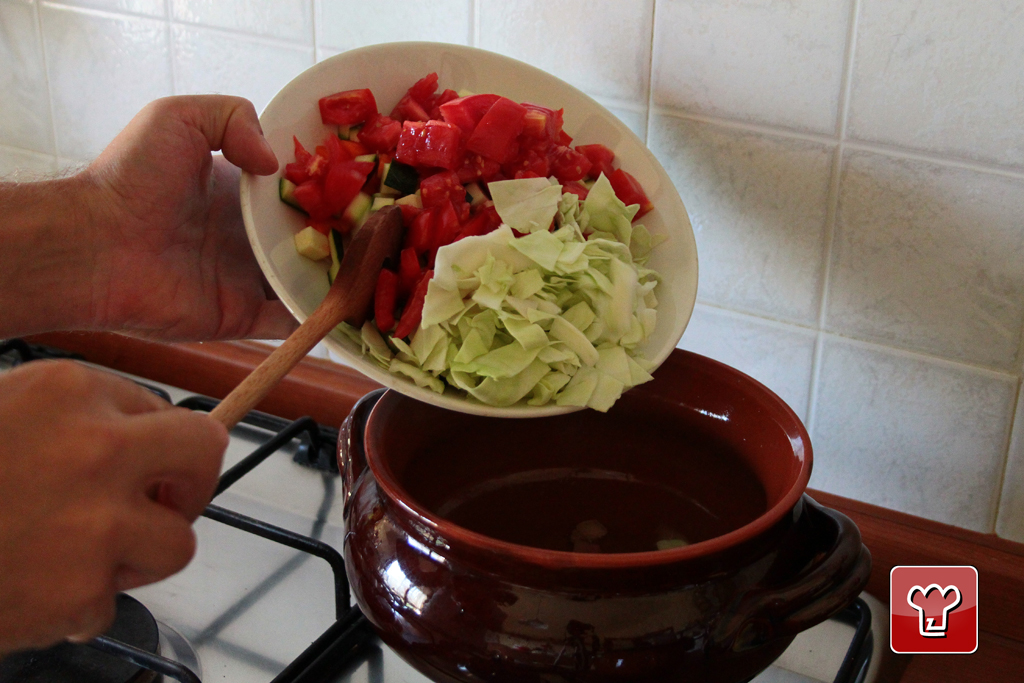
Add the vegetables and brown them for a few minutes
|
|
View the step by step
|
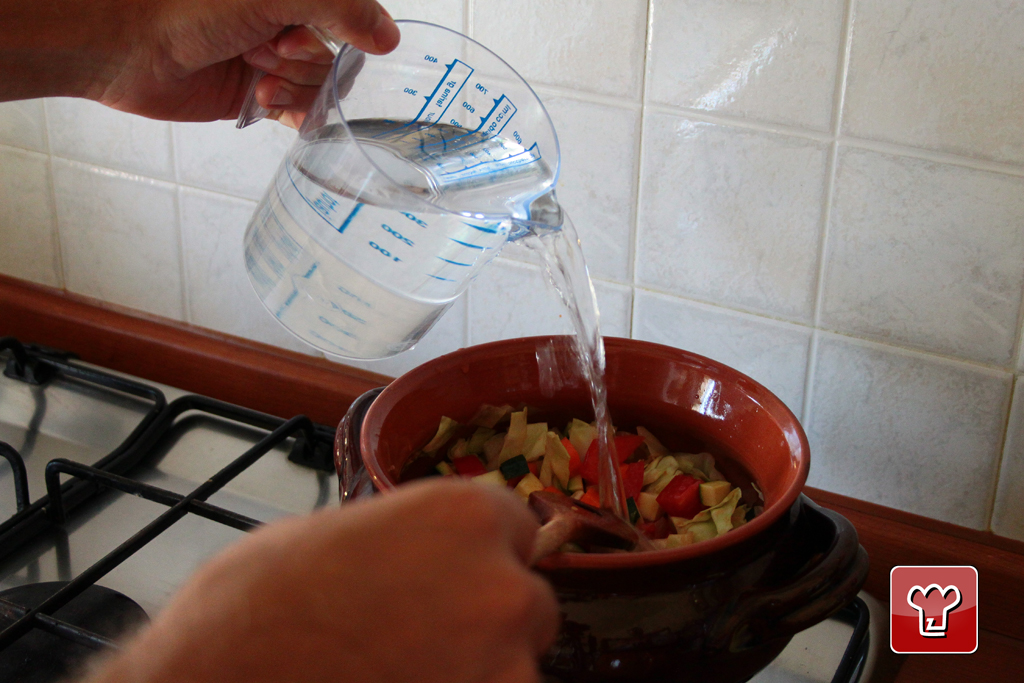
Add enough hot water to just cover the vegetables, then add salt
|
|
View the step by step
|
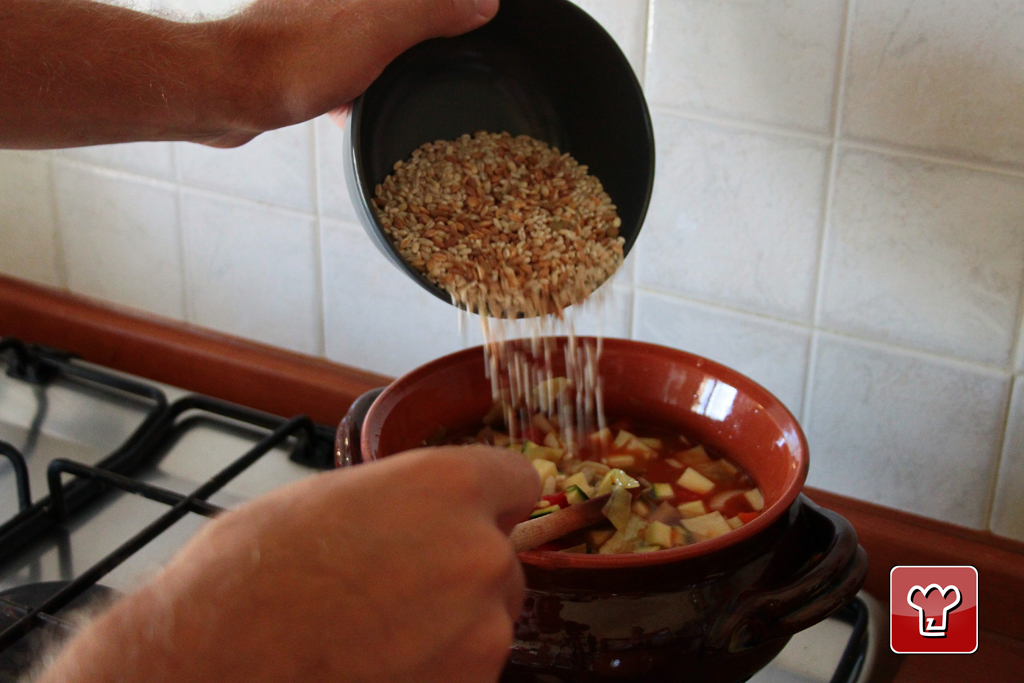
Add the spelt to the pot for the last 20-30 minutes
|
|
View the step by step
|
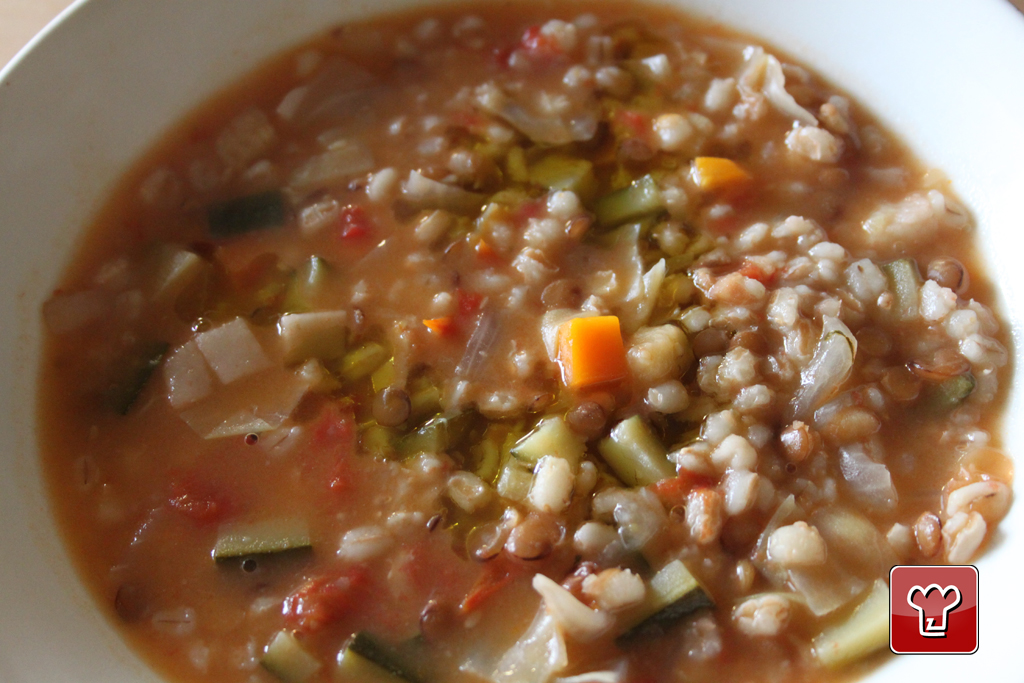
Here is your minestrone, healthy and tasty!
|
Additional information
Vegetable Minestrone with Guanciale and Grains
One of the tastiest variations of vegetable minestrone is the one enriched with guanciale and grains such as barley and spelt. This preparation stands out for its intense flavor and hearty consistency, thanks to the addition of diced guanciale that, during cooking, releases its fat, giving the dish a warm aroma. To prepare this minestrone, start by sautéing the guanciale in a drizzle of oil in a clay pot, then add the diced vegetables. After letting everything flavor, pour in hot water along with the grains and lentils. This minestrone is perfect for family lunches and can be served hot, garnished with a drizzle of raw extra virgin olive oil, to further enhance the flavors.
Piedmontese Vegetable Minestrone with Savoy Cabbage and Tomatoes
The Piedmontese vegetable minestrone is characterized by the use of fresh, seasonal ingredients typical of the culinary tradition of Piedmont. In this version, savoy cabbage and tomatoes play a fundamental role, giving the dish a rich flavor and vibrant color. To prepare it, start with a sauté of onion and guanciale, to which diced vegetables are added. The addition of fresh tomatoes allows for a flavorful and aromatic broth, while the savoy cabbage adds a note of sweetness. Slow cooking allows the flavors to meld and results in a creamy consistency. This minestrone is ideal for warming up cold winter evenings, bringing a piece of Piedmontese tradition to the table.
Light Vegetable Minestrone without Guanciale
For those looking for a lighter version of the classic vegetable minestrone, the preparation without guanciale is ideal. This light minestrone retains all the nutrients of the vegetables and offers a healthy and balanced dish. To make it, you can simply omit the guanciale and replace it with a sauté of onion, carrot, and celery, using a drizzle of extra virgin olive oil. Vegetables such as zucchini, savoy cabbage, and tomatoes can be used abundantly, making the dish colorful and rich in vitamins. This light minestrone is perfect for those who wish to maintain a healthy diet without sacrificing flavor, and it can be served with a sprinkle of grated Parmesan for an extra touch.
Vegetable Minestrone: Benefits and Nutritional Values
Vegetable minestrone is an extremely nutritious and healthy dish, rich in vitamins, minerals, and fiber. The main ingredients, such as fresh vegetables and legumes, contribute to a balanced diet and promote digestive health. Vegetables like zucchini, carrots, and tomatoes are a source of antioxidants, which help fight free radicals and prevent diseases. Additionally, legumes like lentils and grains like barley and spelt provide a good dose of plant-based proteins and complex carbohydrates, making the dish filling and nutritious. A serving of vegetable minestrone provides about 150-200 calories, depending on the ingredients used, making it an excellent choice for those looking to maintain their weight.
Can Vegetable Minestrone be Frozen?
Vegetable minestrone freezes very well, making it a practical solution to always have a healthy and quick meal on hand. To freeze it, it is advisable to let it cool completely and store it in airtight containers or freezer-safe food bags. This way, you can keep it for several weeks. When you decide to consume it, simply thaw it in the refrigerator for a few hours and then reheat it in a pot or microwave. However, it is important to note that some vegetables may lose some of their texture after freezing, so it is better to avoid freezing minestrone with particularly delicate ingredients, such as zucchini, if you do not want a softer consistency. In any case, the flavor will remain delicious!