Milanese Risotto
In Milan province ‘Risotto alla Milanese’ is a real institution. It’s impossible to have avoided ever tasting it and, above all, inconceivable not to know how to prepare it. Here we present the original recipe, which includes the addition of bone marrow, which you should have if you are also making ‘Ossibuchi alla Milanese’, and a little fat from some roast meat, which is optional. The real Milanese eat it with a spoon. The ‘Brianza’ and the ‘milanes arios’ douse the rice with red wine before adding the broth, so to make up for the absence of roast meat fat, which will not be available except on special occasions, because their roast meat is often cooked with wine. This use has spread as the ‘Milanese style’. It’s also important to form a ‘wave’ - that is, where all the grains of rice are smoothly connected together. And this is the basis for making other recipes: ‘salted’ risotto; baked rice ‘pie’ with roast pigeons, ‘filoni’, sweetbreads and dried mushrooms - cooked separately - and truffles; and risotto croquettes, breaded and fried in butter. For some of these preparations we recommend combining the risotto with one or two whole eggs.
Ingredients
* approximate values per serving
Preparation
Place the bone marrow, butter, any juices or gravy from a roast, and thinly sliced onion in a saucepan; let them cook gently over a low heat until they take on a golden colour. Add the rice and stir it well so it absorbs the seasoning. At this point, deglaze with white wine and turn up the heat. Keep stirring with a wooden spoon, then start to add the boiling stock – real stock, not from a stock cube - over the rice, one ladle at a time. As the stock evaporates and is absorbed, continue to cook it over a high flame, adding more ladles of stock until cooked, being careful that the rice remains ‘al dente’. When it is two-thirds cooked, add the saffron. Please note that if using saffron threads, you add it two-thirds of the way through to give it a chance to melt, but if it is in powder form it is better to add it at the end of cooking so as not to lose its fragrance. Finally add a knob of butter and Parmesan. Stir well and serve.
Step by step
|
View the step by step
|
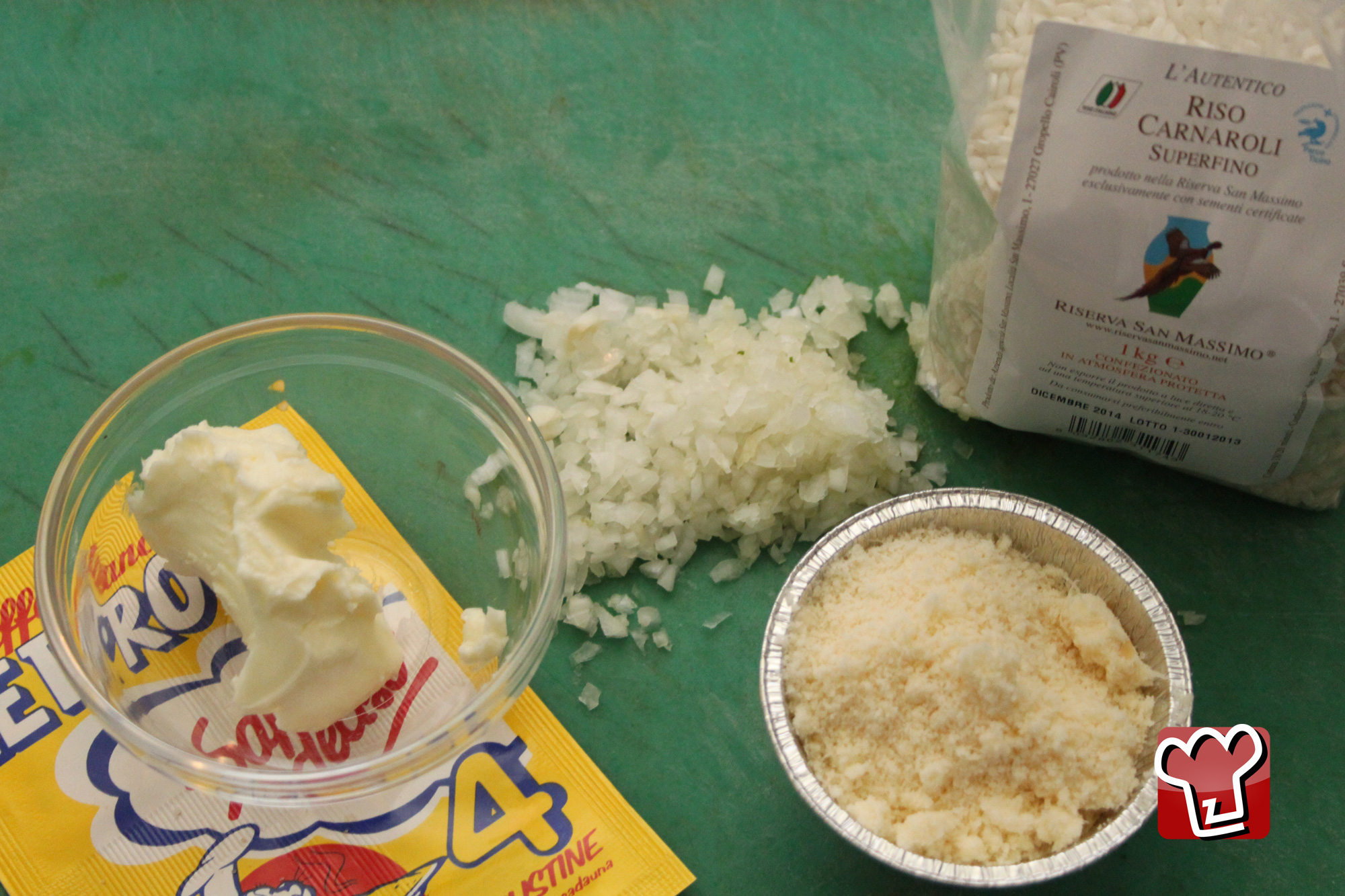
Put the bone marrow, the butter, the roast fat, and the finely chopped onion in a saucepan
|
|
View the step by step
|
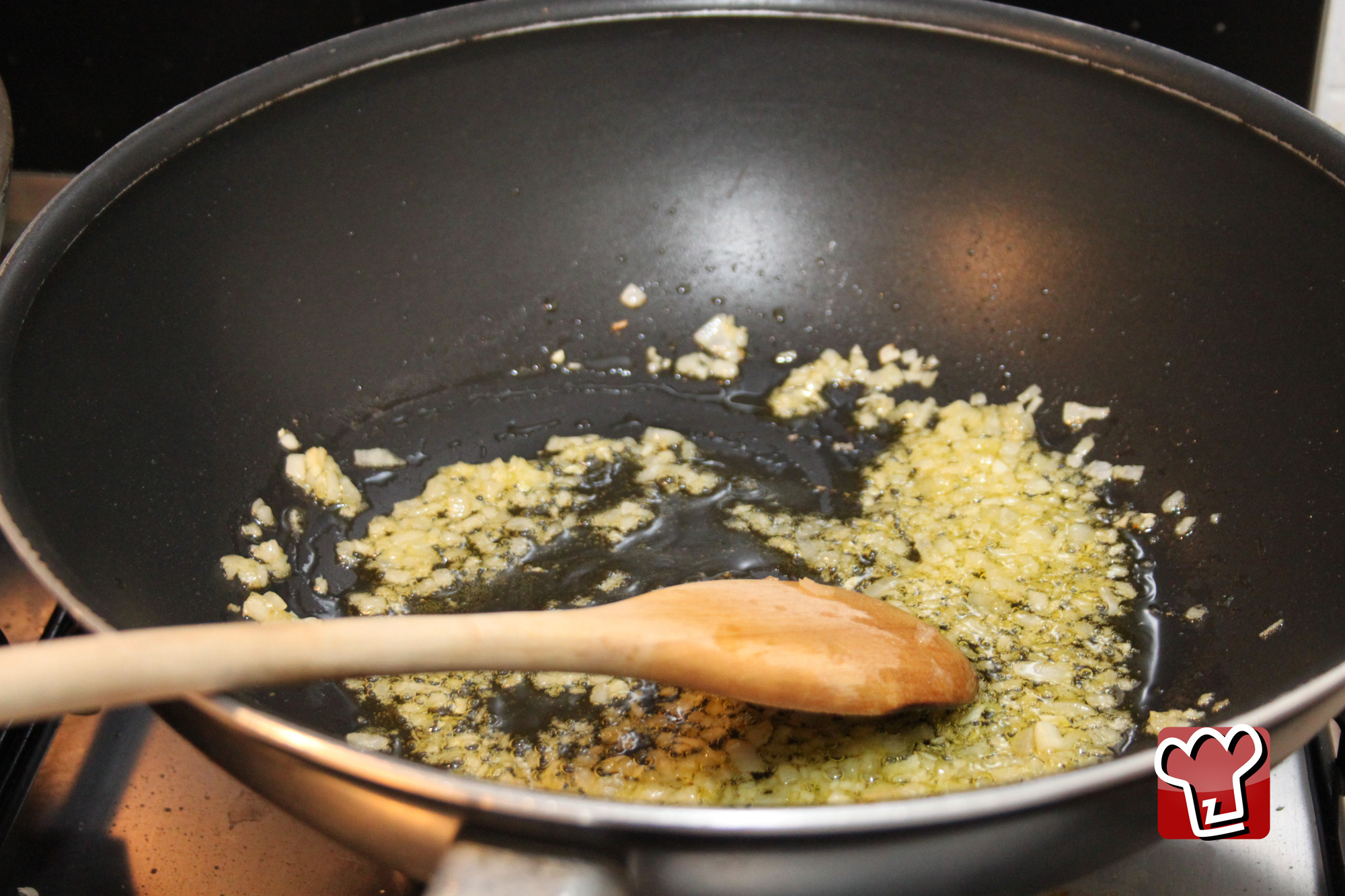
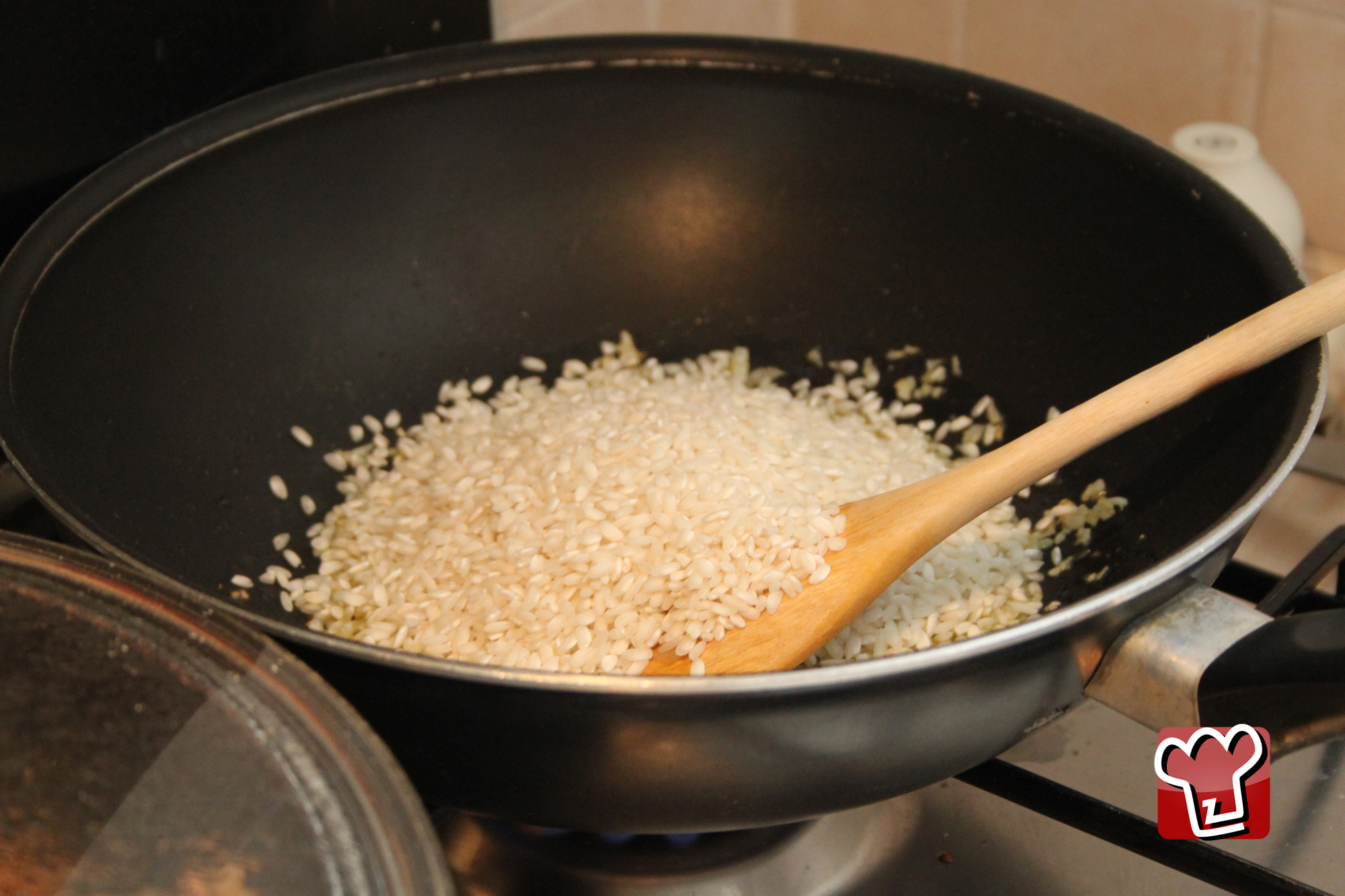
Simmer gently over low heat until the onions take on a golden colour. Add the rice and stir it well so that it can absorb the seasoning.
|
|
View the step by step
|
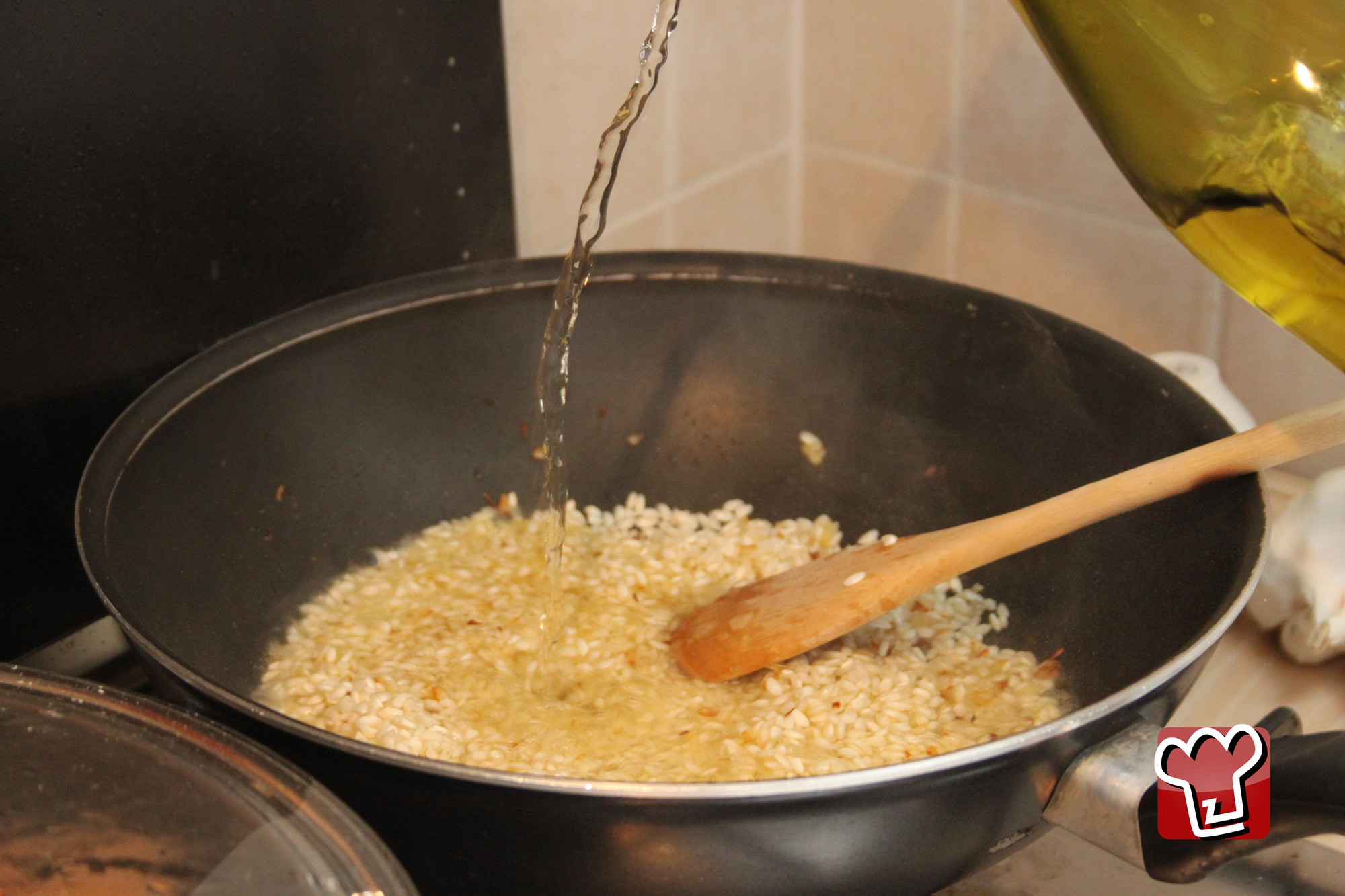
At this point, add the white wine, raise the heat, and reduce
|
|
View the step by step

|
Add the stock and stir with a wooden spoon. When two-thirds done, add the saffron strands
|
|
View the step by step

|
Cook until ready, adding the stock one ladle at a time
|
|
View the step by step

|
Two minutes before turning off the heat, whisk in some butter
|
|
View the step by step
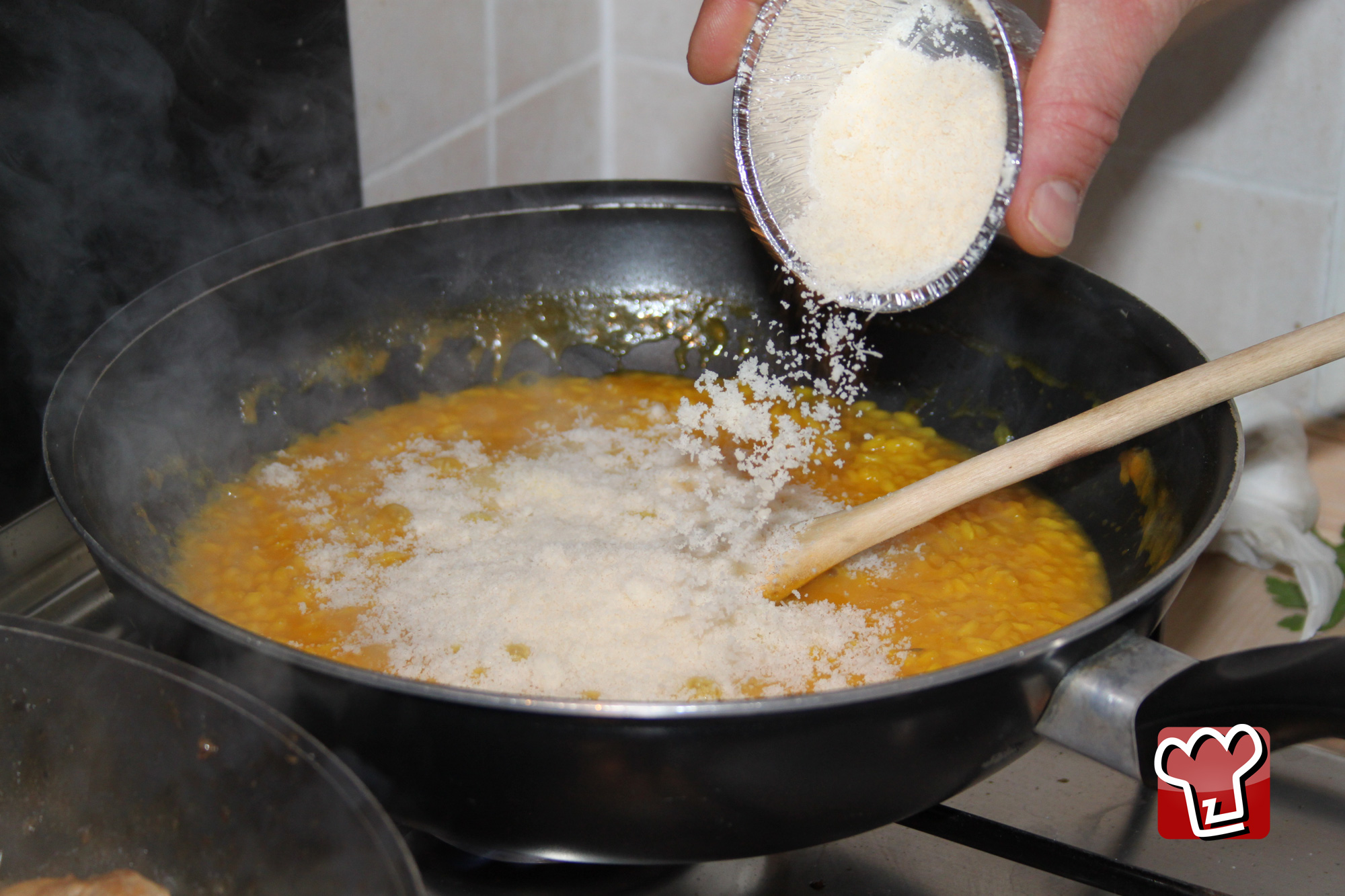
|
Add the Parmesan
|
|
View the step by step

|
Mix well
|
|
View the step by step

|
Plate up the risotto
|
|
View the step by step
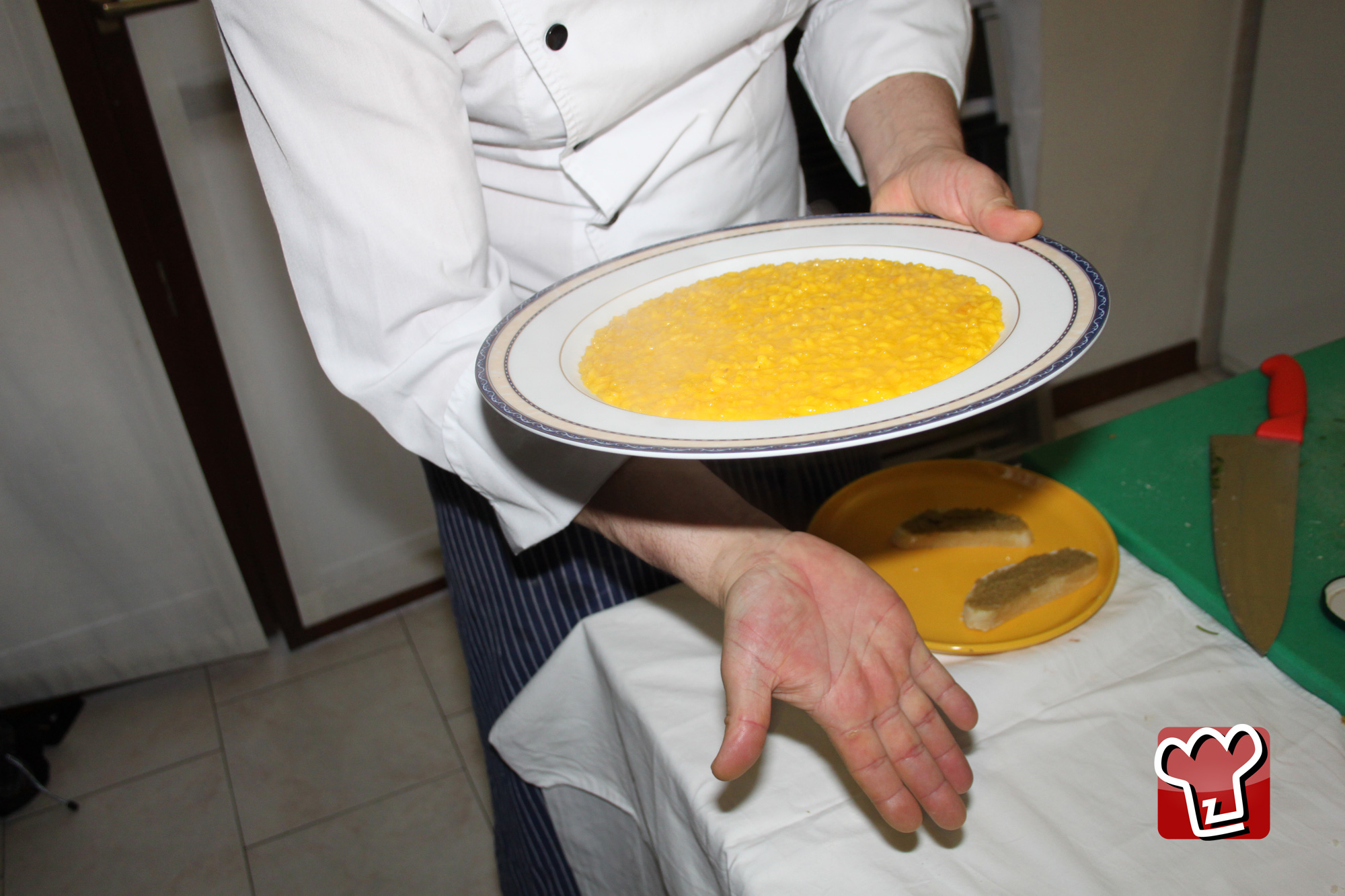
|
Spread the risotto by patting the underside of the plate: the texture should be creamy and smooth.
|
|
View the step by step
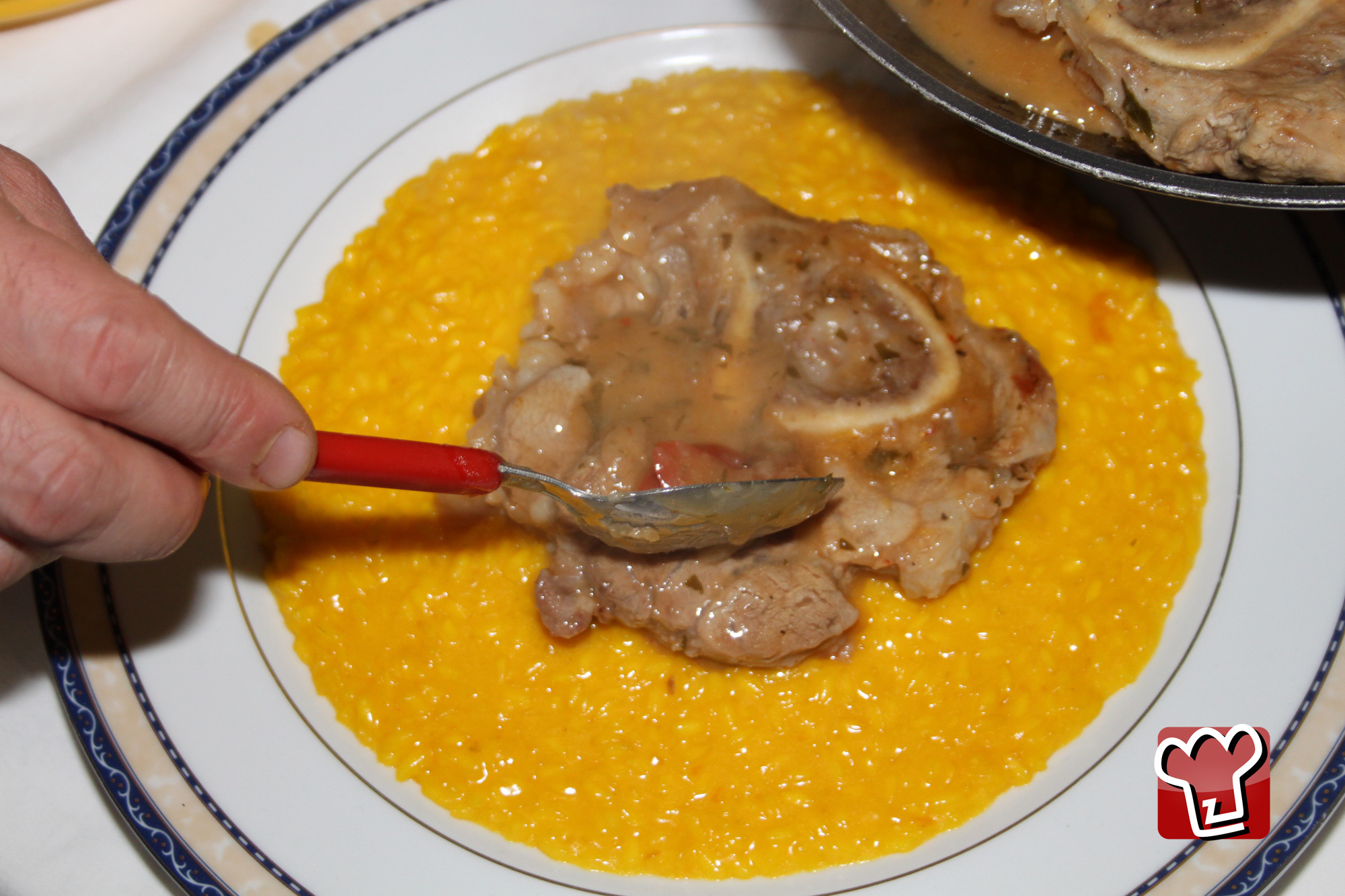
|
Serve with an excellent ‘Ossobuco alla Milanese’
|
Additional information
Milanese Risotto with Veal Osso Buco
A variant of the classic Milanese risotto is the one that includes veal osso buco, which enriches the dish with an intense flavor and a succulent texture. To prepare this version, start by browning the osso buco in a pan with butter and chopped onion until they are well golden. Then, you can proceed as in the traditional recipe, adding vialone rice and white wine, deglazing and stirring carefully. The slowly cooked meat will combine with the rice, creating a rich and enveloping dish. This preparation is ideal for a special dinner, where the Milanese risotto with osso buco becomes a main course rich in flavor and tradition.
Lombard Version of Milanese Risotto
Milanese risotto is a typical preparation from Lombardy, particularly from Milan. This regional version is characterized by the use of saffron, which gives the rice a golden color and an unmistakable aroma. The traditional recipe calls for the use of marrow and butter for a rich flavor, while the broth must be strictly homemade to enhance the taste of the risotto. Cooking is done slowly, constantly stirring to achieve a creamy consistency. Served with a sprinkle of grated Grana Padano, Milanese risotto represents a true tribute to Lombard cuisine, bringing the authentic flavors of tradition to the table.
Light Milanese Risotto without Butter
For those who wish to enjoy Milanese risotto in a lighter version, it can be prepared without butter, replacing it with a drizzle of extra virgin olive oil. This light variant maintains the flavor of the dish, thanks to the use of fresh, quality ingredients. To prepare it, start by sautéing the onion in oil, then add the rice and deglaze with white wine. Cooking continues with vegetable broth, stirring frequently to achieve the desired creaminess. Even without butter, light Milanese risotto is an excellent choice for those looking for a tasty but lighter dish, perfect for those following a balanced diet.
Benefits of Vialone Rice in Milanese Risotto
Vialone rice is the main ingredient in Milanese risotto and offers numerous nutritional benefits. This type of rice is rich in complex carbohydrates, which provide long-term energy, and it is easily digestible, making it suitable even for those with gastrointestinal issues. Additionally, vialone rice contains B vitamins, essential for energy metabolism. In terms of calories, a serving of Milanese risotto is around 300-400 calories, depending on the amount of butter and cheese used. Thanks to the presence of saffron, the dish also offers antioxidants, contributing to overall well-being.
Can Milanese Risotto be Frozen?
Many wonder if it is possible to freeze Milanese risotto. The answer is yes, but there are some important considerations to keep in mind. Before freezing it, it is advisable to let the risotto cool completely and store it in airtight containers. It is better to freeze the risotto without adding Grana Padano, which can alter the texture once thawed. When you decide to consume it, simply thaw it in the refrigerator and reheat it slowly, adding a bit of broth to restore creaminess. However, it is important to note that the quality of the risotto may not be the same as when it is fresh, so it is preferable to enjoy it freshly prepared.