Lemon jam
The pleasure of a leisurely breakfast or a healthy snack is not always commensurate with modern life and fast food culture, where everything is pre-packed and ready to use: but how could we give up a slice of homemade fresh bread spread with a lovely jam? Well, if you are lucky enough to have a garden in which you can grow citrus trees, then you'll know what a wonderful idea it is to capture the delicate and juicy essence of lemons by making jam. Thanks to the incredible nutritional properties of the lemon, and to its unique taste and its ability to give a little bit of a twist to any recipe, you will be able to enjoy healthy and nutritious breakfasts, elevenses or afternoon teas at any time of the year. And every time you open your lemon jam jars, you'll be surrounded by the magical aroma of your garden!
Ingredients
* approximate values per serving
Preparation
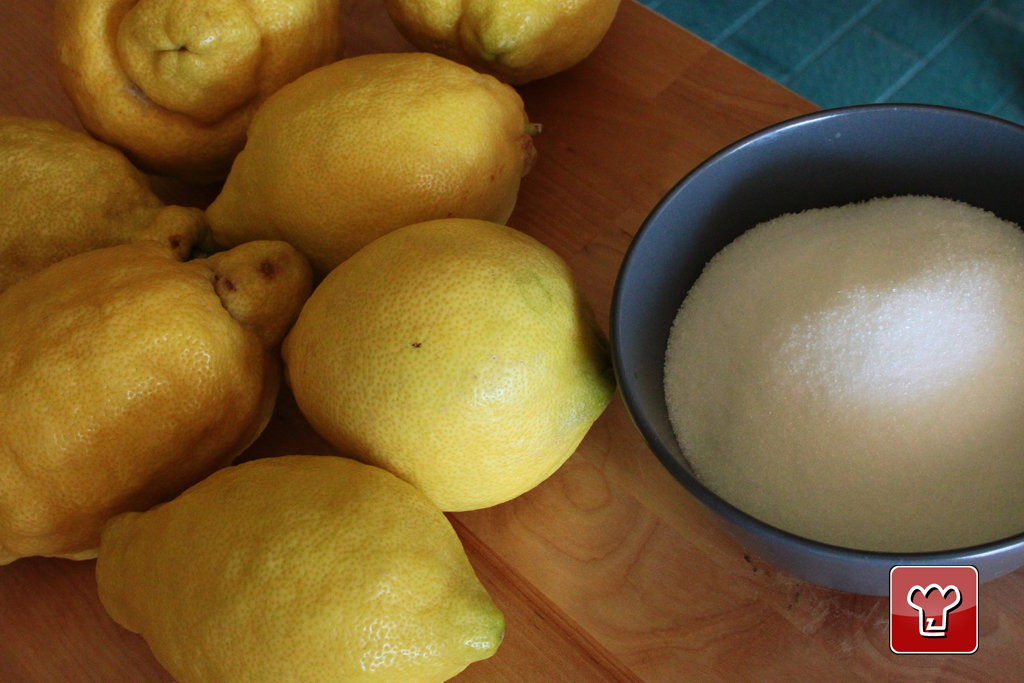
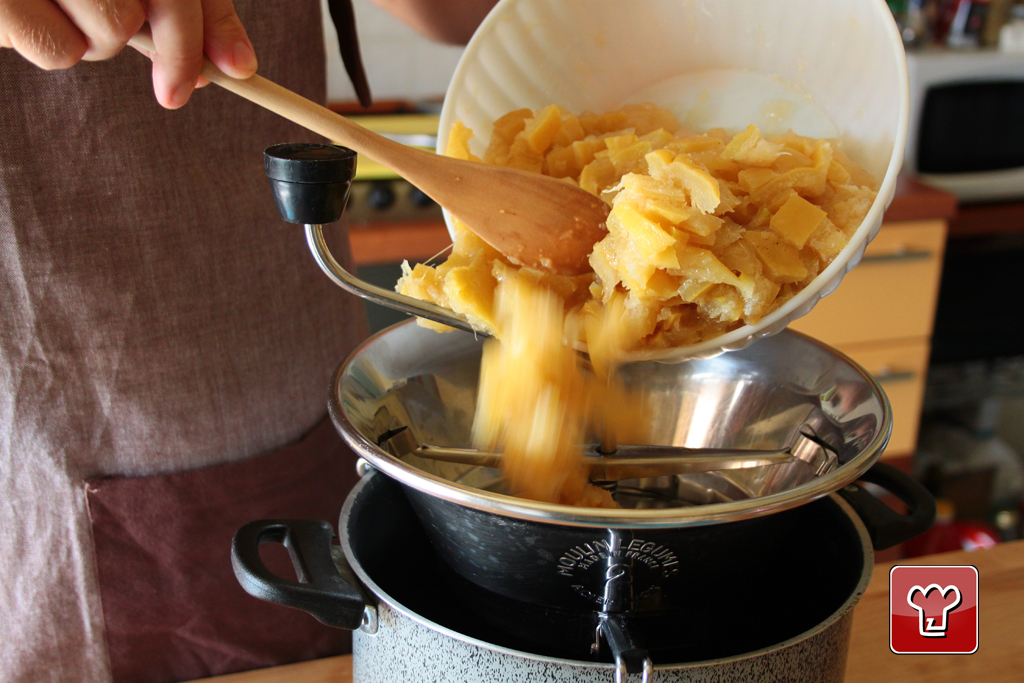
Wash the lemons (keep one aside), place them in a pan of boiling water and cook for 20 minutes, drain, change the water, bring it back to the boil, replace the lemons and cook for another 20 minutes. Do the same for a third time, then remove the lemons with a slotted spoon and retain the cooking water. Cut the lemons into chunks and pass them through a food mill with large holes in the disc; weigh the puree that results and put them in a saucepan with the same weight of sugar and one litre of the reserved cooking water. Put the pan on the heat and cook the jam for about 5 minutes, then add the uncooked reserved lemon, cut into pieces, and cook for another 10 minutes. Pour the hot jam into airtight jars, screw on their lids and let them rest until cool. Keep them in a cool place.
Step by step
|
View the step by step
|
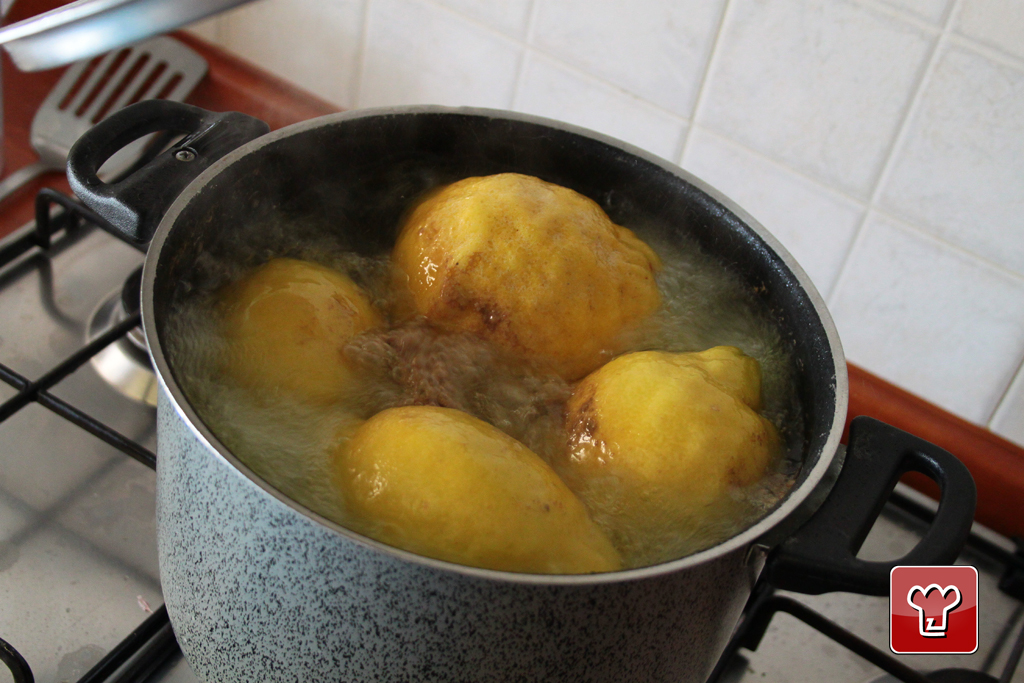
Place the lemons in a pan of boiling water and cook for 20 minutes, drain, change the water, bring it back to the boil, replace the lemons and cook for another 20 minutes. Do the same for a third time.
|
|
View the step by step
|
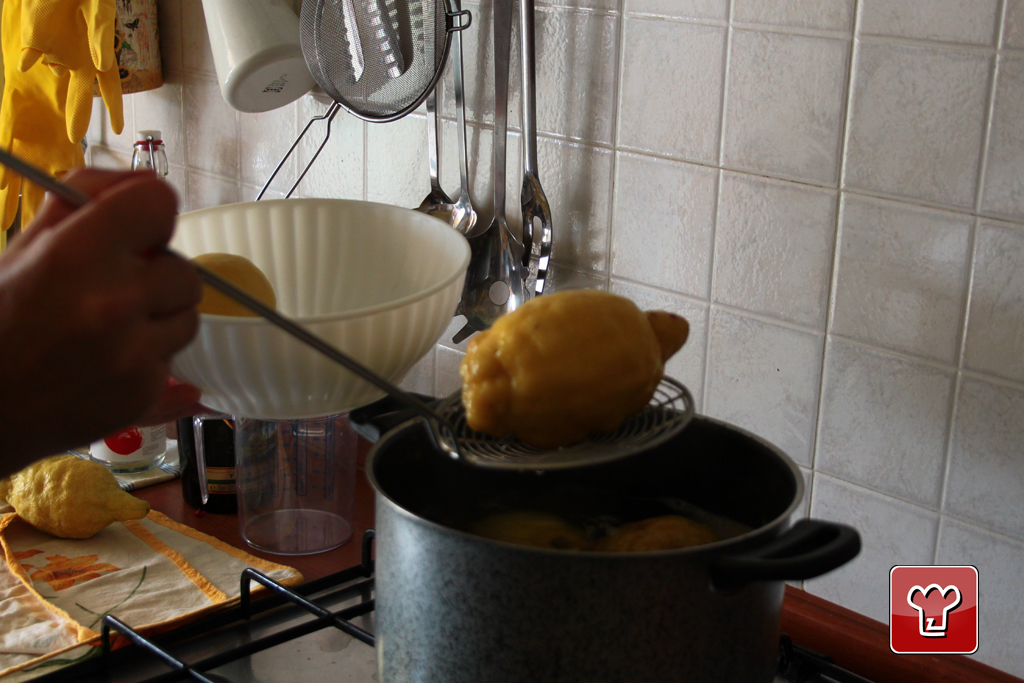
Drain the lemons of their cooking water and set the water to one side
|
|
View the step by step
|
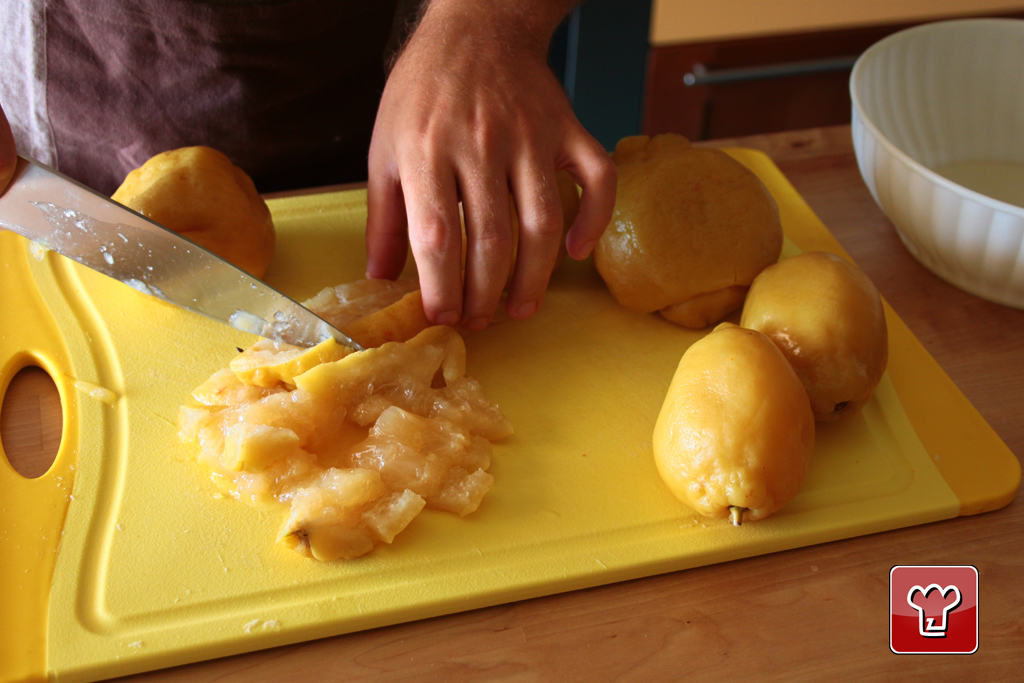
Cut the lemons into little pieces
|
|
View the step by step
|
Pass the lemons though a vegetable masher
|
|
View the step by step
|
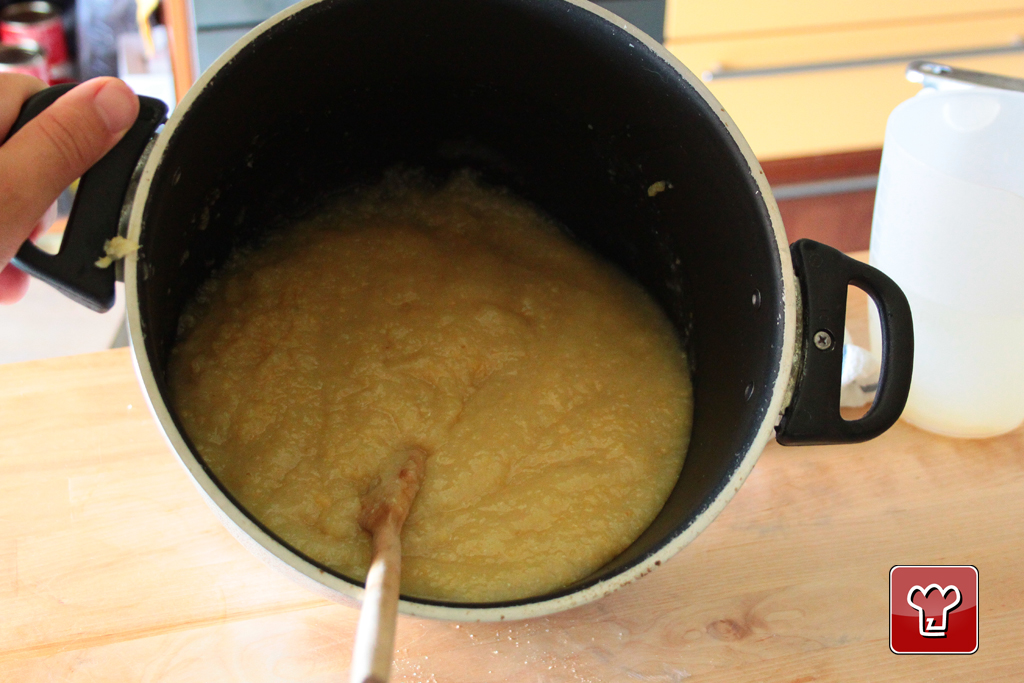
Here is the lemon pulp after passing through the masher
|
|
View the step by step
|
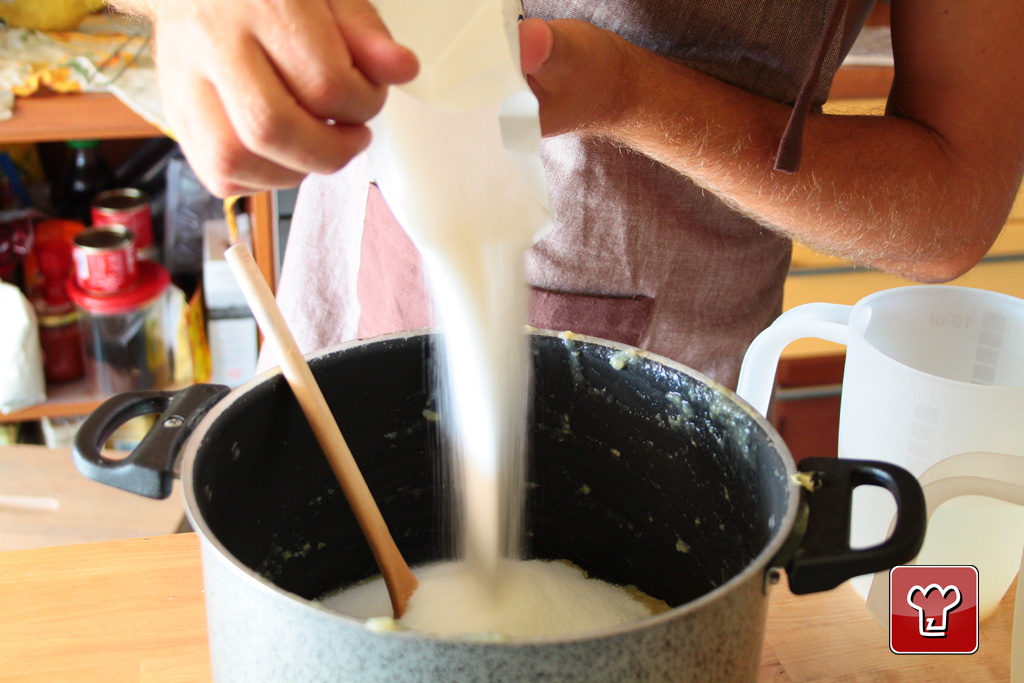
Add the sugar to the lemon pulp
|
|
View the step by step
|
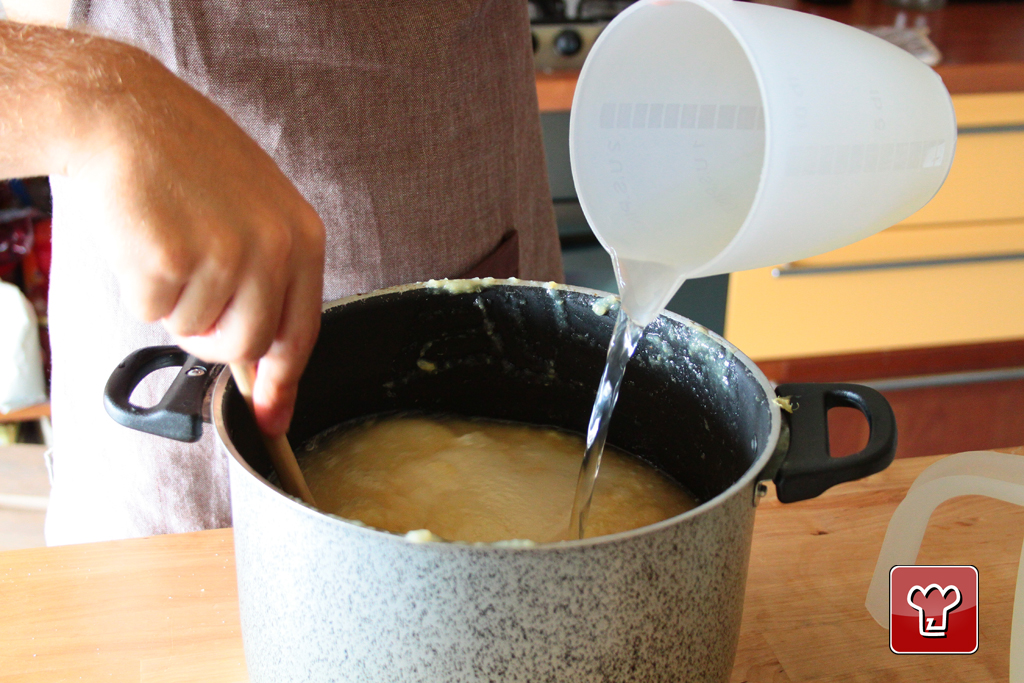
Add the cooking water to the pulp
|
|
View the step by step
|
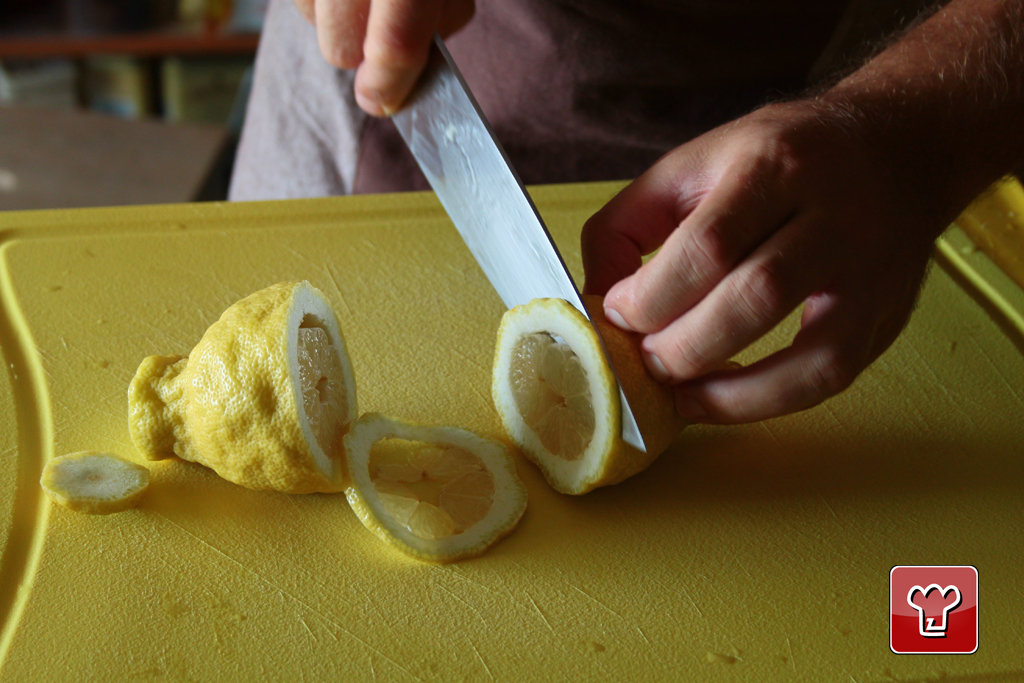
Slice the fresh lemon into not-too-thick slices
|
|
View the step by step
|
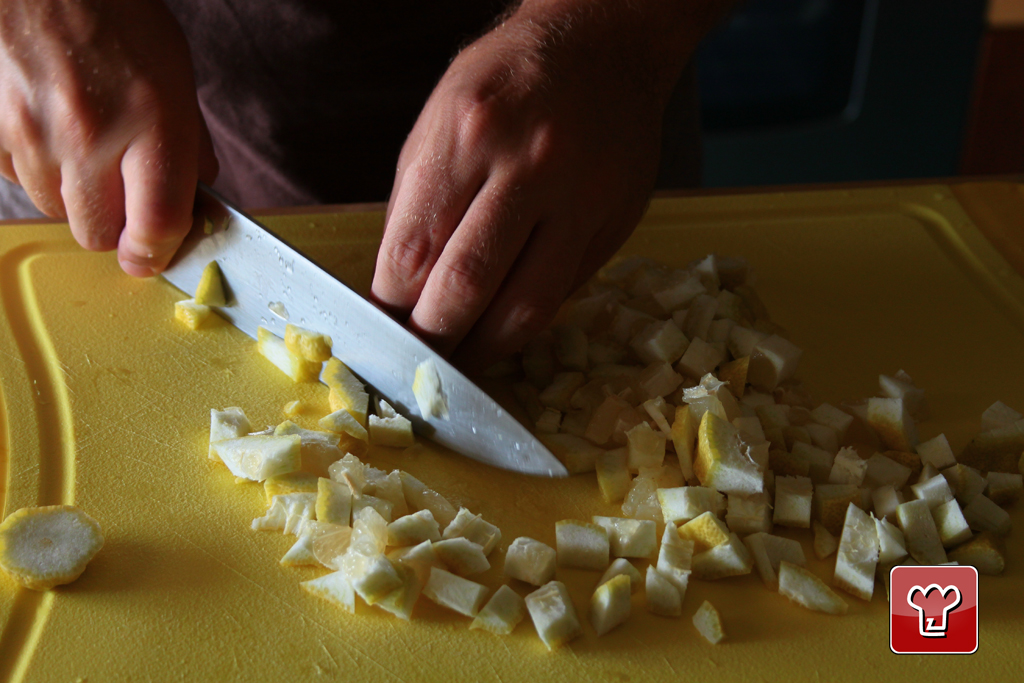
Dice the fresh lemon
|
|
View the step by step
|
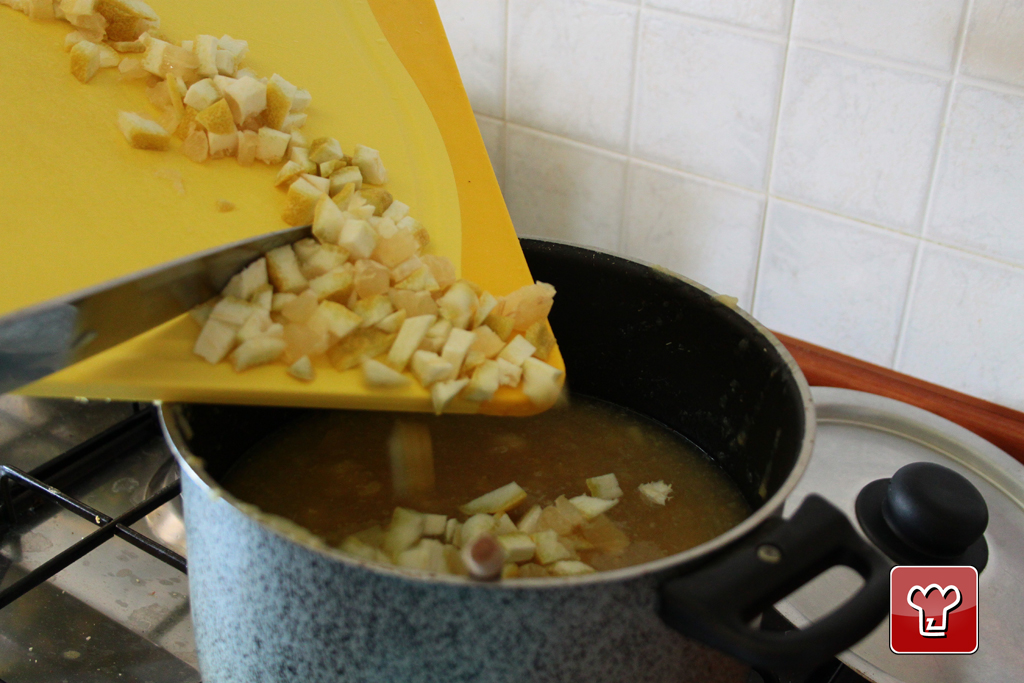
Cook the lemon jam and add the fresh lemon
|
|
View the step by step
|
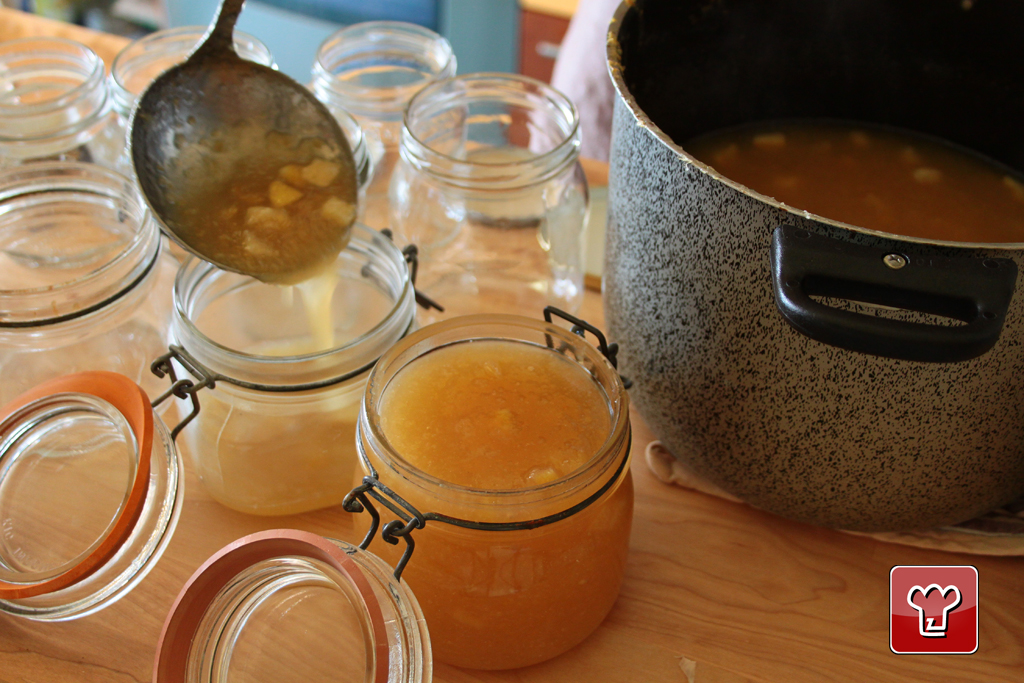
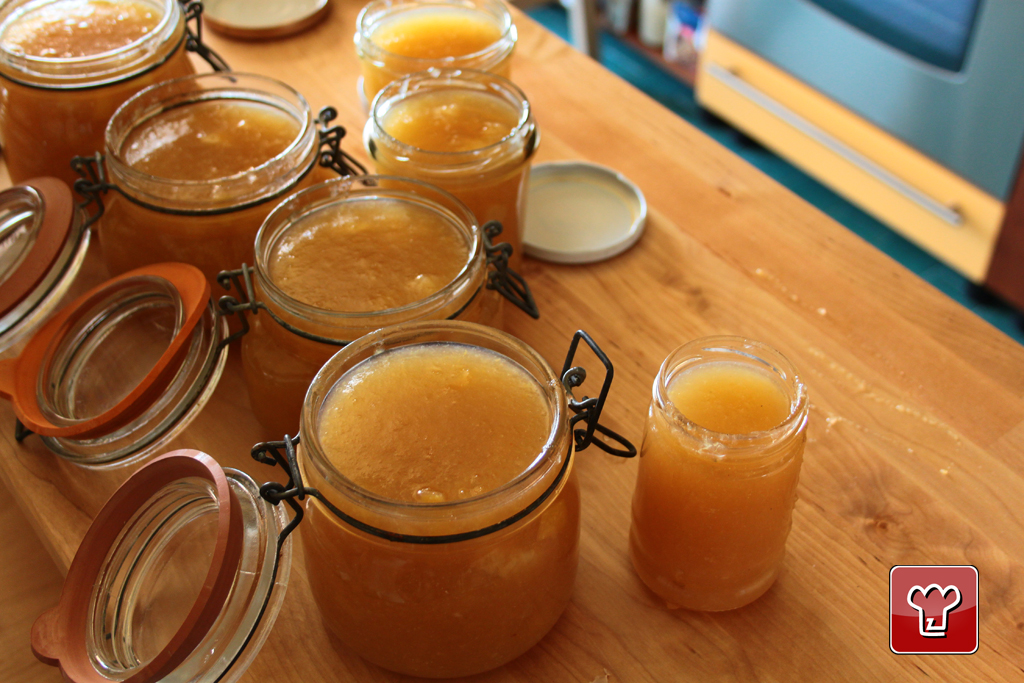
Add the boiling lemon jam to sterilised jars
|
|
View the step by step
|
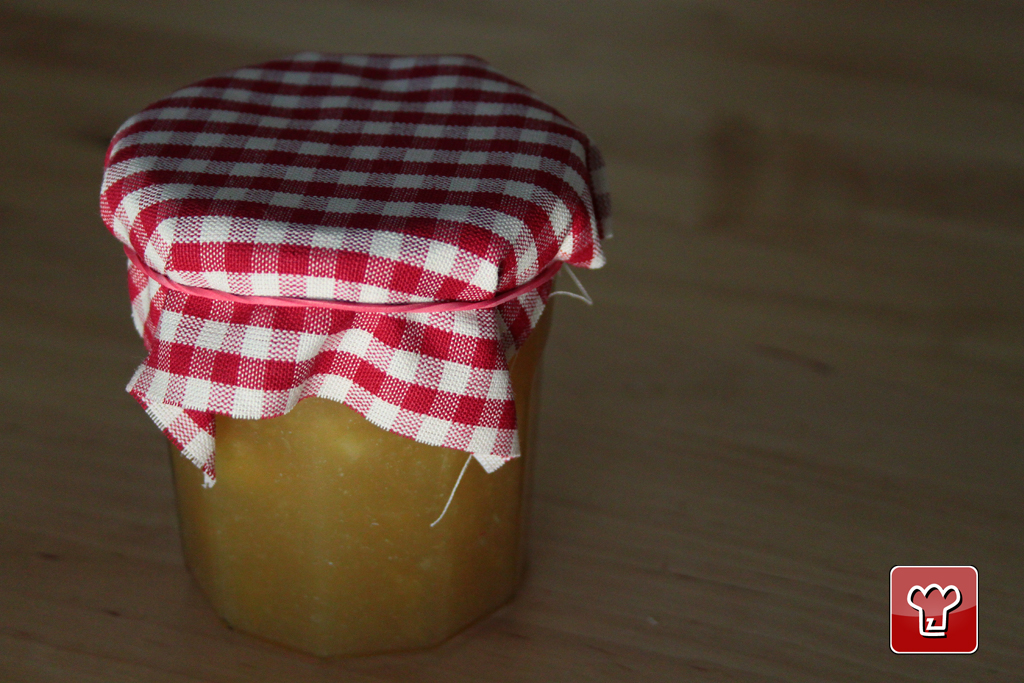
Leave to cool for a few minutes and then replace their lids
|
|
View the step by step
|
This lovely lemon jam is ready
|
Additional information
Lemon Marmalade with Brown Sugar
A delicious variant of the classic lemon marmalade is the one made with brown sugar. This ingredient not only gives a more intense and caramelized flavor but also lends a darker and more attractive color to the marmalade. To make it, follow the traditional procedure, substituting white sugar with an equal amount of brown sugar. The sweetness of this sugar pairs perfectly with the acidity of the lemons, creating a balance of flavors that enriches your breakfasts or snacks. You can use this marmalade to fill tarts, accompany fresh cheeses, or simply spread it on a slice of toasted bread. Lemon marmalade with brown sugar represents an excellent alternative for those seeking a bolder and more authentic flavor.
Sicilian Lemon Marmalade
Sicilian lemon marmalade is a preparation that enhances the fragrance and flavor of the lemons typical of this region. To make this variant, it is recommended to use Sicilian lemons, known for their freshness and aromatic qualities. The procedure remains similar to the traditional one, but it is important to pay particular attention to the quality of the citrus fruits. The lemons should be organic to avoid pesticide residues and ensure an authentic flavor. This marmalade stands out for its consistency and intense aroma, perfect for use as a condiment for desserts or in combination with savory dishes, such as lemon chicken. With a simple preparation and quality ingredients, Sicilian lemon marmalade brings a piece of Sicilian culinary tradition to the table.
Light Lemon Marmalade without Sugar
For those who desire a lighter version of lemon marmalade, it is possible to prepare it without sugar, using natural sweeteners like honey or stevia. This light variant retains the benefits of lemons while reducing caloric intake. To prepare it, follow the classic procedure, but substitute the sugar with the chosen sweetener, adjusting the amounts according to your taste. Light lemon marmalade is ideal for those on a low-calorie diet or for those who wish to limit their sugar intake. Despite the reduction in sugar, the final result will still be a fragrant and tasty marmalade, perfect for spreading on toasted bread or for use in sweet and savory recipes.
Lemon Marmalade: Benefits and Nutritional Values
Lemons, the main ingredient of lemon marmalade, are rich in vitamin C, antioxidants, and fiber. These nutrients help strengthen the immune system, promote digestion, and maintain healthy skin. Additionally, lemons have purifying properties and help maintain the body's water balance. A serving of lemon marmalade (about 20 grams) contains approximately 50 calories, depending on the amount of sugar used. By choosing variants with less sugar or natural sweeteners, it is possible to further reduce caloric intake, making this delicious spreadable product perfect even for those wishing to maintain a balanced diet.
Can Lemon Marmalade be Frozen?
Yes, lemon marmalade can be frozen without any problems. To do this, it is advisable to use airtight containers or food bags, making sure to leave some space for the product to expand during freezing. Lemon marmalade can be stored in the freezer for several months. When you wish to use it, simply let it thaw in the refrigerator or at room temperature. This way, you can enjoy the freshness of the marmalade even in the months when fresh lemons are not available. Freezing marmalade is a useful practice to avoid waste and to always have a delicious condiment available for your recipes.