Diced beef stew with Polenta
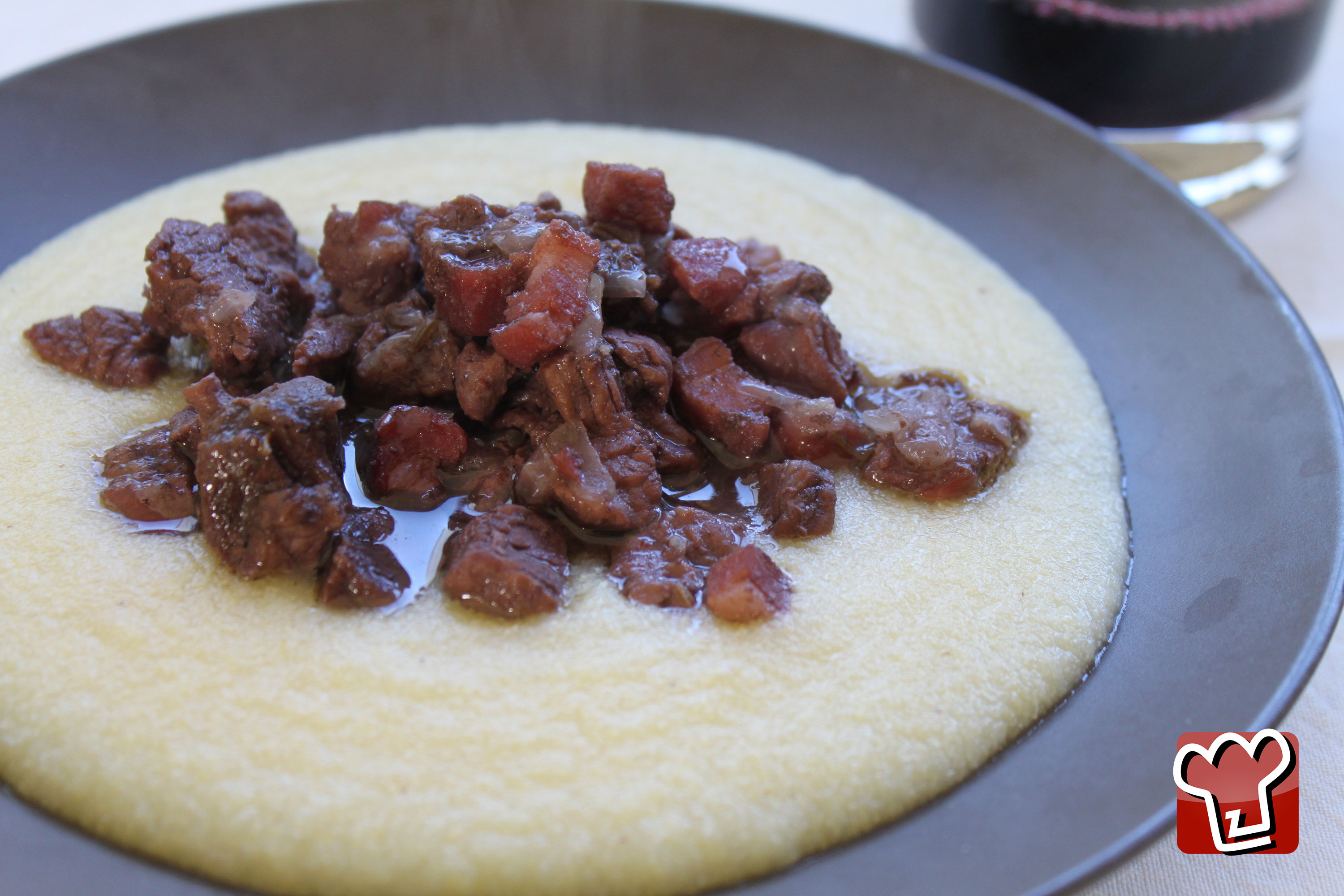
Diced beef stew ‘Bruscitt’ is a meat dish from Busto Arsizio in Lombardy northern Italy: it is a sauce made from coarsely ground minced beef, cooked in red wine and flavoured with fennel seeds. ‘Bruscitti’ are great if served with a coarse polenta, but if you don’t like coarse polenta you can opt for a finer grained polenta, or mashed potatoes.
Ingredients
* approximate values per serving
Preparation
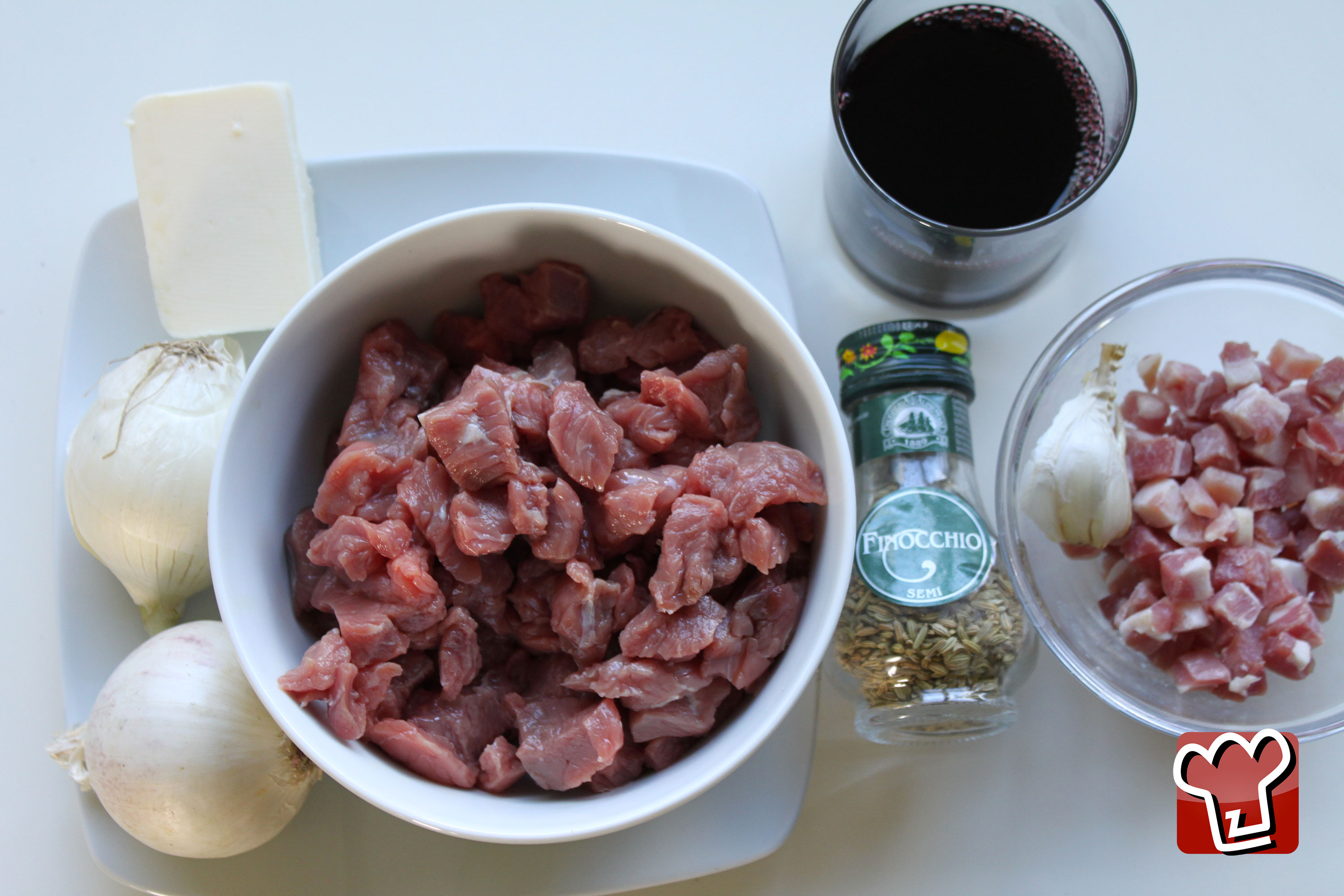
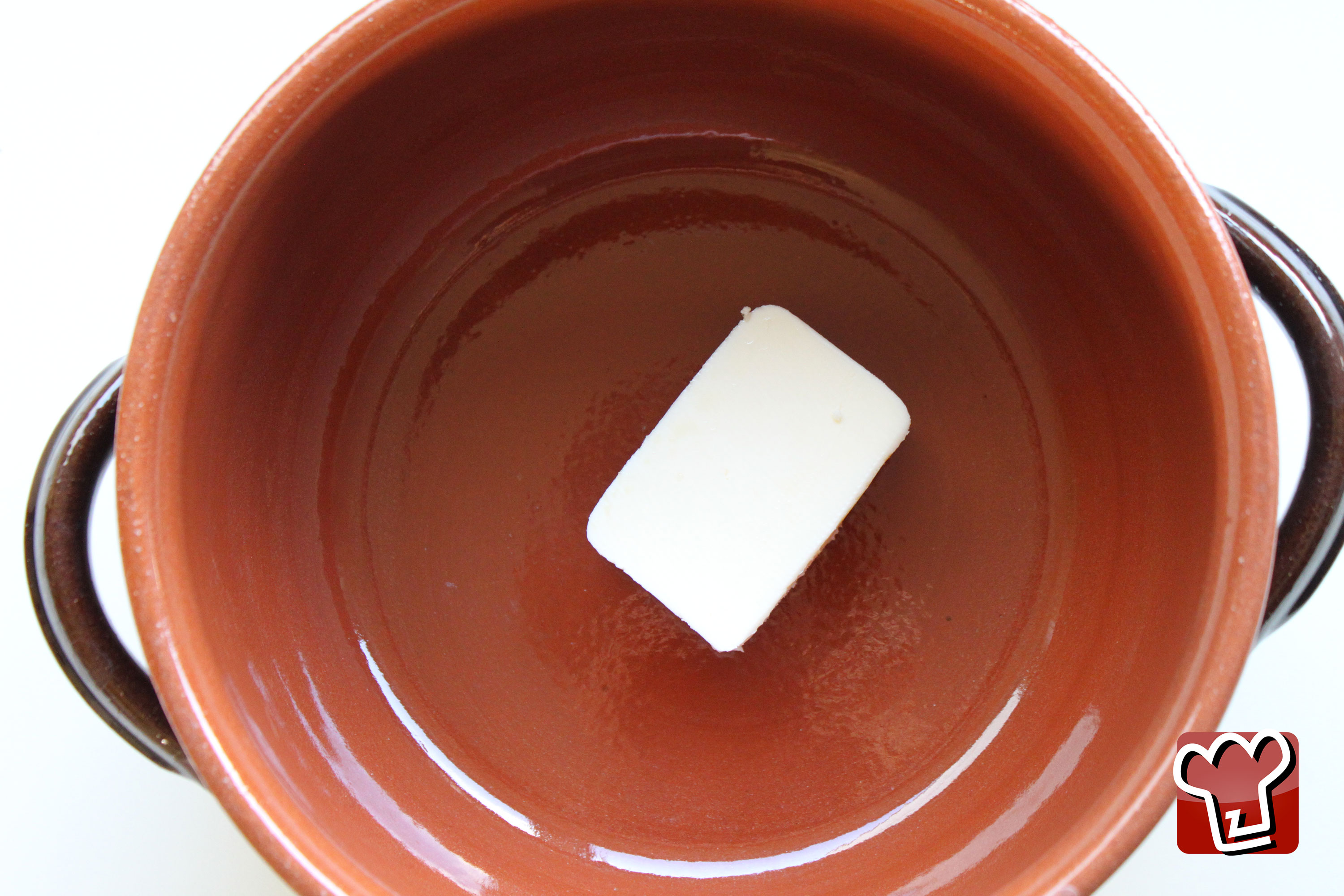
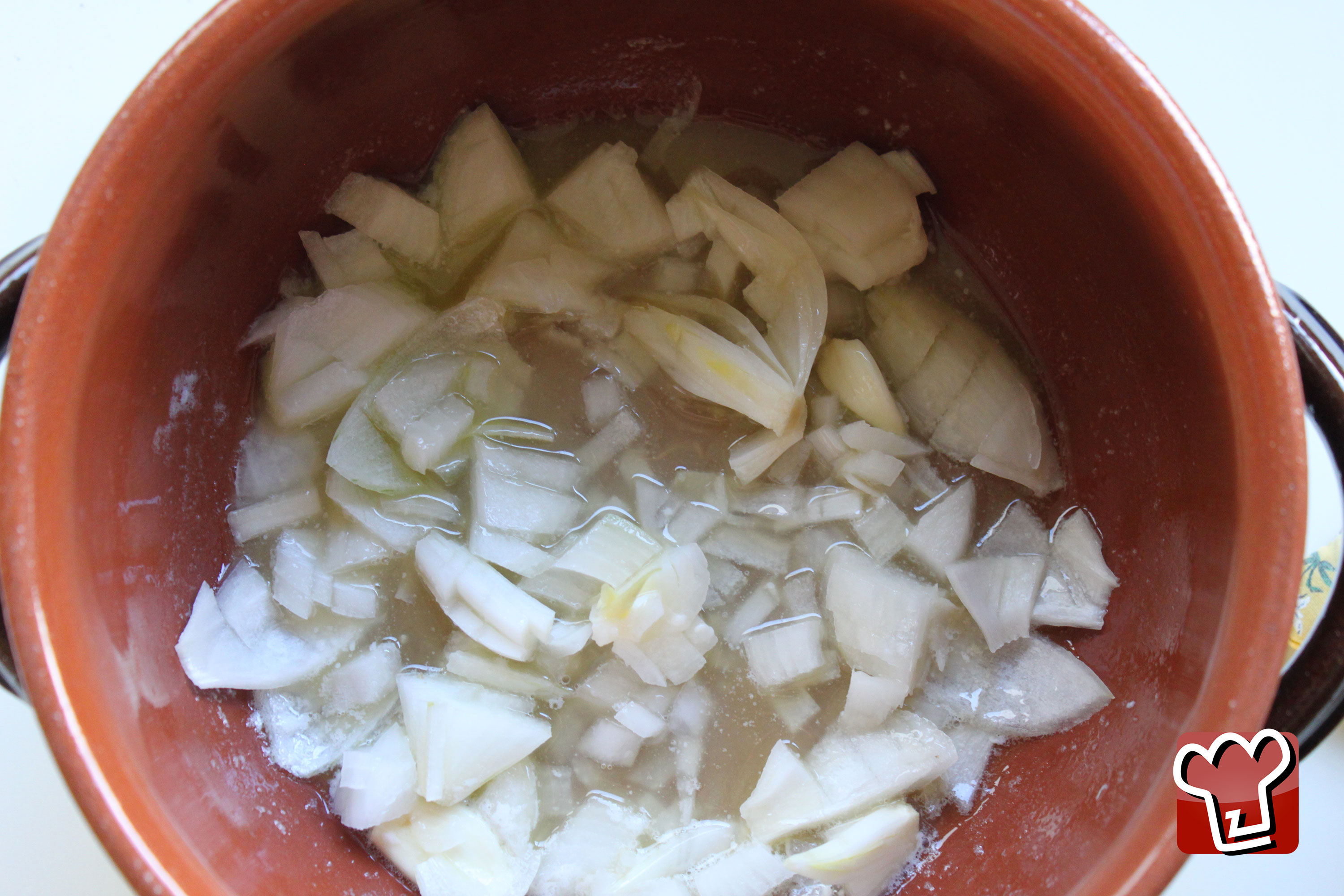
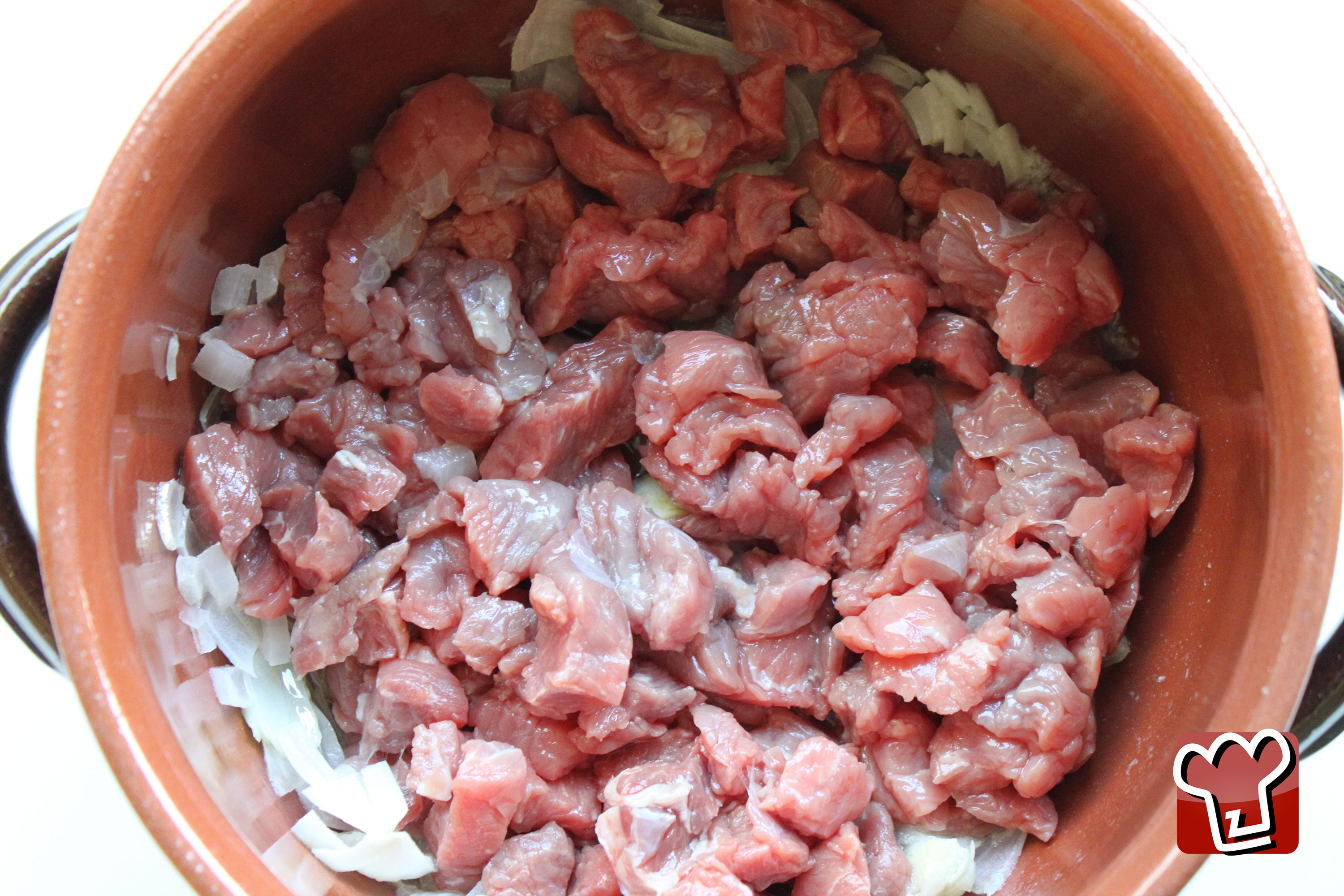
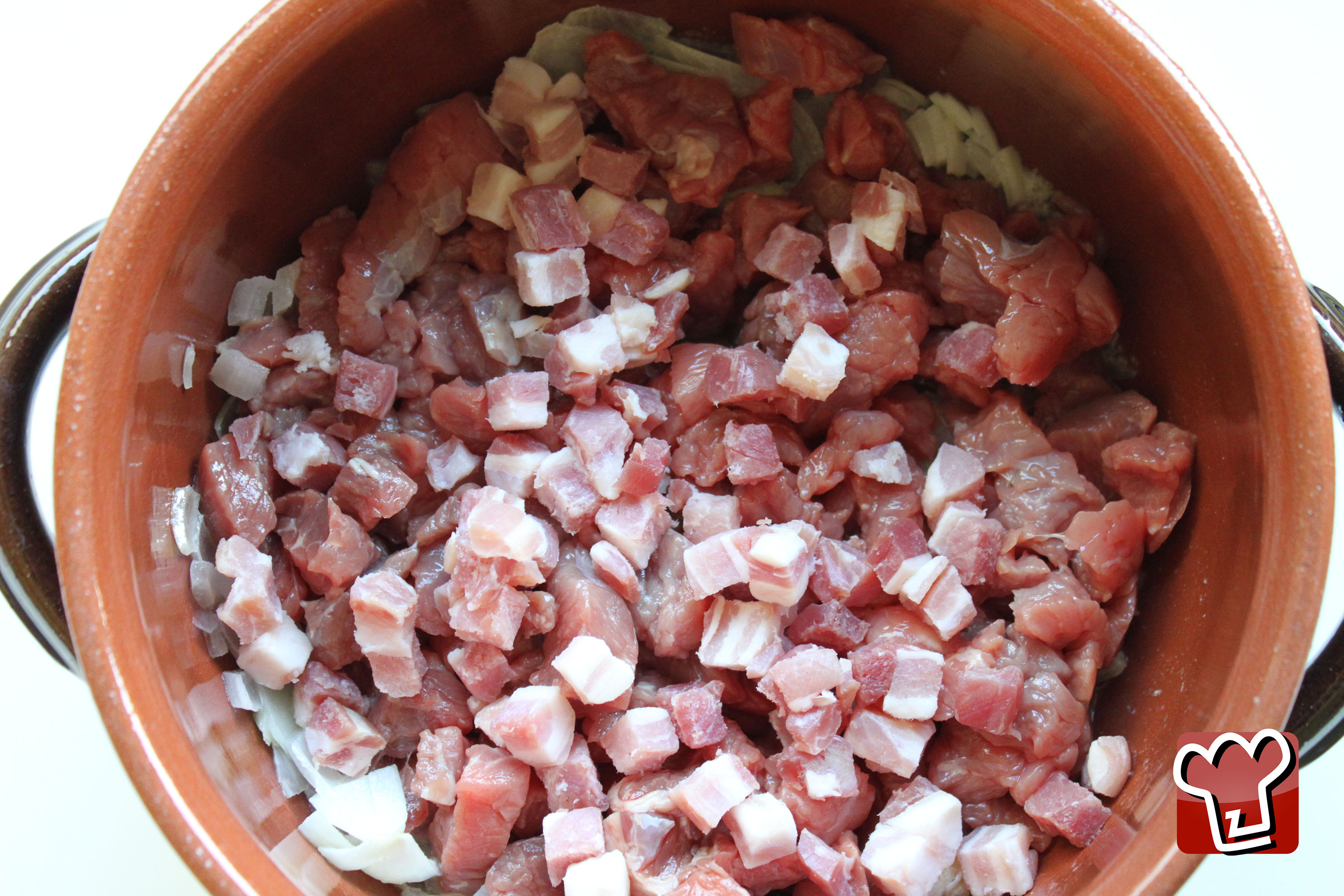
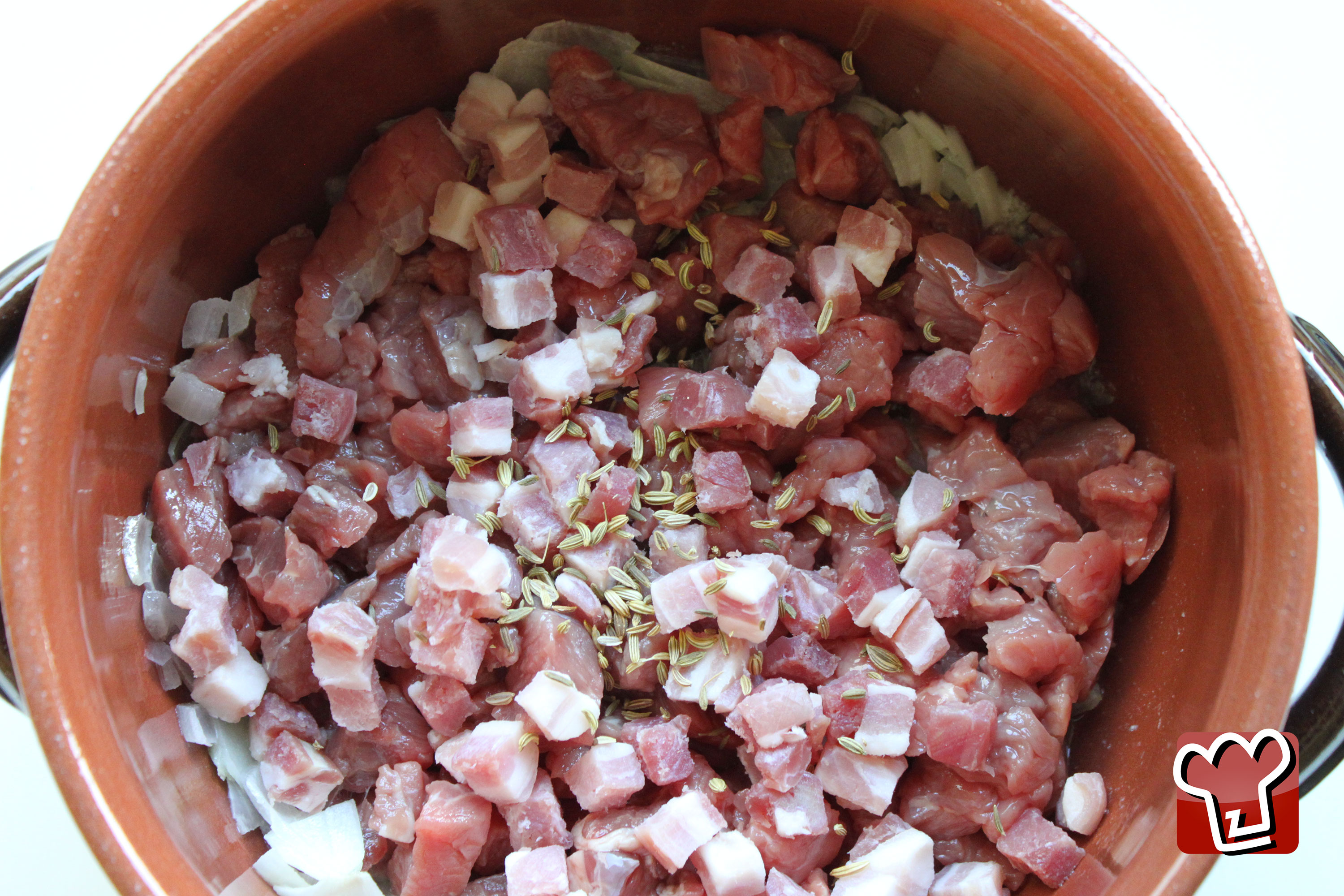
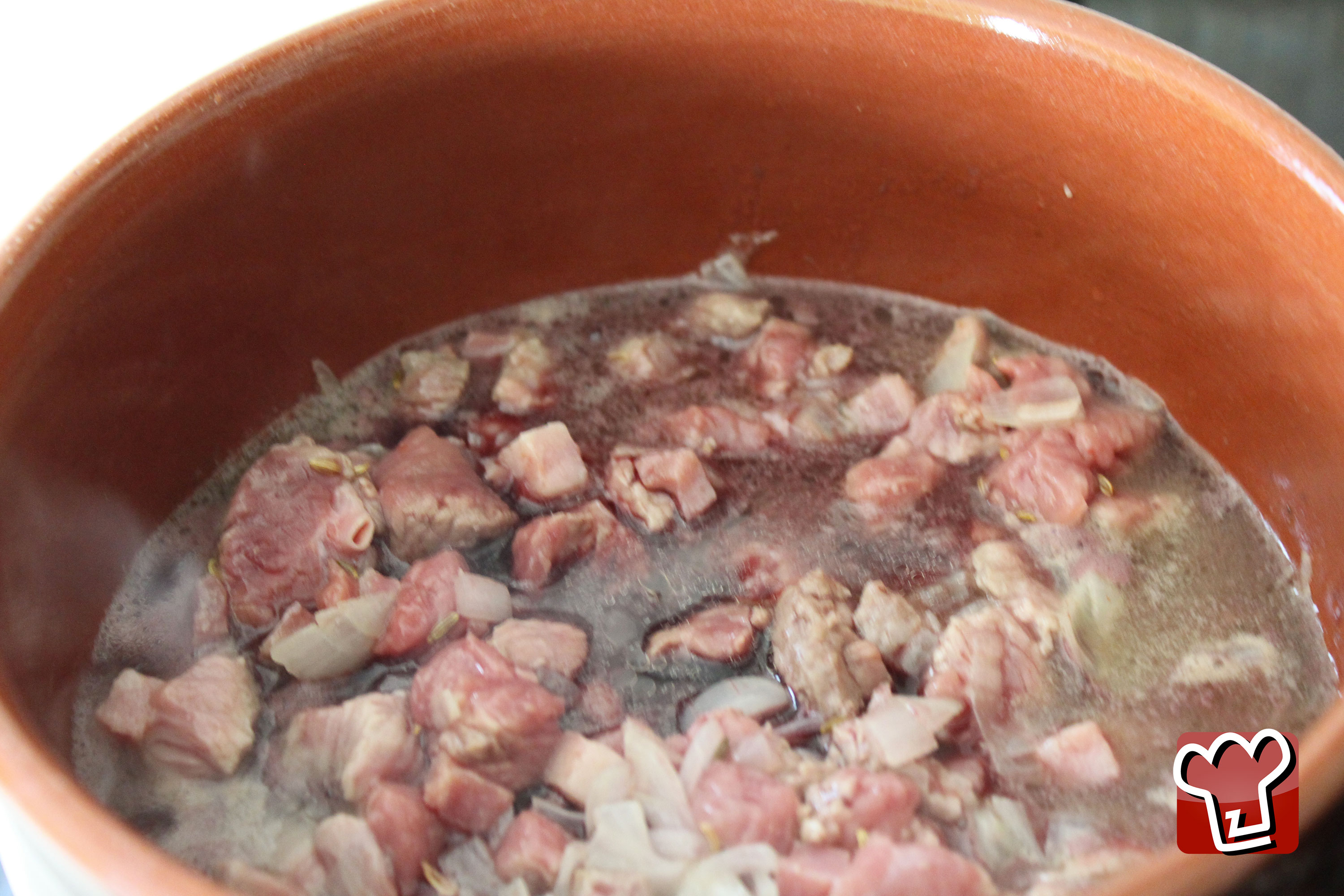
Cut the meat into chunks and then, piece by piece, cut it again into small pea-sized cubes. Melt the butter in a large saucepan, then add the garlic and chopped onion. When the onion is softened, add the pieces of meat, pancetta and fennel seeds. Let it cook until the flavours are mingled and adjust the salt, then add the red wine. Let the wine reduce, then cover the pan and cook until well done. At the end of the cooking, the meat and sauce must be sufficiently liquid to accompany some polenta.
Step by step
|
View the step by step
|
Melt the butter in a large saucepan
|
|
View the step by step
|
Fry the onion and garlic in the butter
|
|
View the step by step
|
Add the meat
|
|
View the step by step
|
Add the pancetta
|
|
View the step by step
|
Add the fennel seeds and adjust for salt
|
|
View the step by step
|
Add the red wine
|
|
View the step by step
|
Serve with polenta or mashed potato
|
Additional information
Bruscitt di Busto Arsizio with pancetta and onions
One of the tastiest variations of Bruscitt di Busto Arsizio is the one that includes pancetta and onions. This addition not only enriches the dish with flavors but also gives it a more substantial and enveloping texture. The pancetta, with its smoky flavor, pairs perfectly with the beef, while the slowly cooked onions add sweetness and a touch of moisture to the preparation. To achieve the best result, it is advisable to sauté the pancetta together with the onions before adding the meat, so that the fats melt and flavor the entire dish. Slow cooking remains essential to ensure tenderness and flavor. Try this variation for a family Sunday lunch; it will be a guaranteed success!
Bruscitt di Busto Arsizio in the Lombard style
Bruscitt di Busto Arsizio is a typical dish of Lombard tradition, but it can also be prepared in various regional variations. For example, the Lombard version uses typical local ingredients, such as a well-structured red wine, which enriches the dish with intense aromas. Additionally, local spices like rosemary or sage can be added for an extra aromatic touch. The cooking is done slowly, allowing the meat to absorb all the flavors of the ingredients. This dish is ideal for winter lunches, to be served with polenta or mashed potatoes for a perfect pairing. A taste of Lombardy right at your home!
Bruscitt di Busto Arsizio light without butter
For those who want a lighter version of Bruscitt di Busto Arsizio, it can be prepared without butter, replacing it with a drizzle of extra virgin olive oil. This light version retains the flavors of the traditional dish but reduces the caloric and fat content. Olive oil, besides being lighter, also provides health benefits due to its antioxidant properties. For further lightening, lean cuts of meat, such as tenderloin or round, can be used. This version is perfect for those following a balanced diet but who do not want to give up on taste. Serve the light Bruscitt with fresh sides like salads or grilled vegetables for a complete and healthy meal.
Bruscitt di Busto Arsizio: benefits and nutritional values
Bruscitt di Busto Arsizio, prepared with beef, is a valuable source of high biological value proteins, essential for the growth and maintenance of muscle tissues. Beef is also rich in iron, which is fundamental for the production of red blood cells and for the transport of oxygen in our body. Additionally, the fennel seeds used in the recipe provide digestive and anti-inflammatory benefits. On average, a serving of Bruscitt contains about 350-400 calories, depending on the amount of butter and other ingredients used. Enjoying this dish in moderation can fit into a balanced diet, especially when accompanied by light sides.
Can Bruscitt di Busto Arsizio be frozen?
The answer is yes, it is possible to freeze Bruscitt di Busto Arsizio. This dish, once cooked and cooled, freezes well, allowing you to preserve its flavors and tenderness. It is advisable to portion it into airtight containers or food bags, ensuring to remove excess air to avoid freezer burn. When you want to consume it, simply thaw it in the refrigerator overnight and then heat it slowly in a pan or oven. This way, you can enjoy a traditional dish even on the busiest days without compromising quality. Be sure to consume it within 2-3 months for the best taste experience.