‘Danube’ dessert
The ‘Danube’ is a particularly versatile sweet brioche, great for afternoon tea, for breakfast or for your children’s mid-morning snack at school. It takes a bit of time, but is not too laborious: rather, you'll just need a little patience because of the time taken for it to rise. As for the filling, use your imagination: we opted for the apricot jam, but you can also use Italian pastry custard, chocolate or other jam flavours.
Ingredients
Sweet Danube: A Journey of Flavor
The sweetness of the Danube is expressed through a generous filling of artisanal jam from Puglia, crafted with carefully selected fruits. Its soft texture and enveloping aroma make this dessert a delight to share, perfect for a family snack or a moment of indulgence.
* approximate values per serving
Preparation
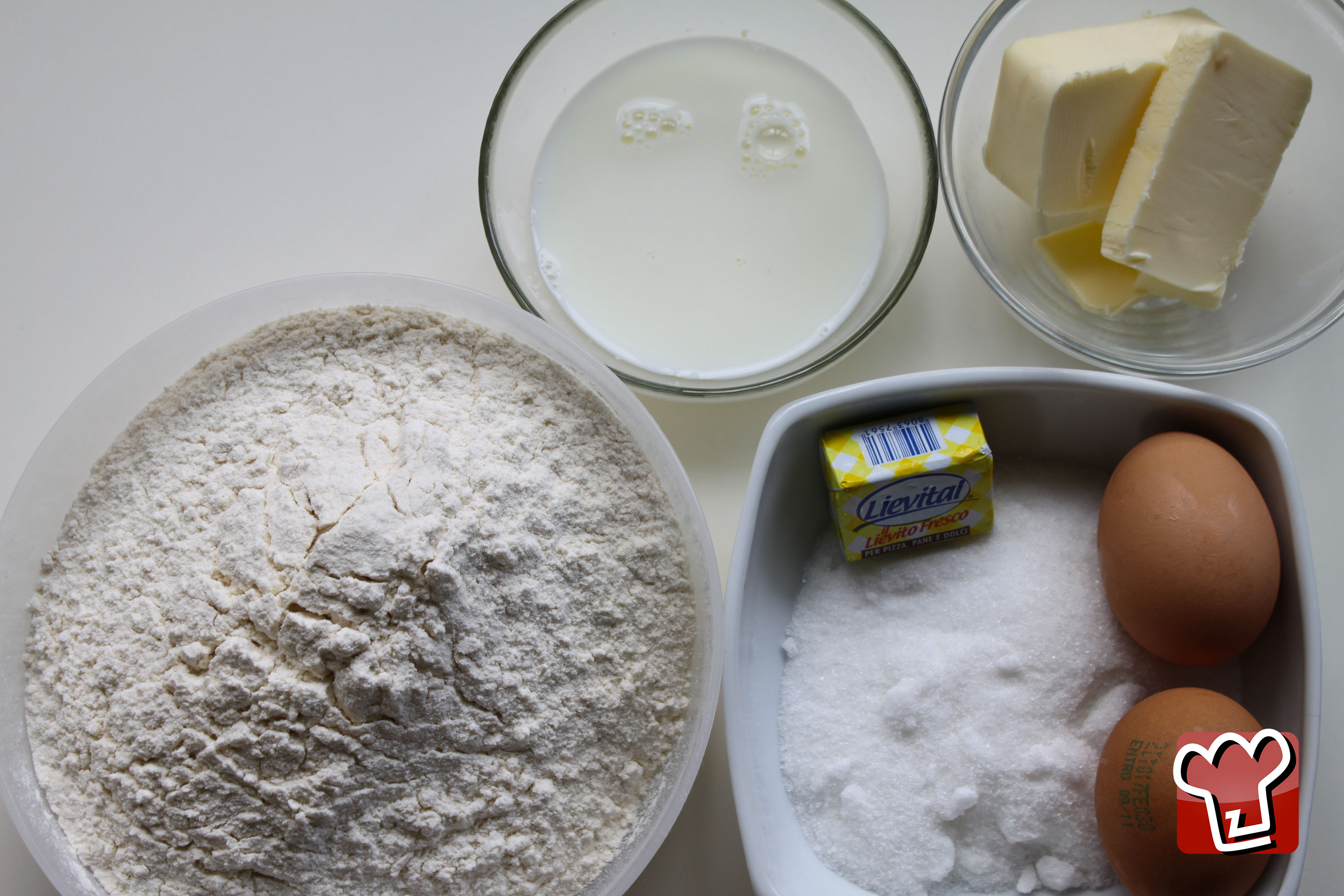
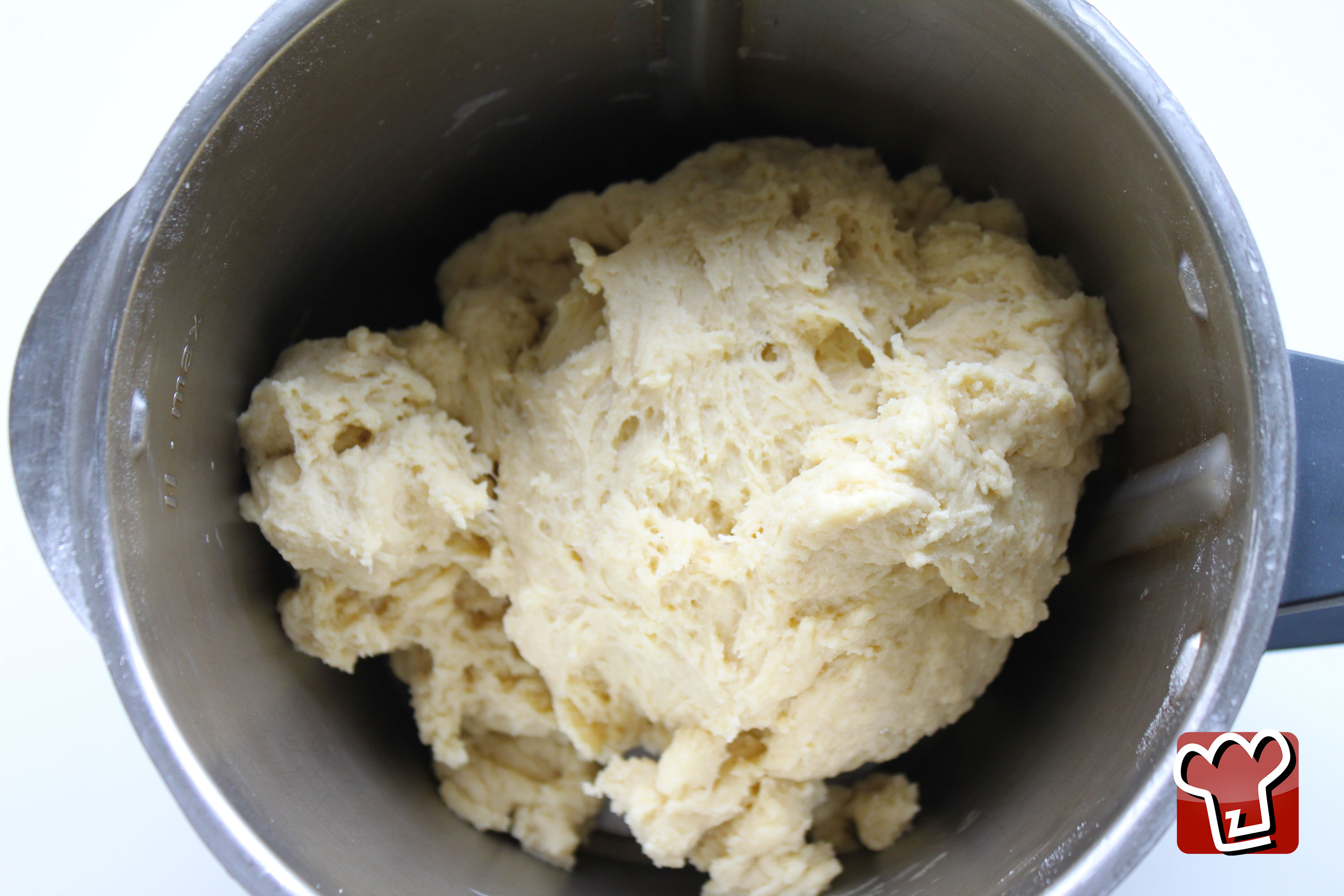
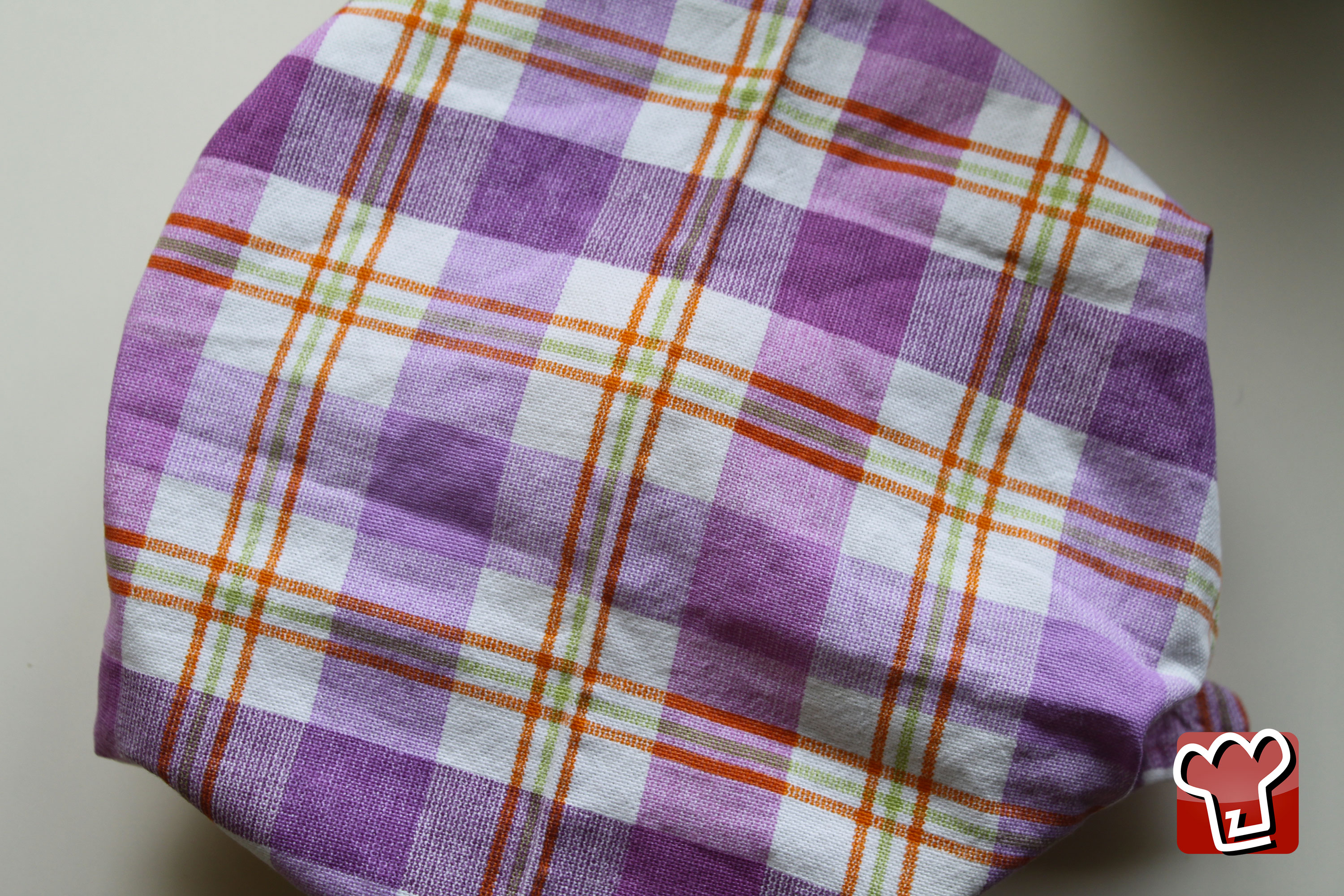
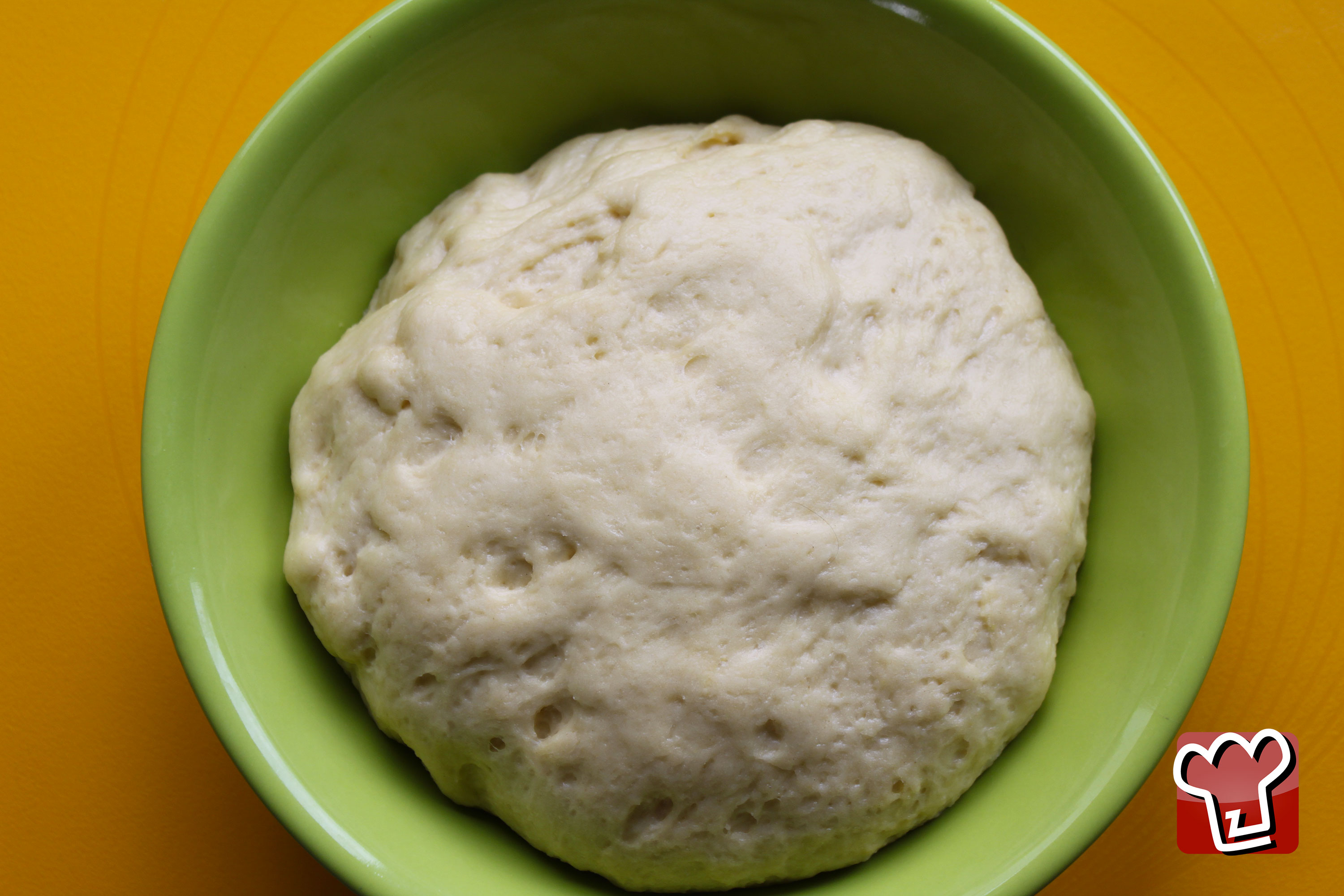
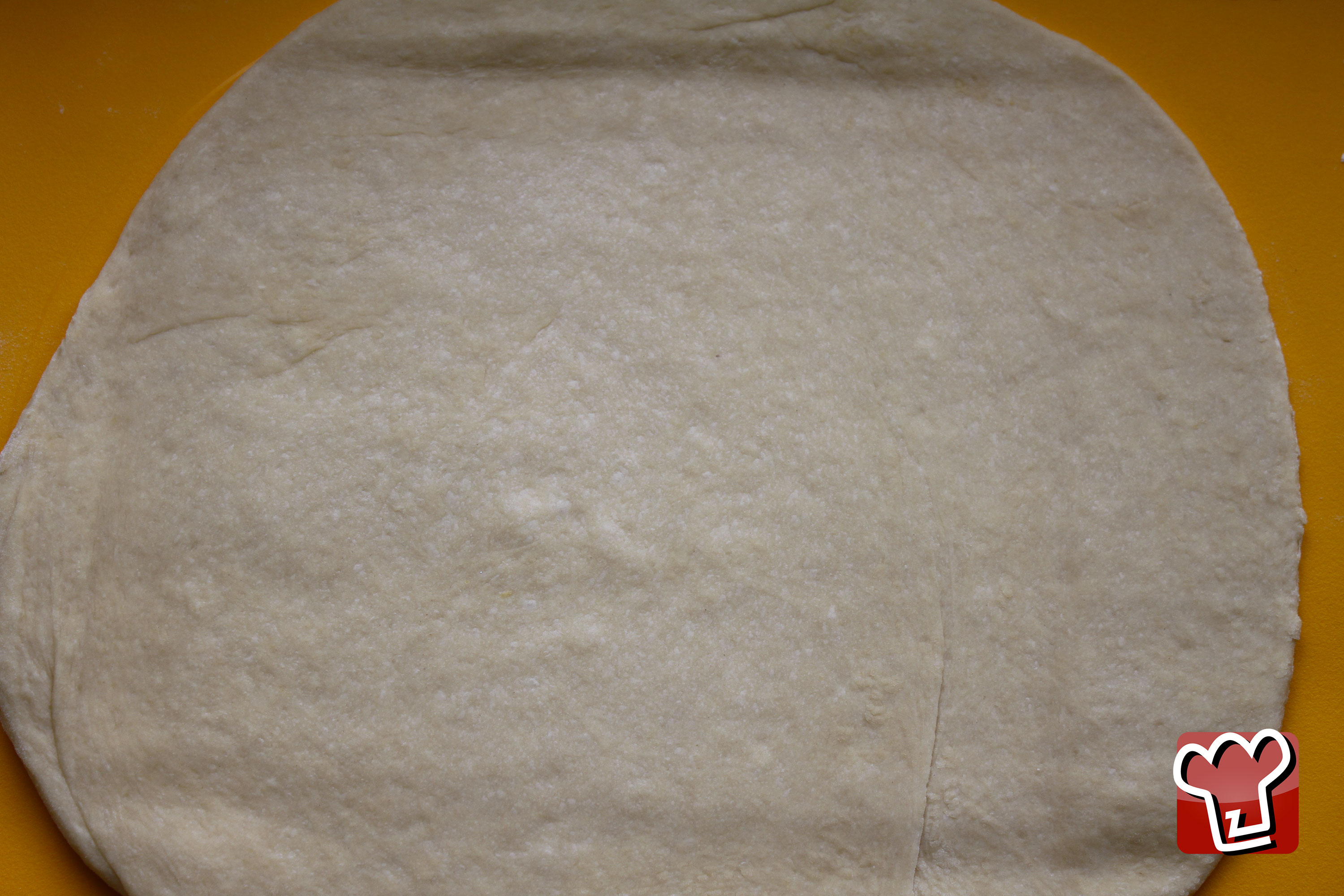
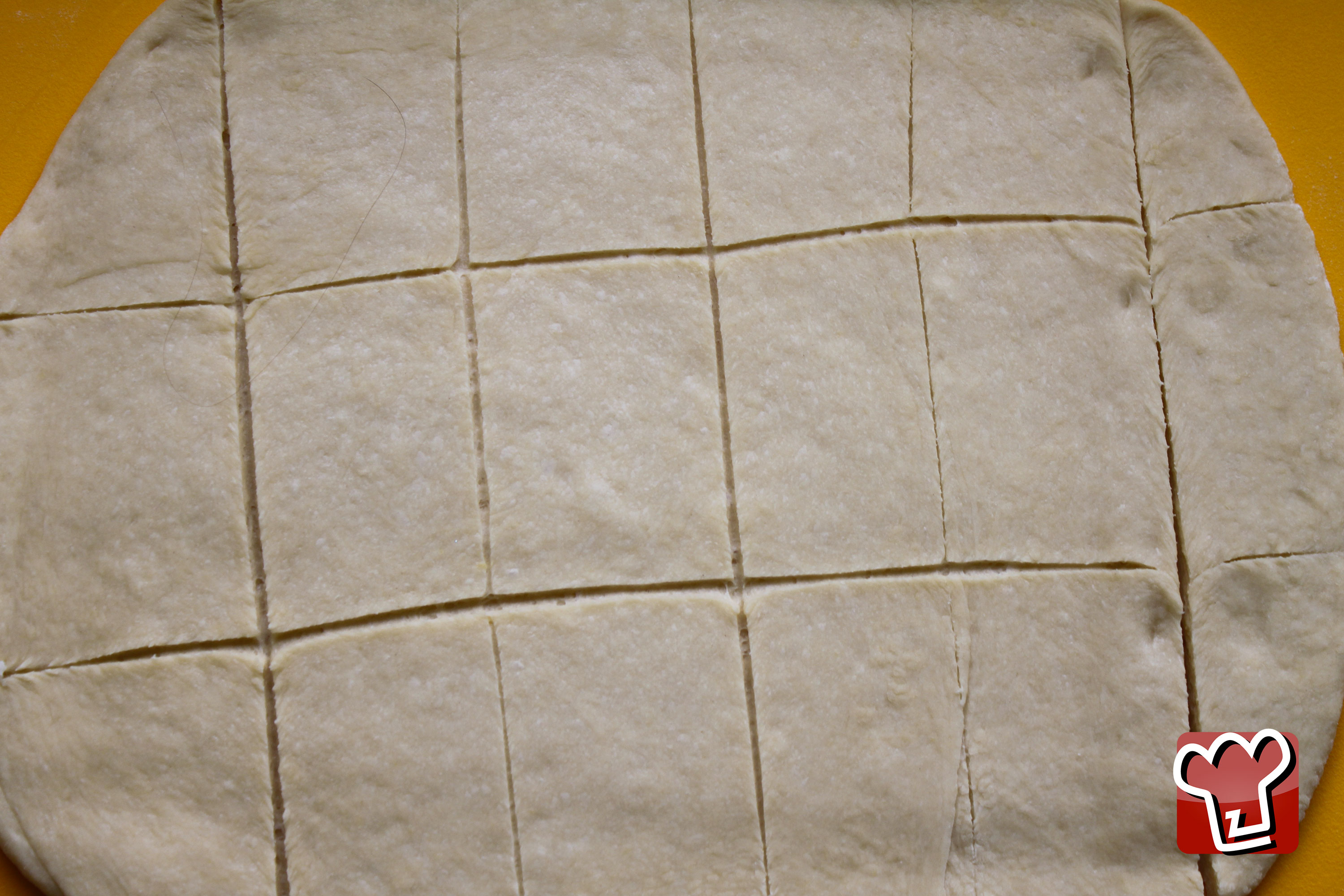
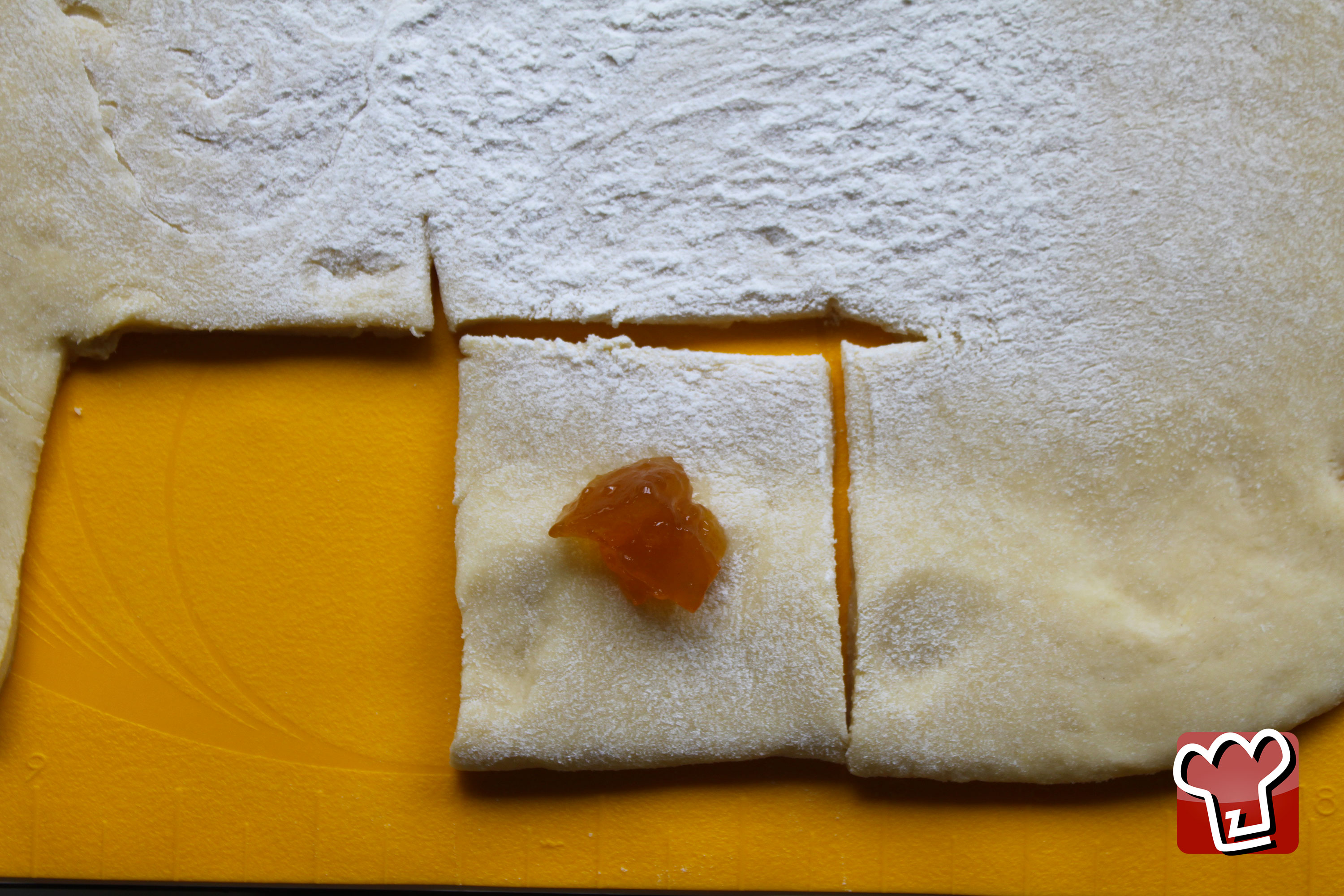
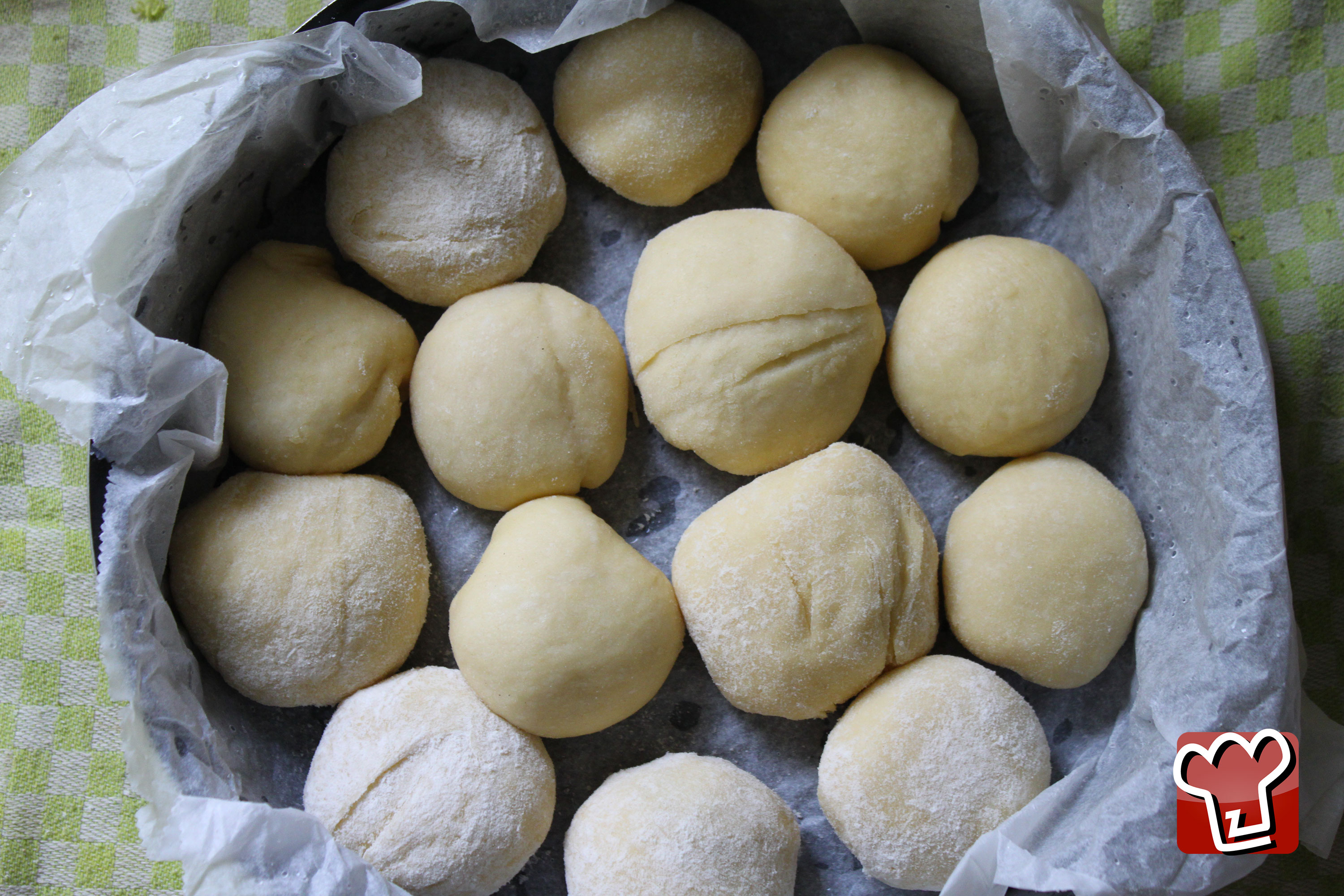
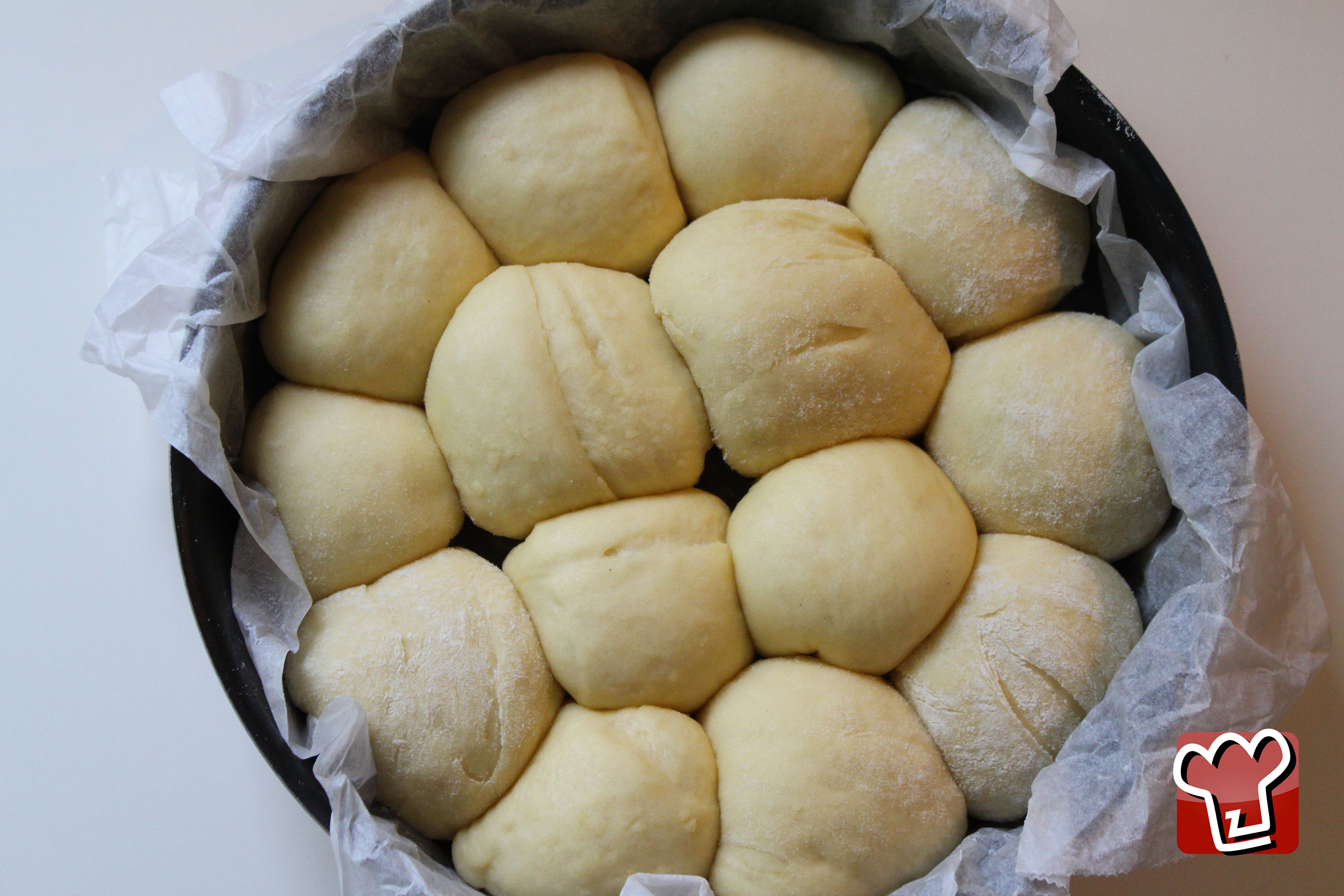
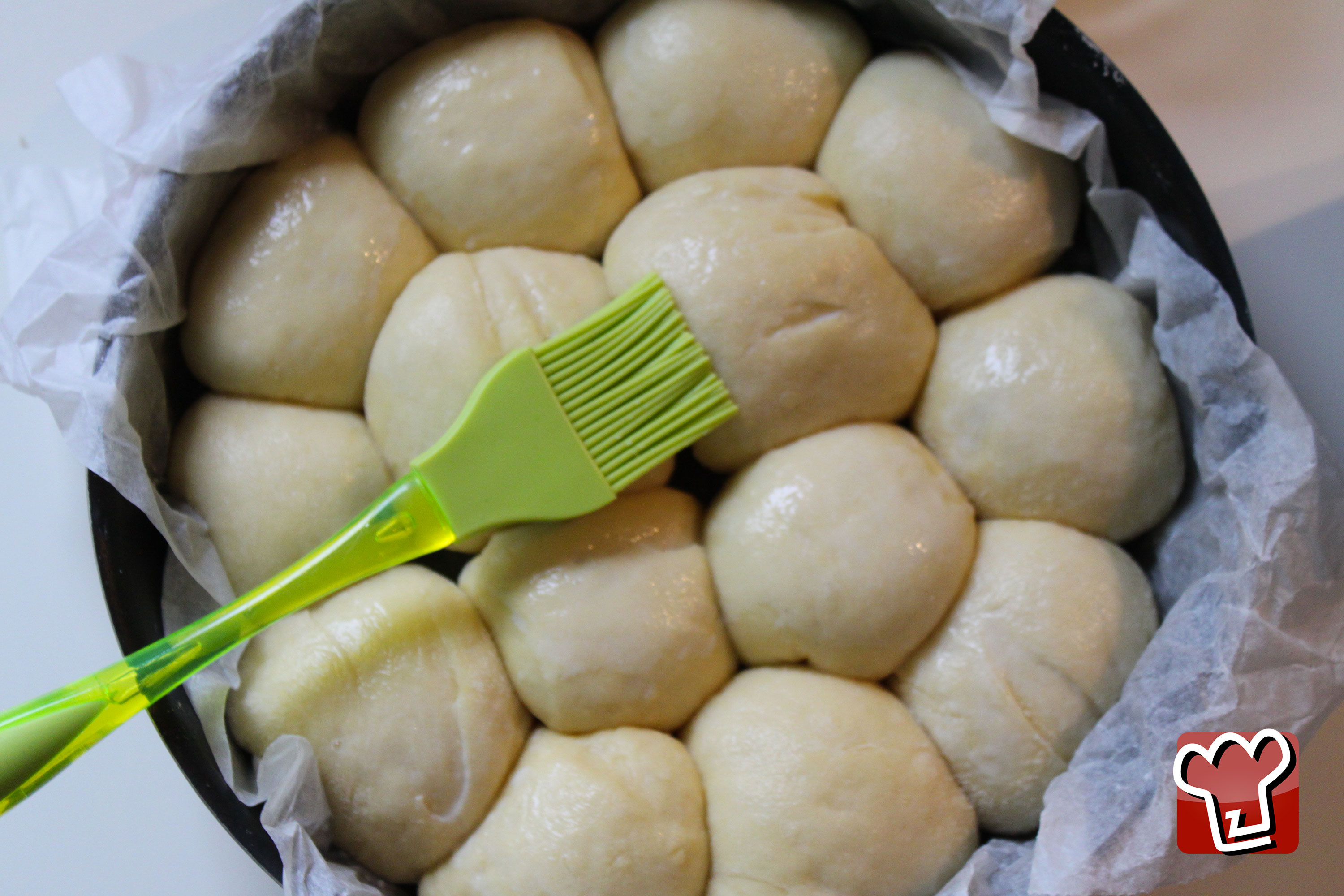
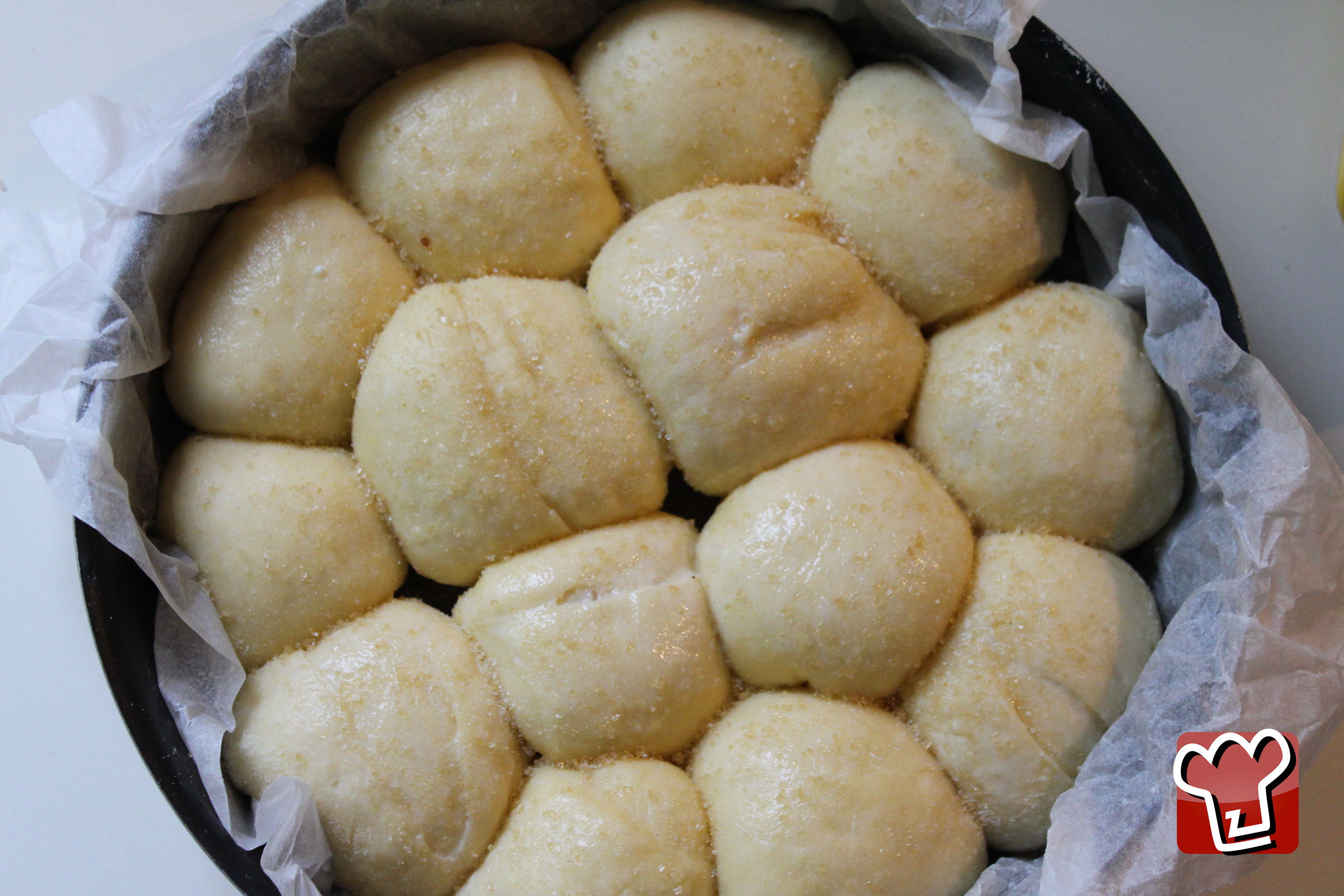
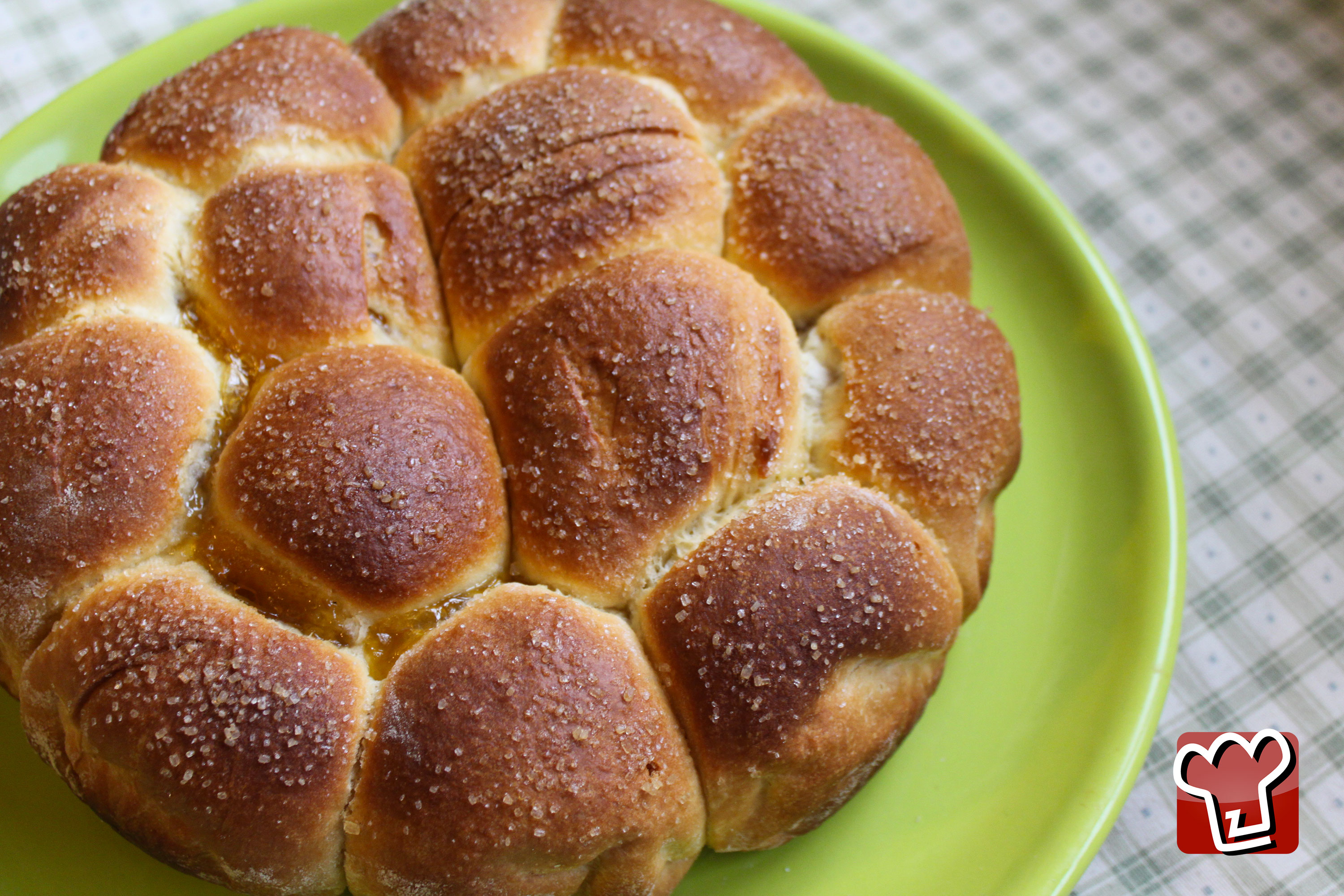
Prepare all the ingredients: if you have a food processor or food mixer all you have to do is mix everything together and let it rise in a warm place covered with a tea towel. Conversely, if you work by hand, dissolve the yeast in warm milk, then add the sugar, eggs, chopped and softened butter and flour. Put everything to rise in a warm place, and wait two hours. After the two hours is up, roll the dough out thinly (5 mm is fine), take a knife and cut the dough into squares. Put a teaspoon of jam in the centre of each square. Then roll up each square of dough into the shape of a ball. Take any shape of baking tray and line it with baking parchment. Put all the balls on the tray, leaving a centimetre and a half between them. When done, leave them to rise for another hour. At this point, all the balls will be touching. Brush with milk and sprinkle with sugar. Bake at 180°C in fan mode for 30 minutes.
Step by step
|
View the step by step
|
Mix and knead all the ingredients, either by hand or in a food mixer
|
|
View the step by step
|
Leave to rise for 2 hours
|
|
View the step by step
|
After two hours, the dough should have doubled in volume
|
|
View the step by step
|
Roll out the dough, not too thin
|
|
View the step by step
|
Cut into squares
|
|
View the step by step
|
Fill the squares with a teaspoon of jam
|
|
View the step by step
|
Arrange the balls on a baking tray, not too close
|
|
View the step by step
|
Leave to rise for another hour
|
|
View the step by step
|
Brush with milk
|
|
View the step by step
|
Sprinkle with a little sugar
|
|
View the step by step
|
Bake at 180°C in a fan oven for 30 minutes
|
Additional information
Danube Cake with Fruit Jam
One of the tastiest variations of Danube Cake is definitely the one with fruit jam. In this preparation, the sweetness of the jam perfectly complements the softness of the dough, creating a dessert ideal for breakfast or a snack. You can choose from different varieties of jam, such as apricot, strawberry, or cherry, depending on your tastes. To prepare the Danube Cake with jam, follow the basic recipe, but before closing the rolls, add a teaspoon of jam in the center of each one. This trick will make the cake even more delicious and fragrant, perfect for enjoying with family or friends. Remember to brush the surface with an egg yolk to achieve a perfect golden color during baking.
Neapolitan Danube Cake
The Danube Cake is a typical dessert of the Campania tradition, particularly appreciated in Naples. The Neapolitan version stands out for its softness and varied filling, which can include not only jam but also pastry cream or chocolate. This preparation is perfect for holidays and special occasions, as it is often served during festive events such as Easter or Christmas. The slow rising technique allows for a particularly light and airy dough. To prepare the Neapolitan Danube Cake, follow the traditional recipe, but play with the fillings to create a mix of flavors that will surprise your guests. Don't forget to decorate the cake with powdered sugar before serving.
Light Danube Cake without Butter
For those who want to enjoy the Danube Cake but wish to reduce calories, it is possible to prepare a light version without butter. In this variant, you can replace the butter with Greek yogurt or seed oil, while still maintaining a soft texture and delicious flavor. By also using brown sugar or natural sweeteners, you can achieve a lighter cake suitable for those following a balanced diet. This recipe is perfect for those who do not want to give up taste but wish to keep calorie intake under control. Remember to pay attention to the rising, as the absence of butter may slightly affect the final texture of the cake. However, the result will still be a soft and fragrant Danube Cake, ideal for any occasion.
Nutritional Benefits of Danube Cake and Approximate Calories
The Danube Cake, while being a dessert, can offer some nutritional benefits thanks to the ingredients used. The "00" flour and Manitoba flour provide complex carbohydrates, while the eggs contribute proteins and essential nutrients such as vitamin D. If you use fruit jam, you will also get a dose of fiber and antioxidants, depending on the type of fruit used. On average, a serving of Danube Cake can contain about 250-300 calories, depending on the ingredients and portions. By opting for light variations, it is possible to significantly reduce calorie intake without compromising flavor. It is important to remember that, as with all desserts, consumption should be moderate, especially if following a specific diet.
Can Danube Cake be Frozen?
A very common question regarding the Danube Cake is whether it can be frozen. The answer is yes, you can freeze the Danube Cake without any problems. It is advisable to do so after the cake has completely cooled. For optimal storage, wrap the cake in plastic wrap or place it in an airtight container. This way, the Danube Cake will maintain its freshness and softness. When you wish to enjoy it, simply let it thaw at room temperature and, if you prefer, you can warm it slightly in the oven to restore its fragrance. This practice is ideal for preparing the cake in advance and having it ready for special occasions without having to make it at the last minute.