Baked Bolognese rice
Baked Bolognese rice - ‘Sartù di Riso’ - is an ancient dish, native to the Naples area of Italy. If there's one thing that everyone in Naples agrees upon, rich or poor, it’s the importance of good food. Rice is a real must in Neapolitan cuisine. Loved by the Neapolitans, by the Aragonese and the French, it has always played an important role, and in ‘Sartù’ it looks so delicious and attractive, and is also extremely versatile. You could add just about anything to the rice: the result is a flavour either more or less delicate depending on whether it is filled with ham and mozzarella or provolone cheese with spicy sausage. Try it yourself: pick different ingredients to make it more or less rich and spicy!
Ingredients
Sartu' di rice: a plunge into flavor
The sartu' di rice stands out for its rich ragù, made with selected meats and fresh tomatoes, artisanal ingredients from Puglia that enhance this dish. The combination of rice and ragù creates a harmony of flavors, perfect for honoring the culinary tradition of our land.
* approximate values per serving
Preparation
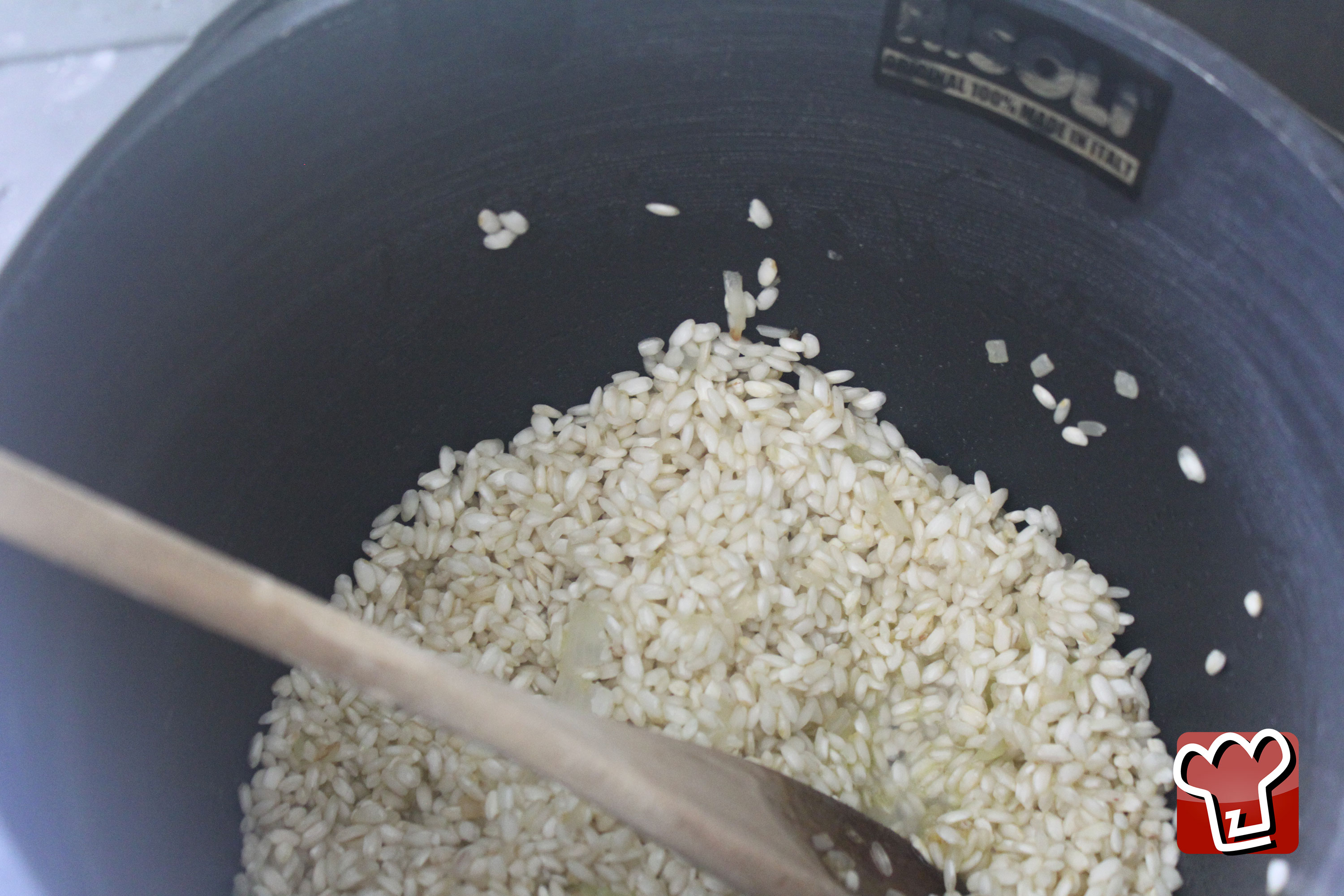
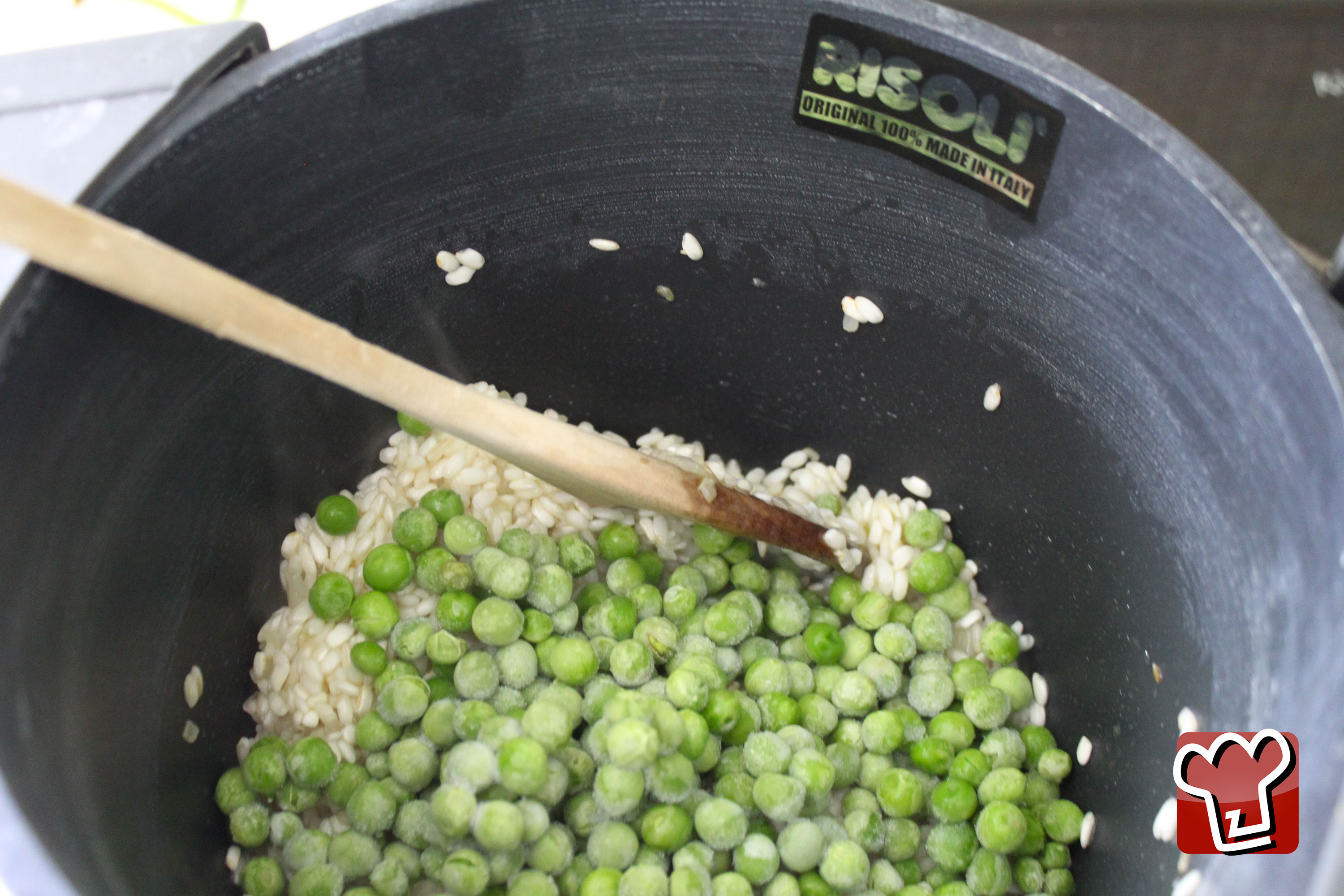
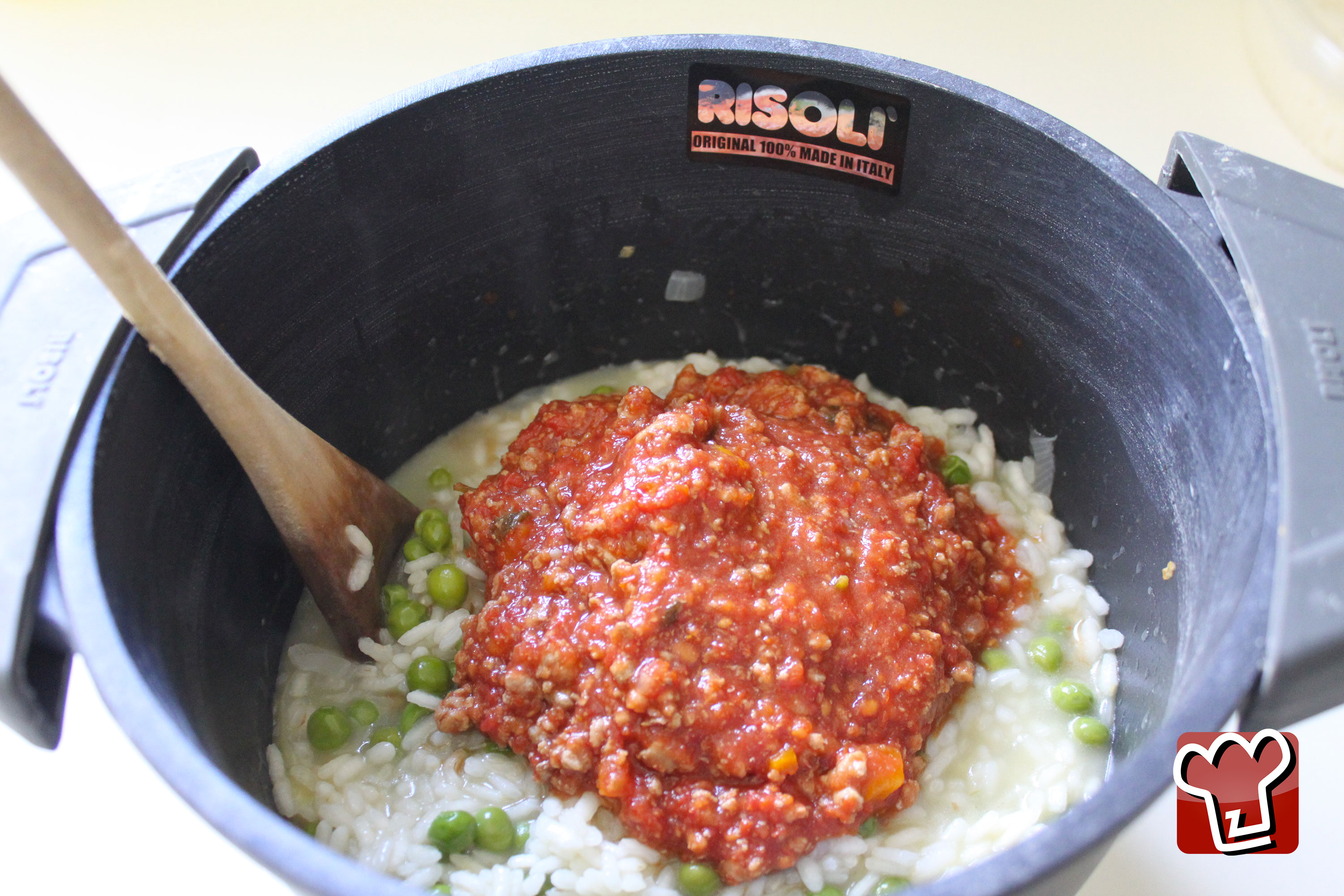
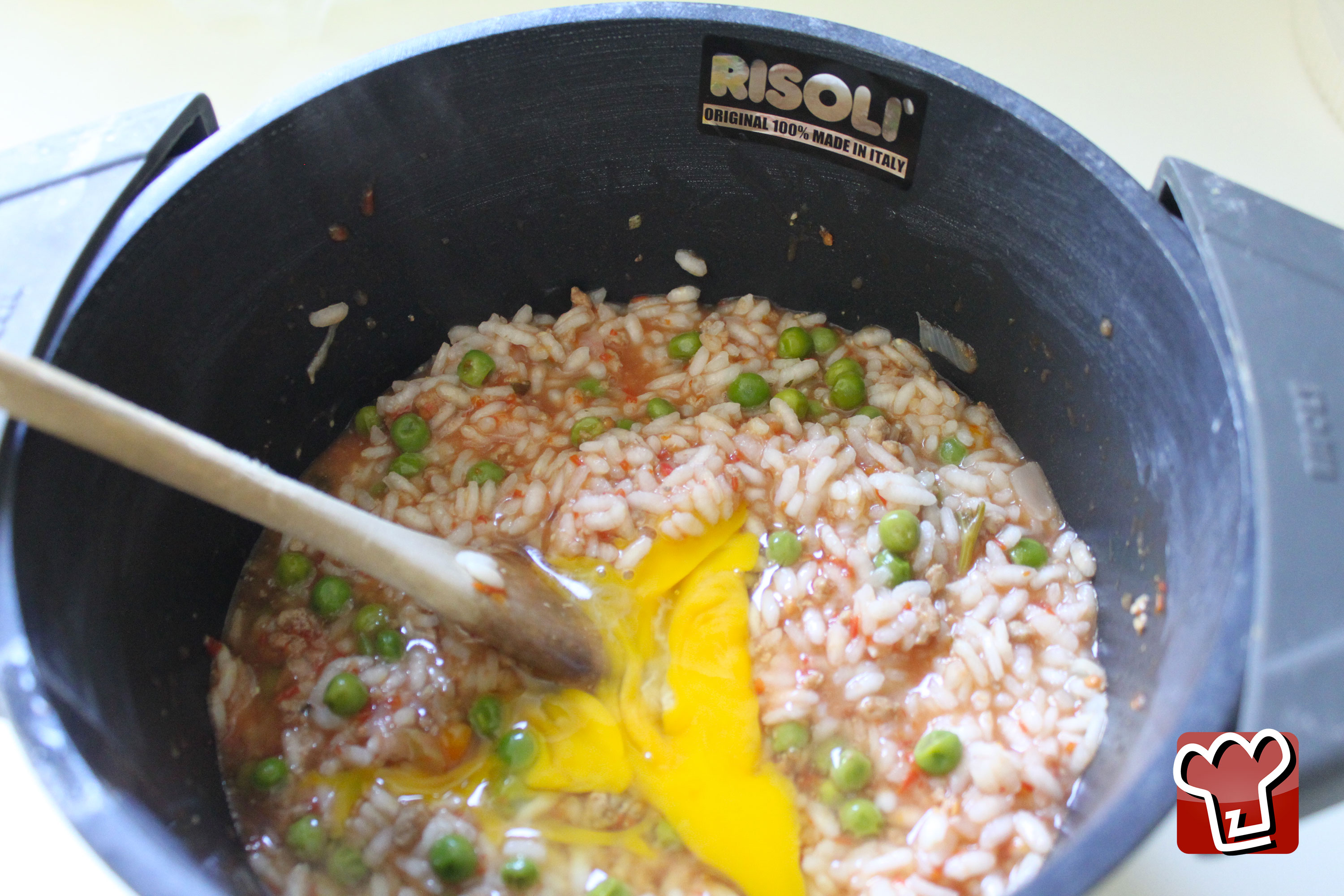
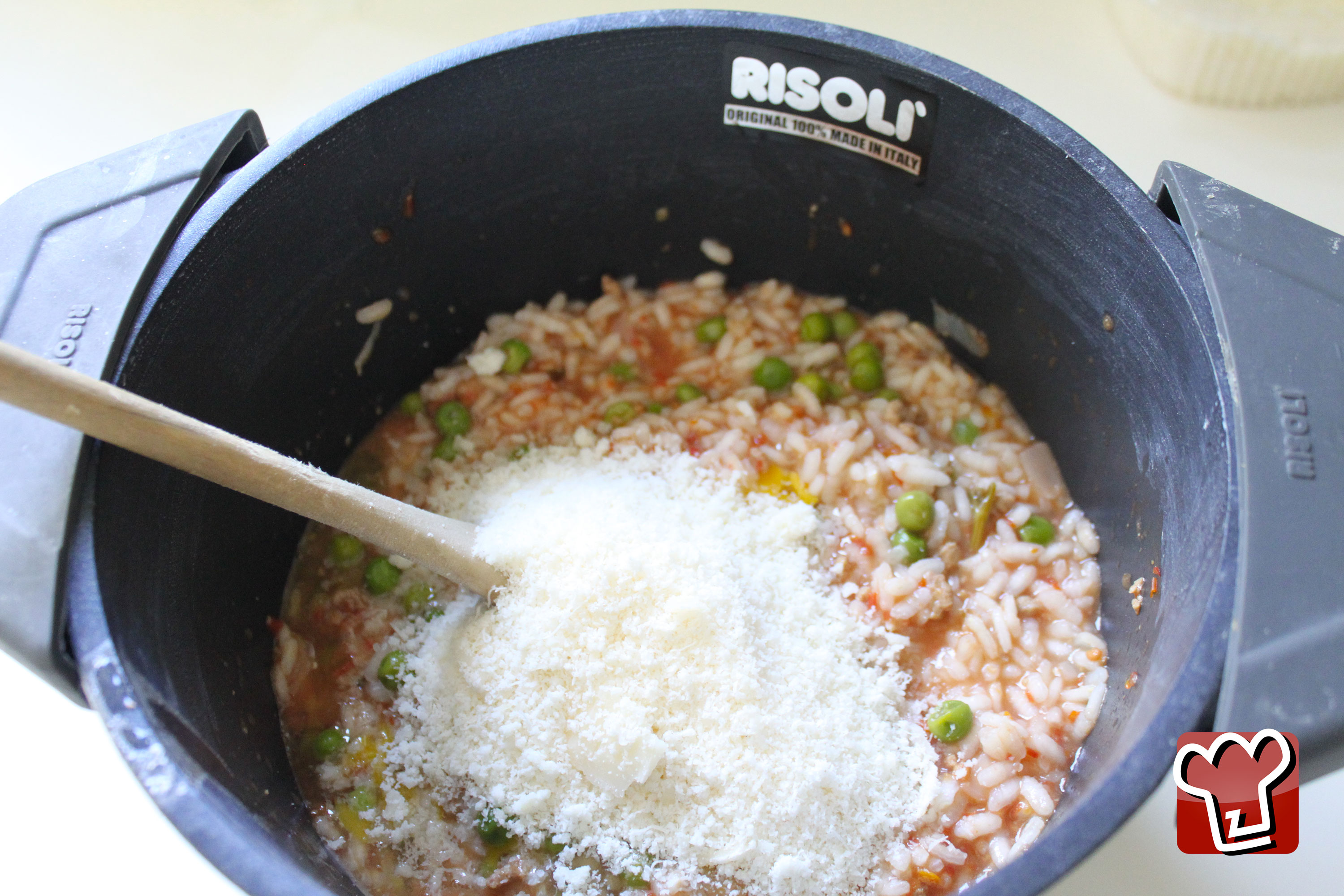
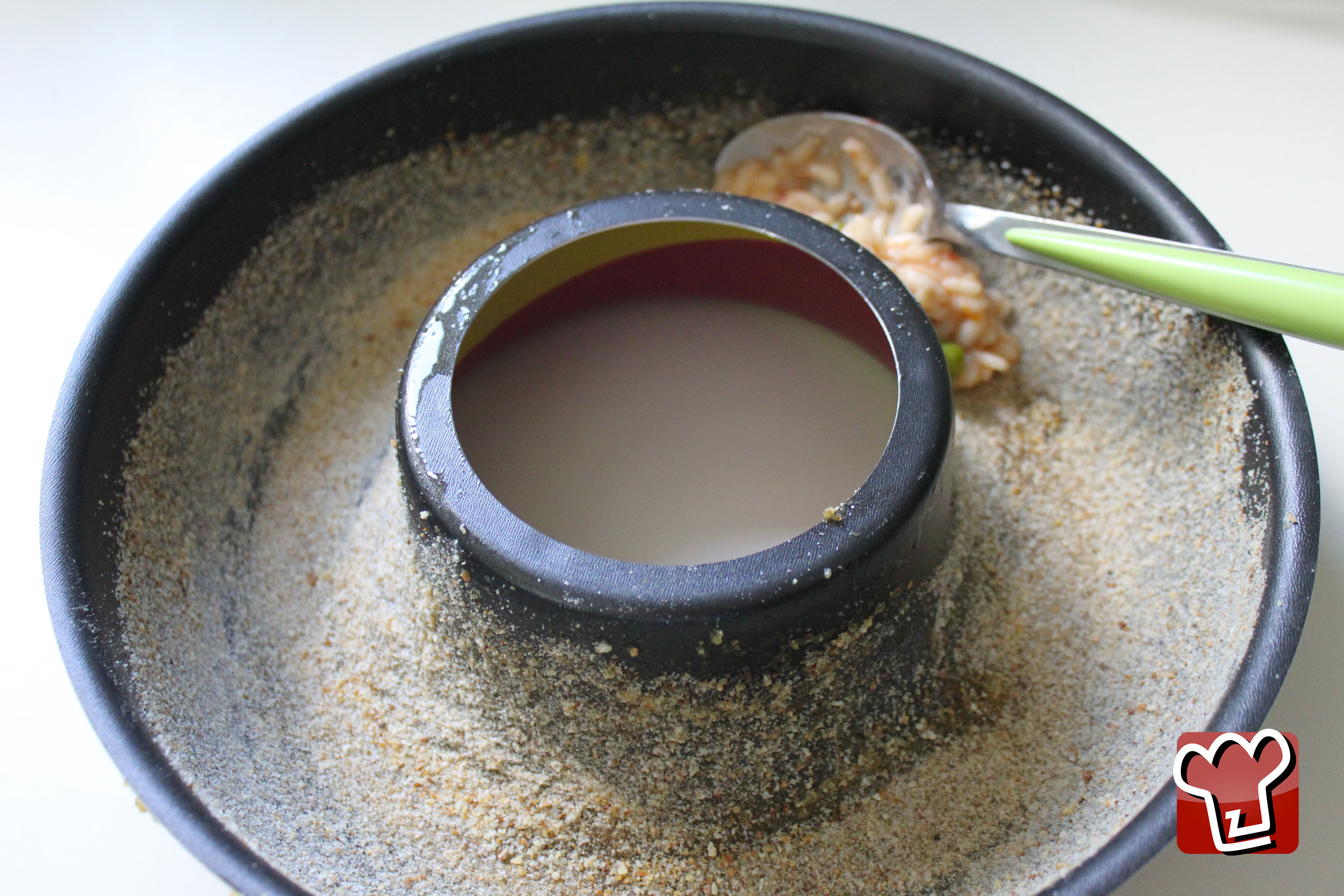
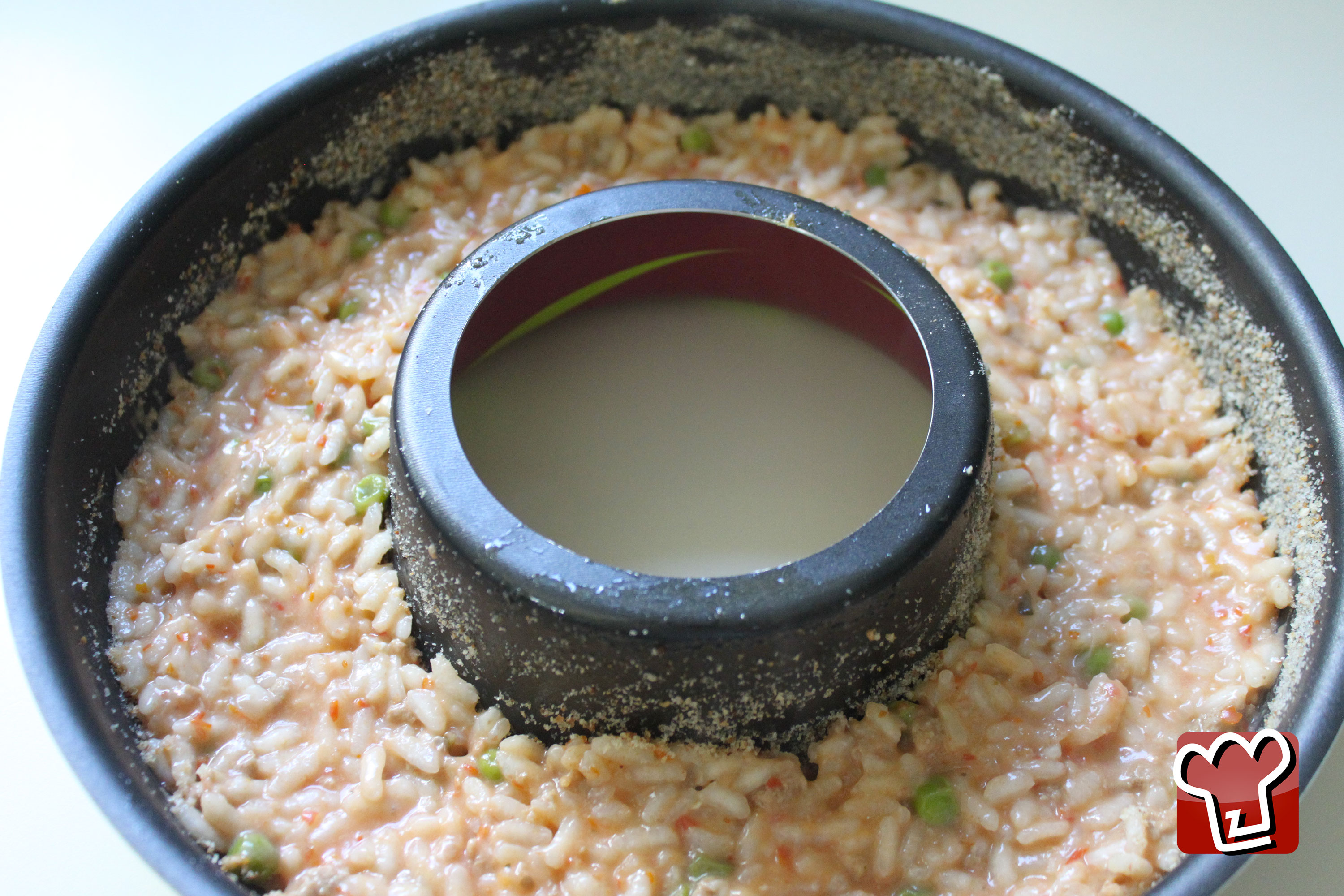
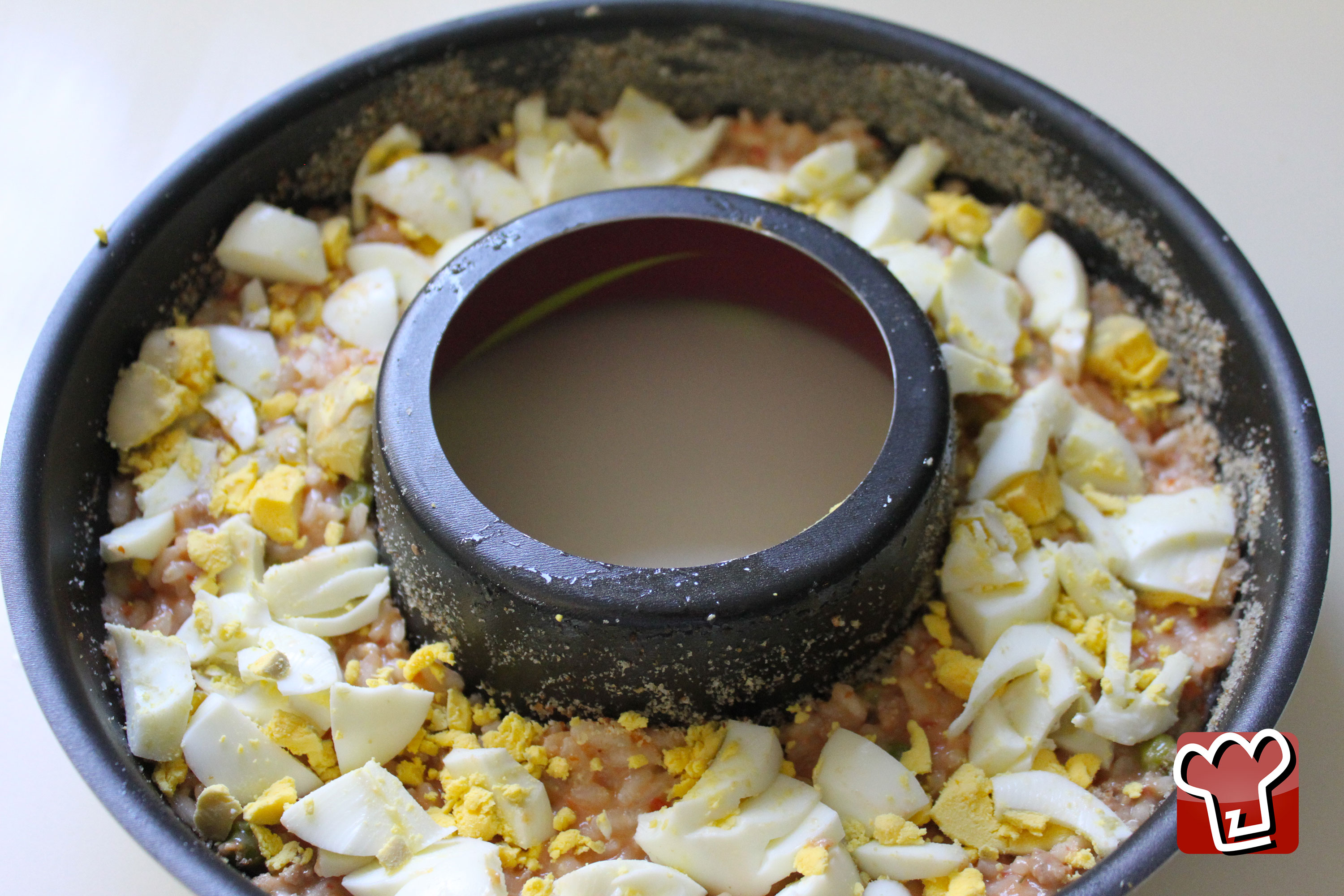
Chop the onion and fry in a little olive oil. Add the rice and coat in the hot oil. Deglaze with white wine and let it reduce. Add the stock and peas and begin to cook. When the rice is almost cooked, add the Bolognese sauce. Take off the heat, add the Parmesan and a raw egg. Line a baking tray with breadcrumbs. Pour half of the rice into the tray, level well, then layer with mozzarella, chopped boiled eggs and ham. Cover with the remaining rice. Level well again, sprinkle with breadcrumbs and add a few knobs of butter. Bake for 30 minutes at 180°C.
Step by step
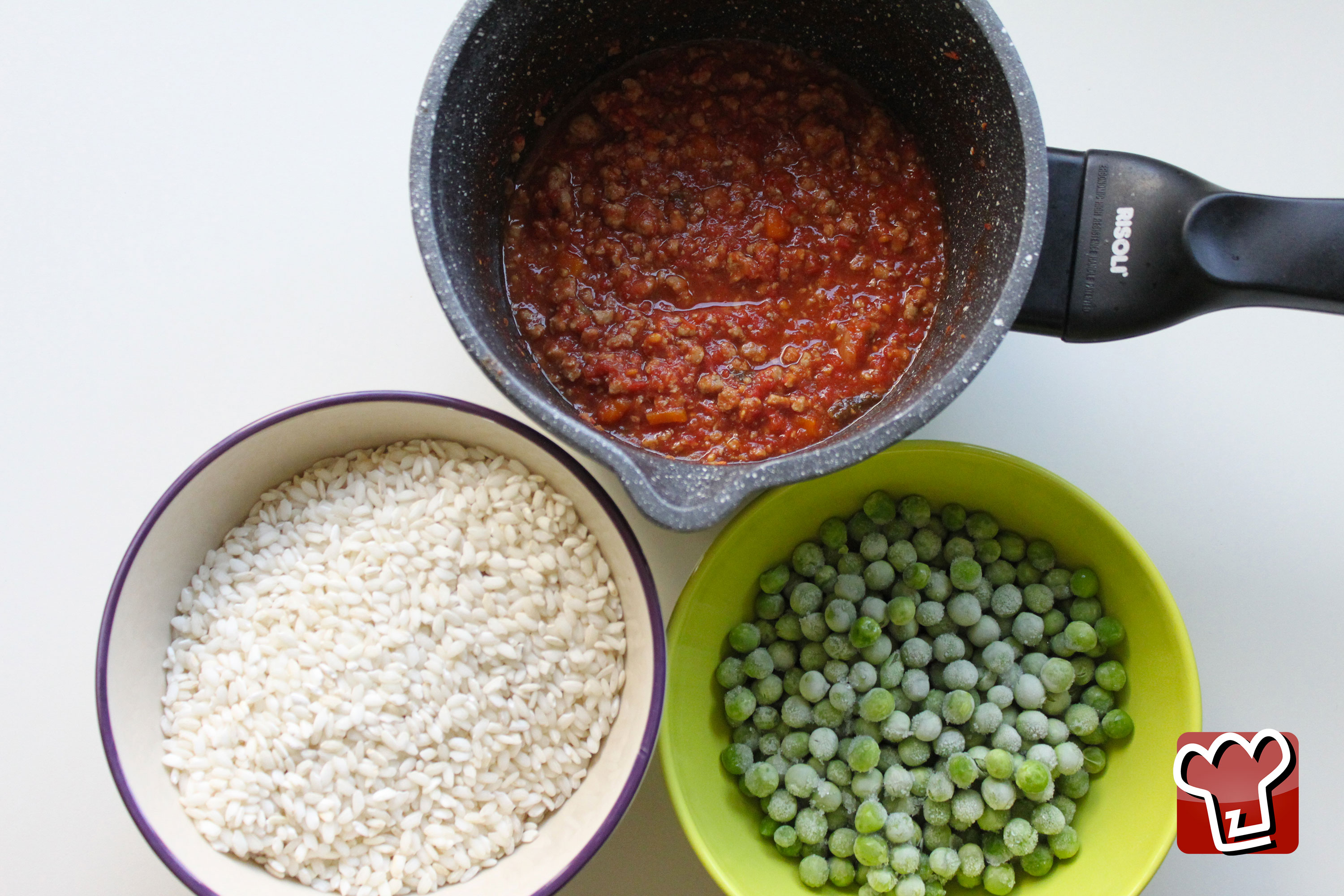
|
View the step by step
|
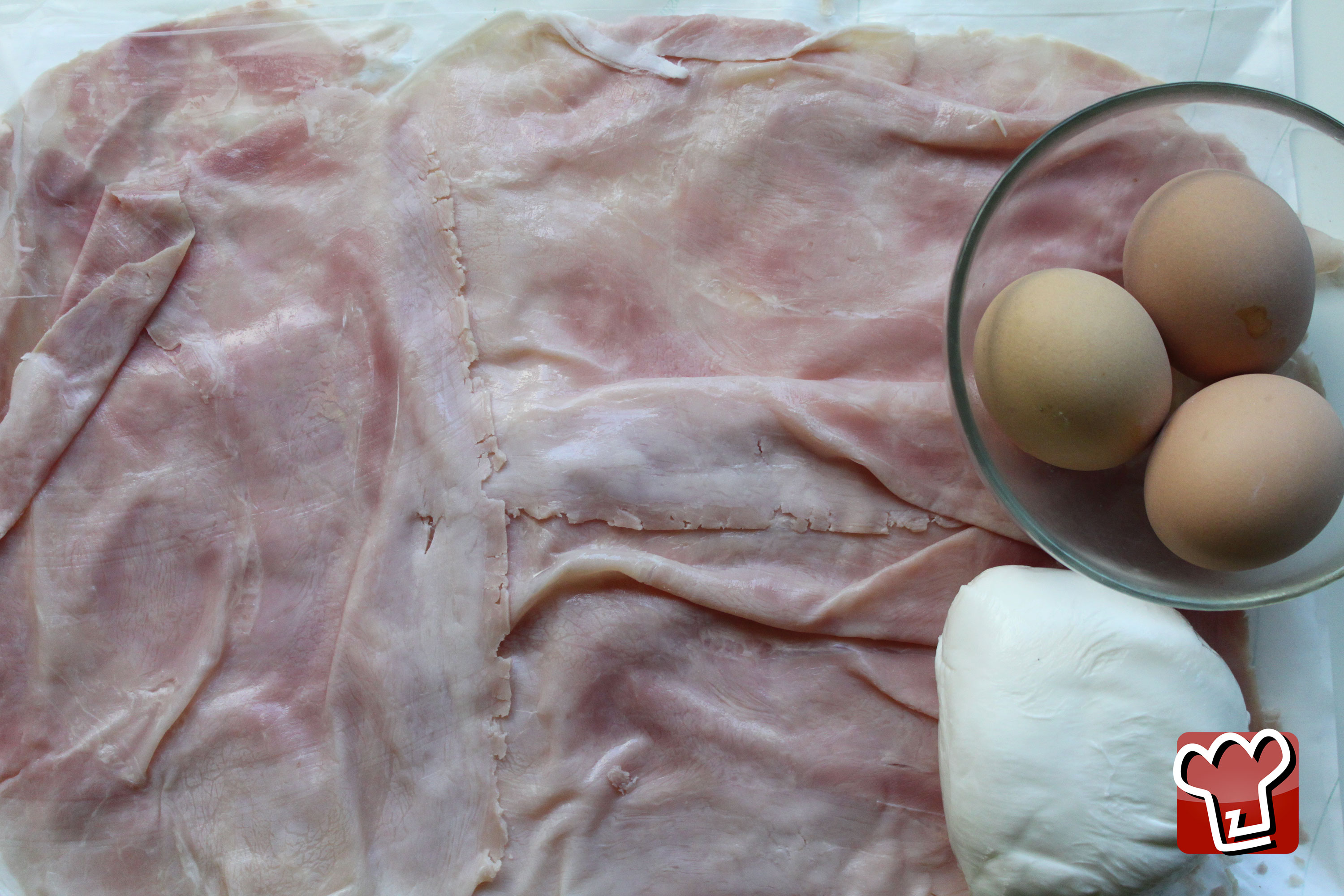
Ham, hard boiled eggs, mozzarella
|
|
View the step by step
|
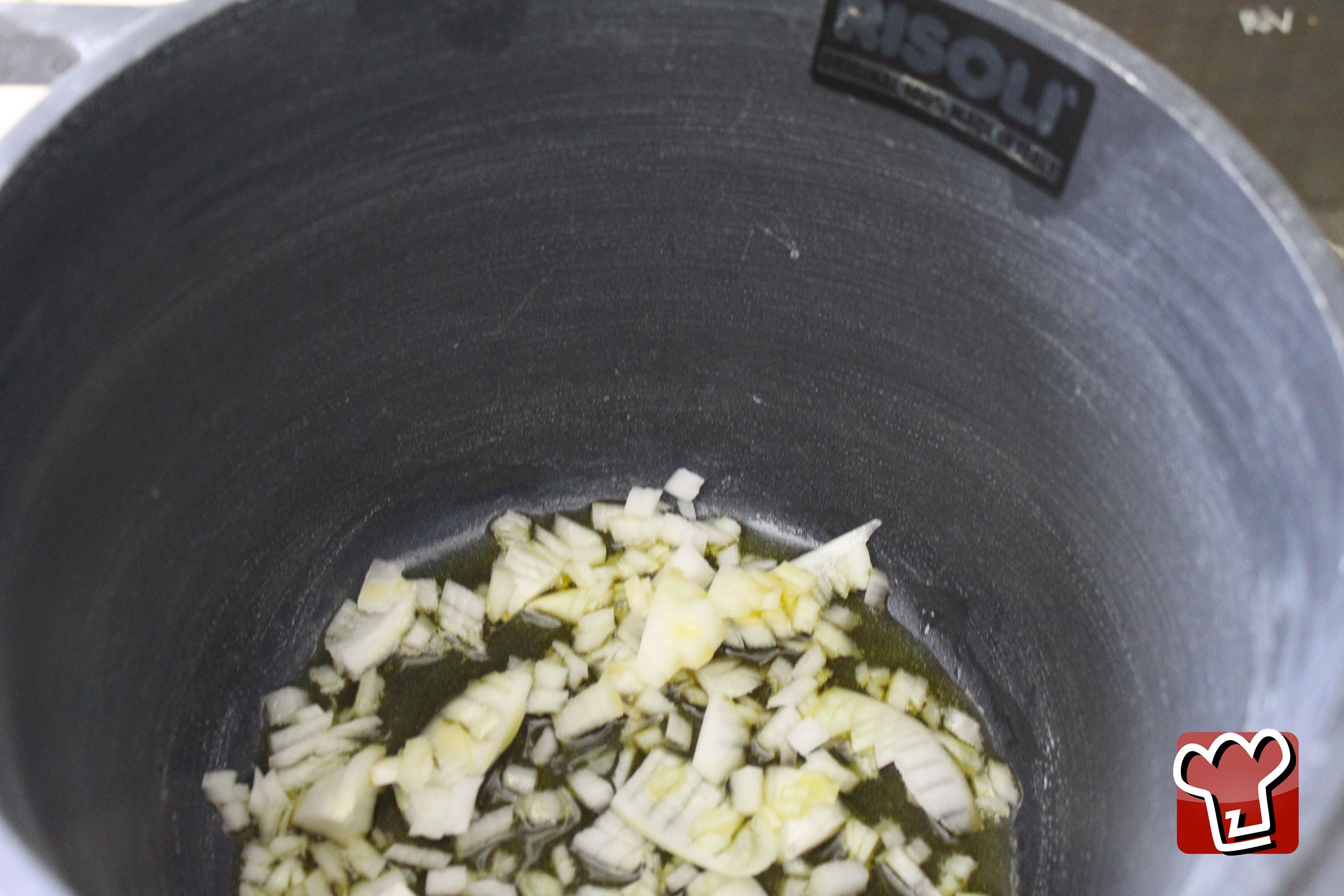
Fry the onion
|
|
View the step by step
|
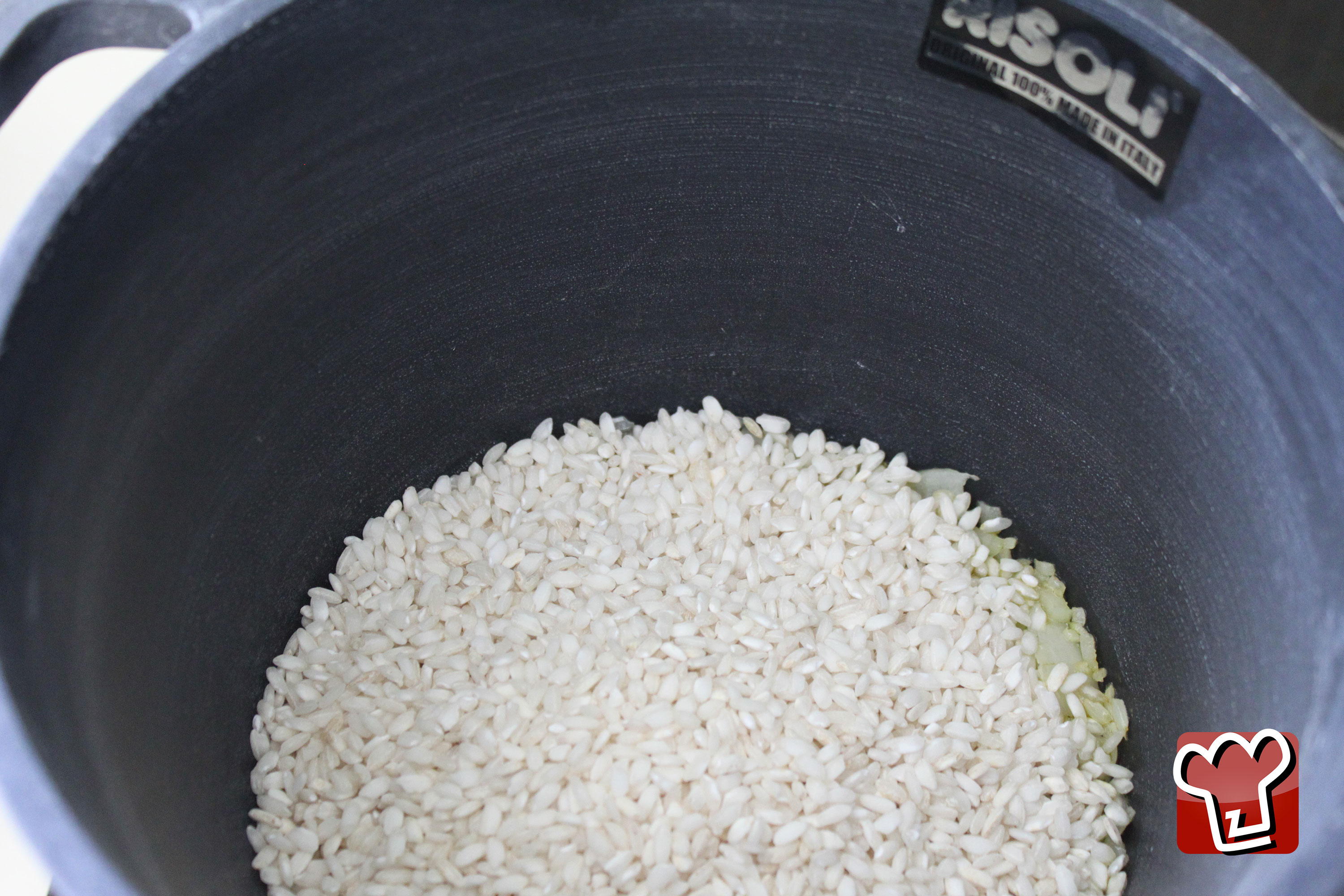
Coat the rice in hot oil
|
|
View the step by step
|
Add the white wine and reduce
|
|
View the step by step
|
Add the stock and peas and begin to cook
|
|
View the step by step
|
When the rice is nearly cooked, add the Bolognese sauce and finish the cooking
|
|
View the step by step
|
Add an egg to the now cooked rice
|
|
View the step by step
|
Add the grated Parmesan and mix well
|
|
View the step by step
|
Put half the rice in a well-oiled baking tray that has been sprinkled with breadcrumbs
|
|
View the step by step
|
Level the rice well
|
|
View the step by step
|
Fill with hard-boiled egg, ham and little pieces of mozzarella
|
|
View the step by step
|
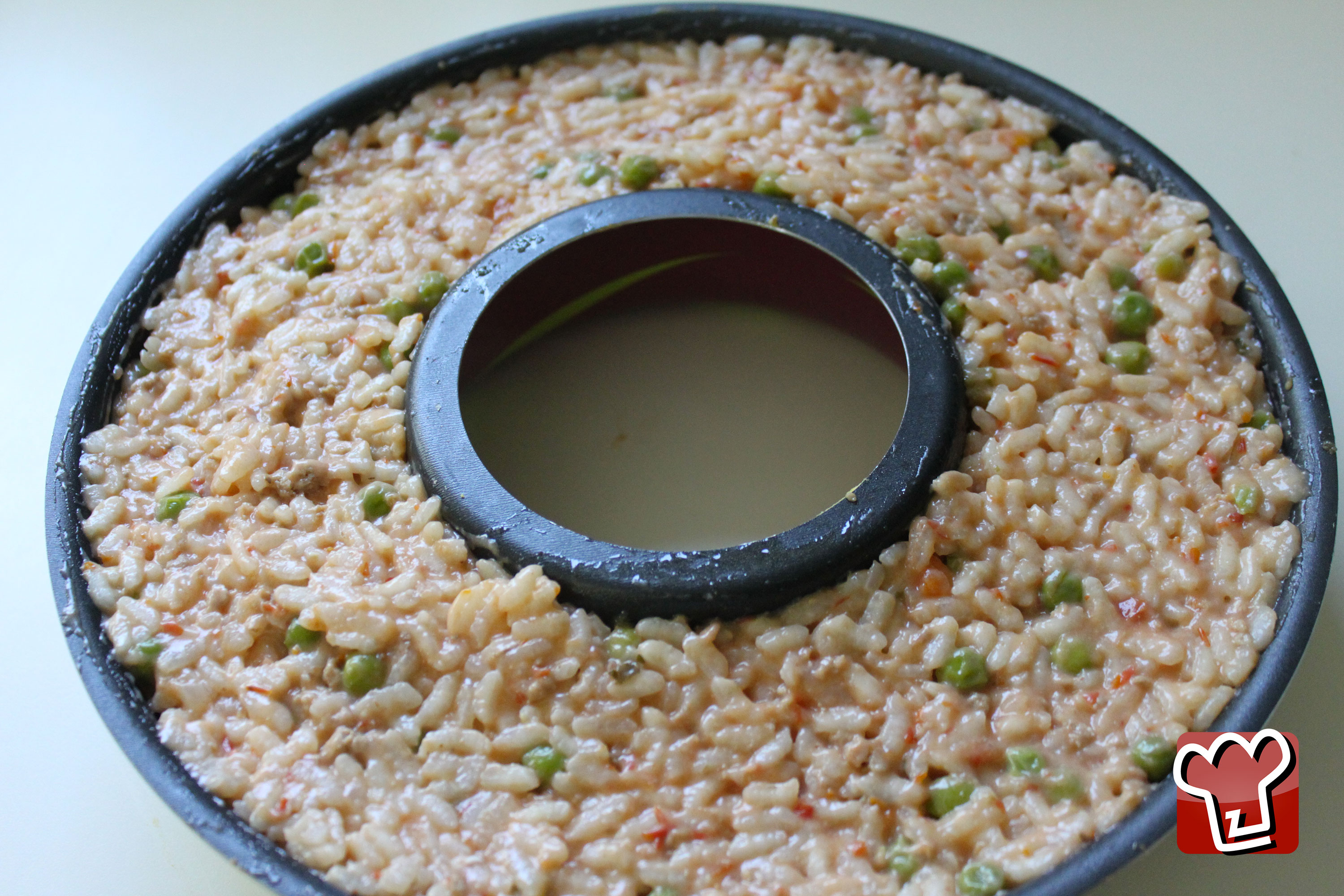
Cover with the rest of the rice and level it well
|
|
View the step by step
|
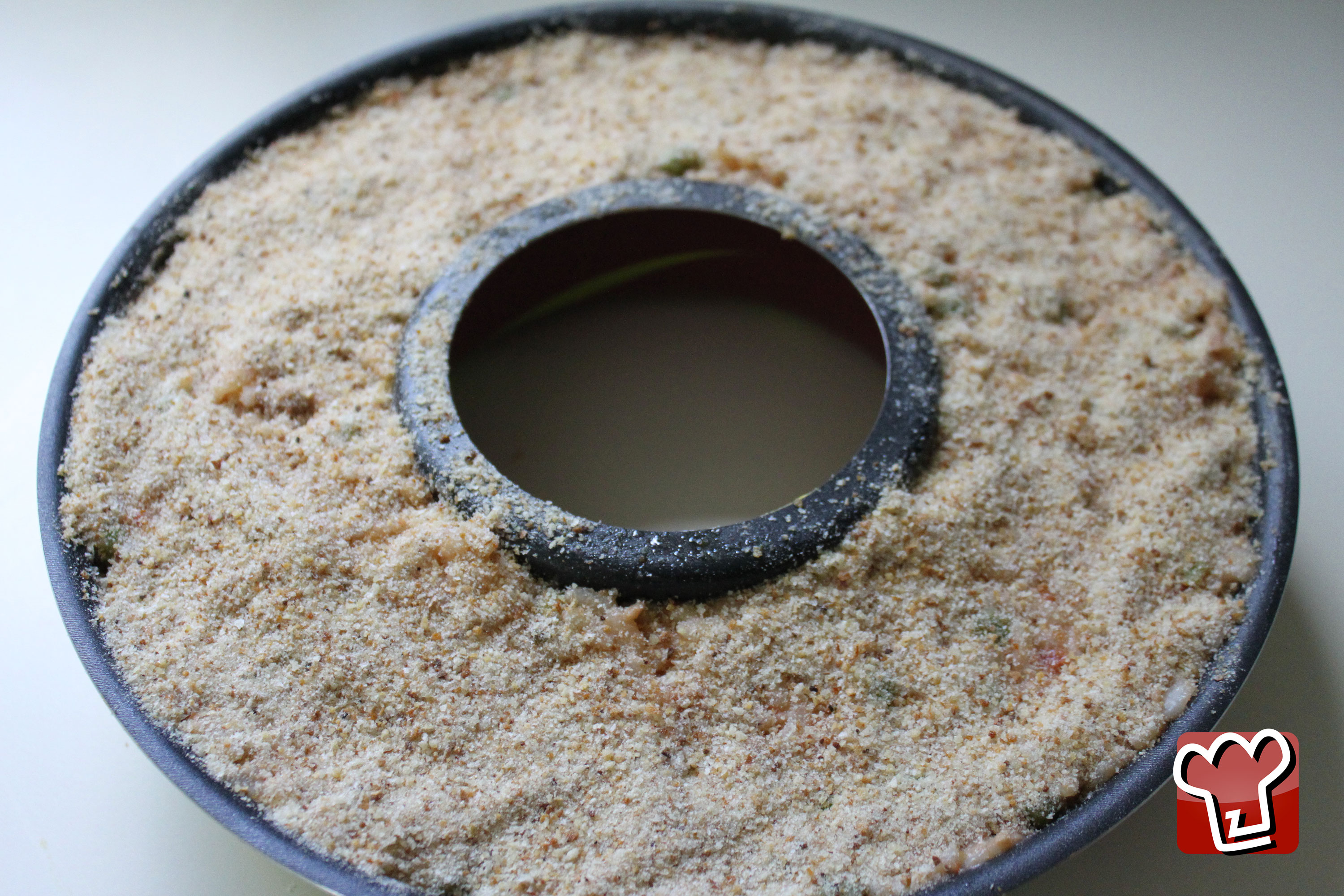
Cover with breadcrumbs
|
|
View the step by step
|
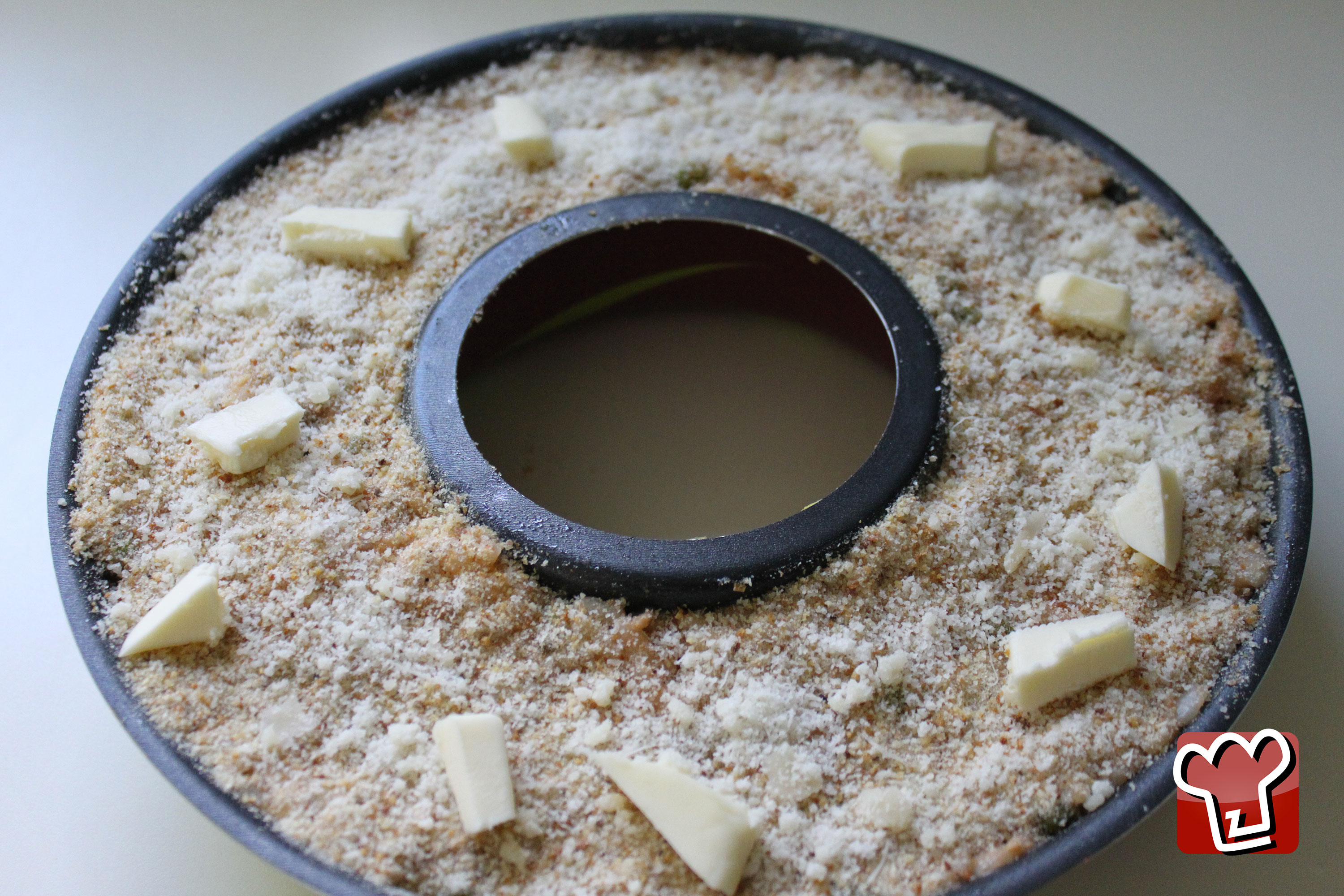
Dot with flakes of butter
|
|
View the step by step
|
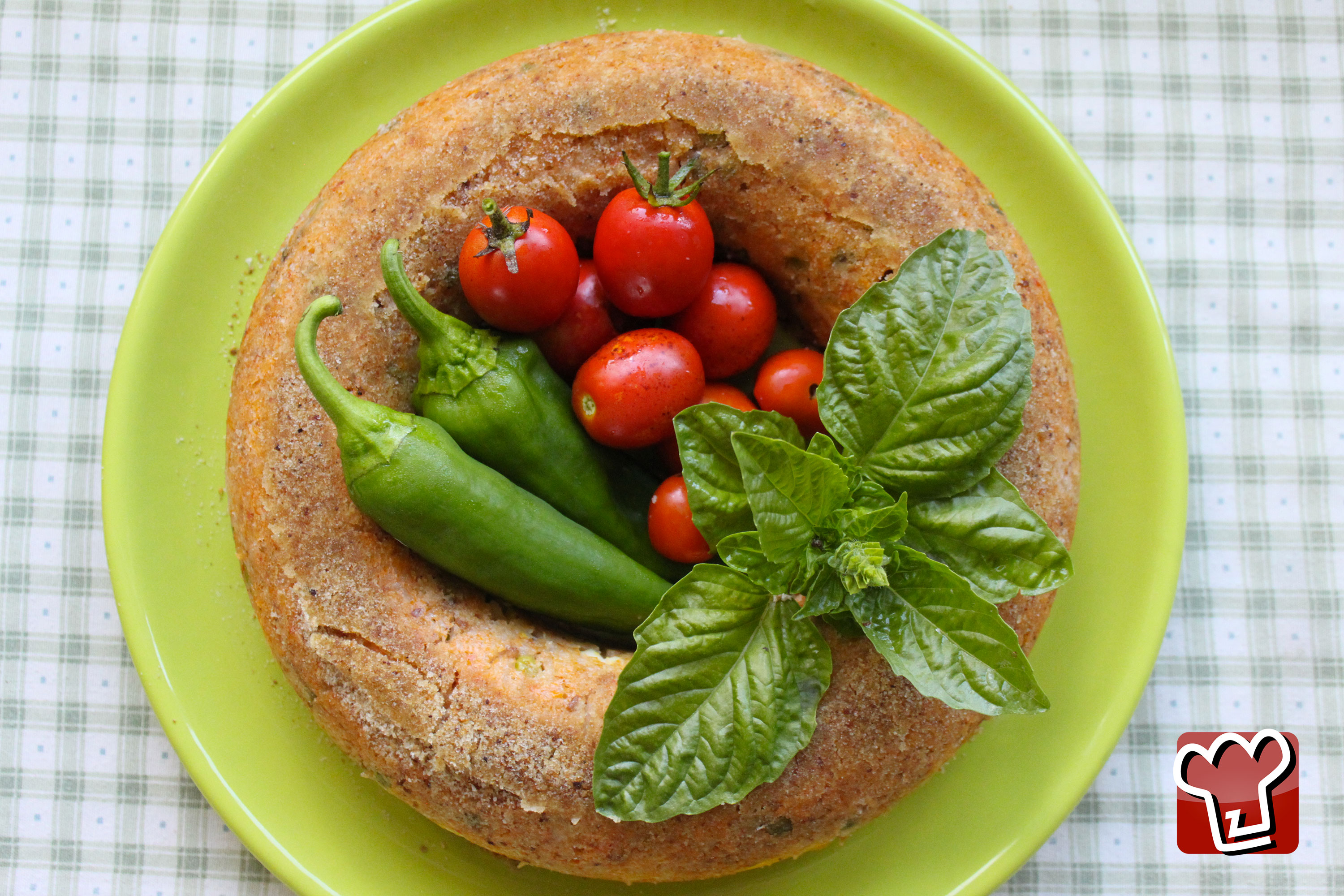
Serve
|
Additional information
Rice Timbale with Peas and Cooked Ham
One of the tastiest variations of rice timbale is certainly the one with peas and cooked ham. This preparation enriches the dish with a sweet and delicate flavor, perfectly balancing the robustness of the ragù. The peas, in addition to providing a note of freshness, make the timbale visually appealing thanks to their bright green color. The cooked ham, on the other hand, adds a softness that pairs well with the melting mozzarella and grated grana, creating a contrast of textures. To make this variation, it is important to cook the peas separately and add them to the rice only after sautéing them in a pan with a bit of oil and onion. The result will be a rice timbale rich in flavors, perfect for a family lunch or a dinner with friends.
Neapolitan Rice Timbale with Ragù
The Neapolitan rice timbale represents one of the most traditional versions of this iconic dish. The preparation involves the use of a rich and flavorful ragù, often made with beef and tomato, which is slowly cooked to enhance the flavors. In this version, the rice is cooked al dente and then mixed with the ragù, peas, and eggs before being transferred to a mold and baked in the oven. The golden crust that forms on the surface of the timbale is one of the secrets to the success of this preparation, as it adds a crunchy note that contrasts wonderfully with the softness of the filling. Serving the Neapolitan rice timbale is a way to bring a piece of culinary history from Campania to the table, appreciated on every occasion.
Light Rice Timbale without Butter
For those who desire a lighter version of the rice timbale, it is possible to prepare it without butter and with healthier ingredients. By using high-quality extra virgin olive oil and reducing the amount of mozzarella, one can achieve a dish rich in flavors without weighing down the preparation. In this variation, it is possible to increase the amount of vegetables such as carrots and zucchini, which not only provide vitamins and minerals but also make the rice timbale even more colorful and inviting. This preparation is ideal for those following a balanced diet, maintaining the taste and tradition of the original dish. Furthermore, baking allows for a delicious crust without the addition of unnecessary fats, making the timbale a perfect option for those looking to maintain their figure.
Nutritional Benefits of Rice in Rice Timbale
Rice, the main ingredient in rice timbale, is a highly digestible and gluten-free food, ideal for those with food intolerances or sensitivities. Rich in complex carbohydrates, it provides long-term energy and is a good source of B vitamins, essential for energy metabolism. Additionally, rice contains minerals such as manganese and phosphorus, which play an important role in bone health and the proper functioning of the immune system. In terms of calories, a serving of rice timbale can vary between 400 and 600 calories, depending on the ingredients used and the portions. This makes it a substantial dish, but if prepared with attention to the ingredients, it can also be a healthy option for a complete meal.
Can Rice Timbale be Frozen?
A common question regarding rice timbale is whether it can be frozen. The answer is affirmative: rice timbale freezes very well. To achieve the best results, it is advisable to let it cool completely after cooking, then portion it and store it in airtight containers or freezer-safe bags. This way, it can be preserved for several months. When you want to consume it, simply thaw it in the refrigerator for a few hours and then reheat it in the oven or microwave. It is important to note that, although the texture may vary slightly after freezing, the flavor will remain delicious, allowing you to enjoy a traditional dish even in moments of greater convenience.