'Tria' pasta with chickpea sauce
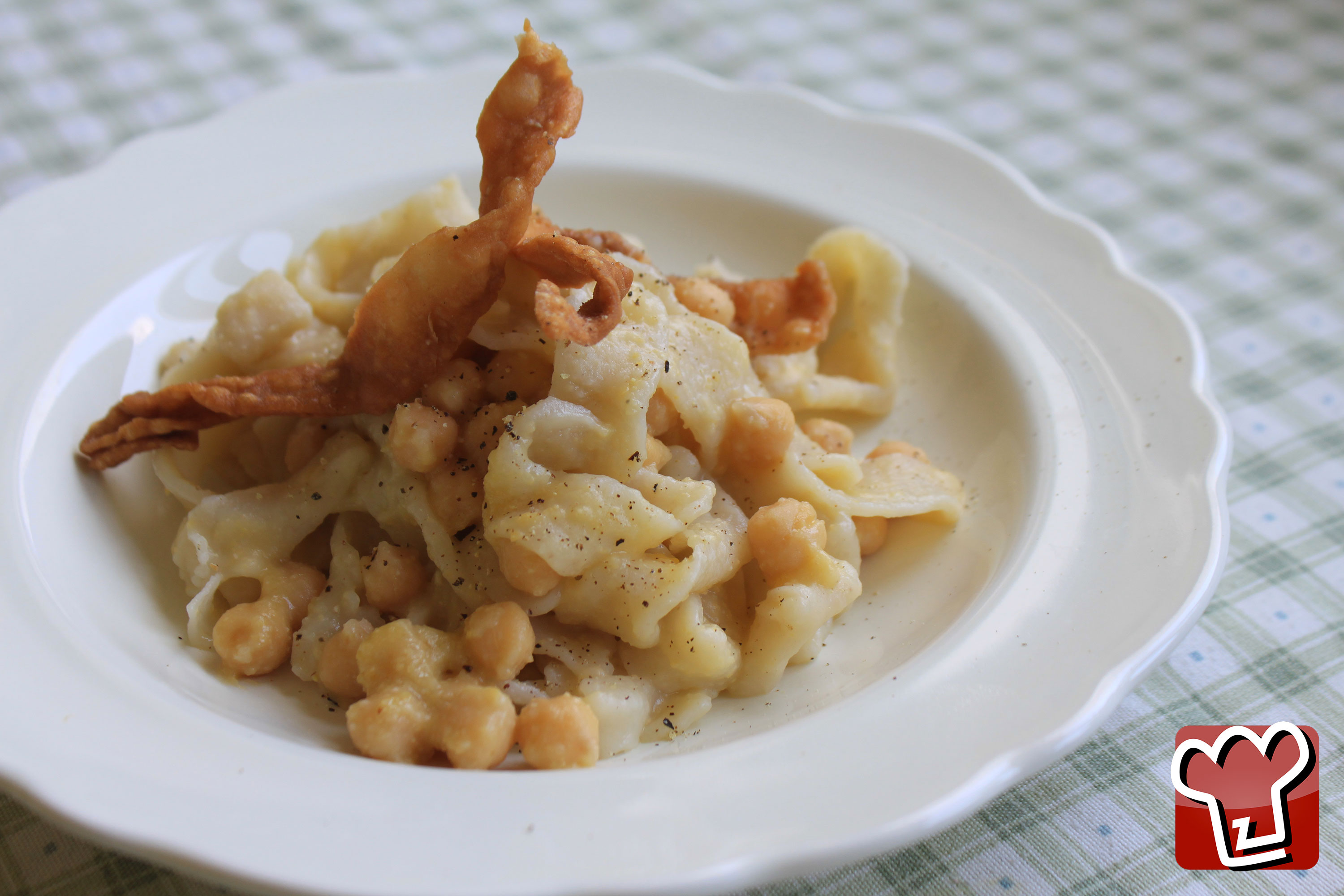
This chickpea pasta sauce is a classic of Salento's gastronomic tradition. Chickpeas with 'tria', a hand made pasta shape. In Salento, and more generally in Puglia, homemade pasta does not include eggs but is made from a dough prepared simply with water and flour - very easy to work by hand. Salentine pasta and chickpea sauce is made even more distinctive by the addition of fried pasta strips, rendering it particularly tasty and crispy, and is lovely sprinkled with black pepper. In short, it is a traditional dish of great simplicity and great impact, it's very economical, and is also well-balanced from a nutritional point of view.
Ingredients
Chickpeas and Tria: A Dish of Tradition
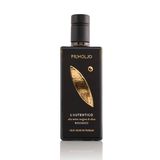 Organic IGP Puglia Oil 500ml
The simplicity of chickpeas and tria encapsulates the essence of Apulian cuisine. Passionately cultivated chickpeas come together with fresh pasta, crafted using artisanal methods, to create a dish that highlights genuine ingredients and authentic flavors. A tribute to the land and its traditions.
* approximate values per serving
Preparation
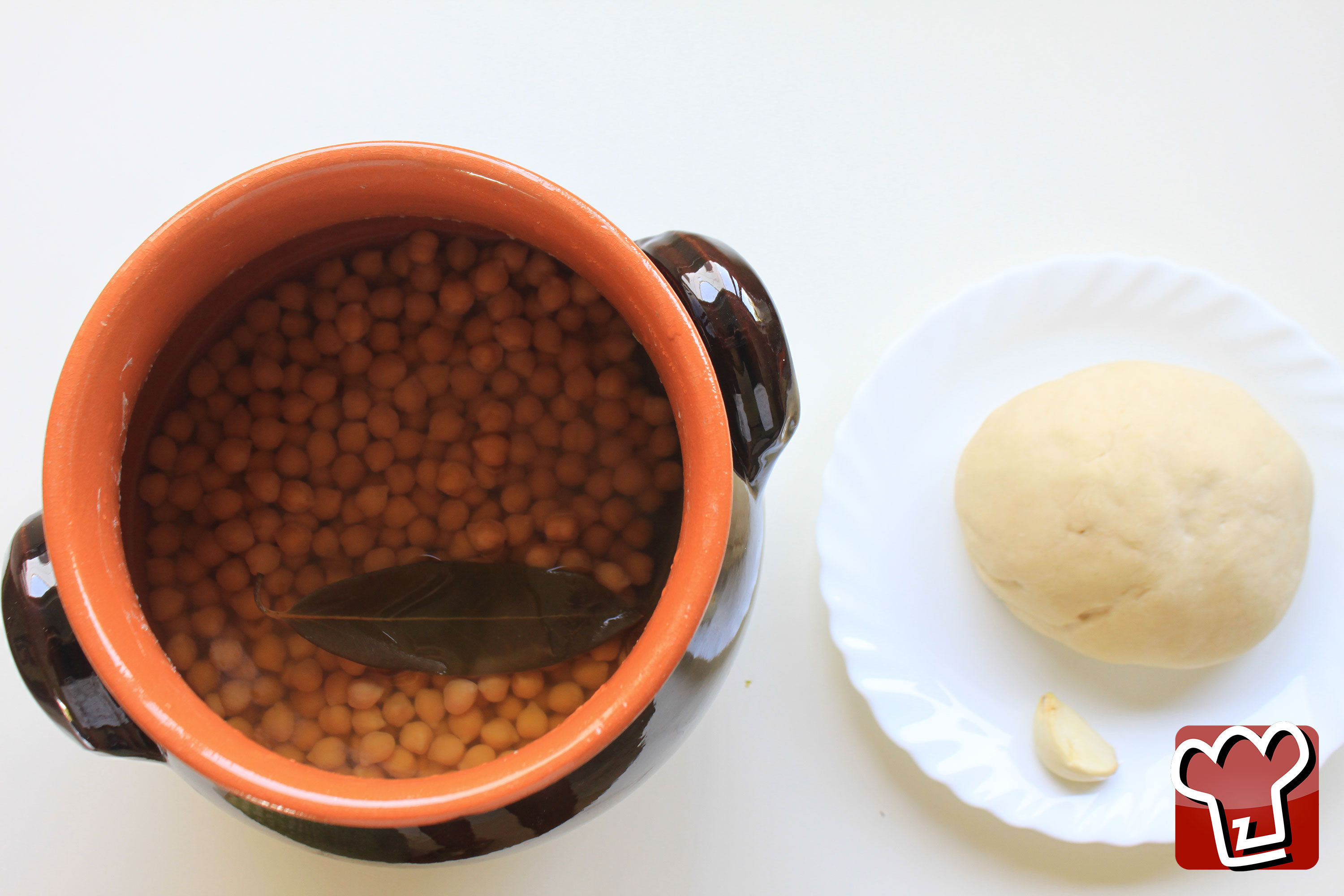
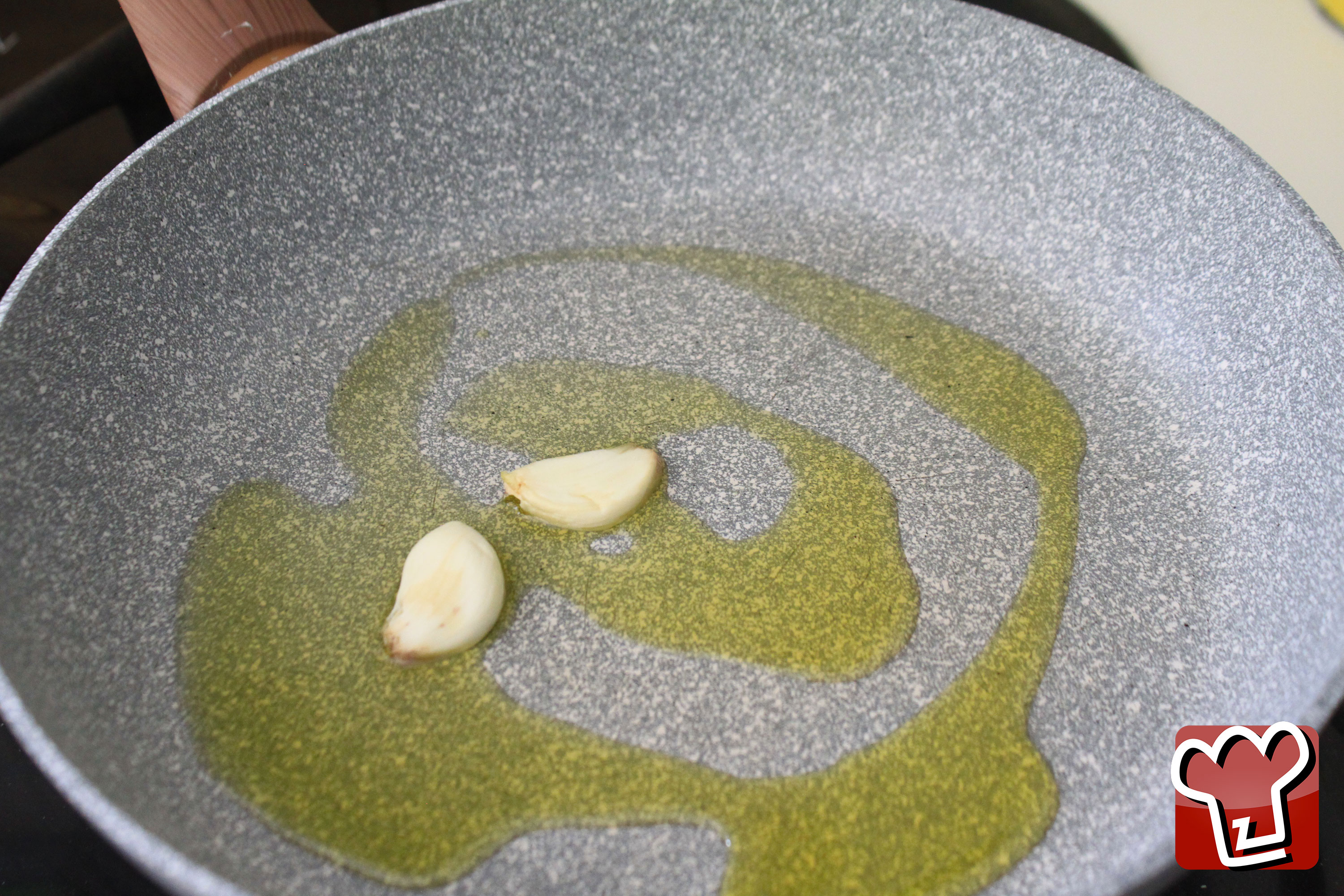
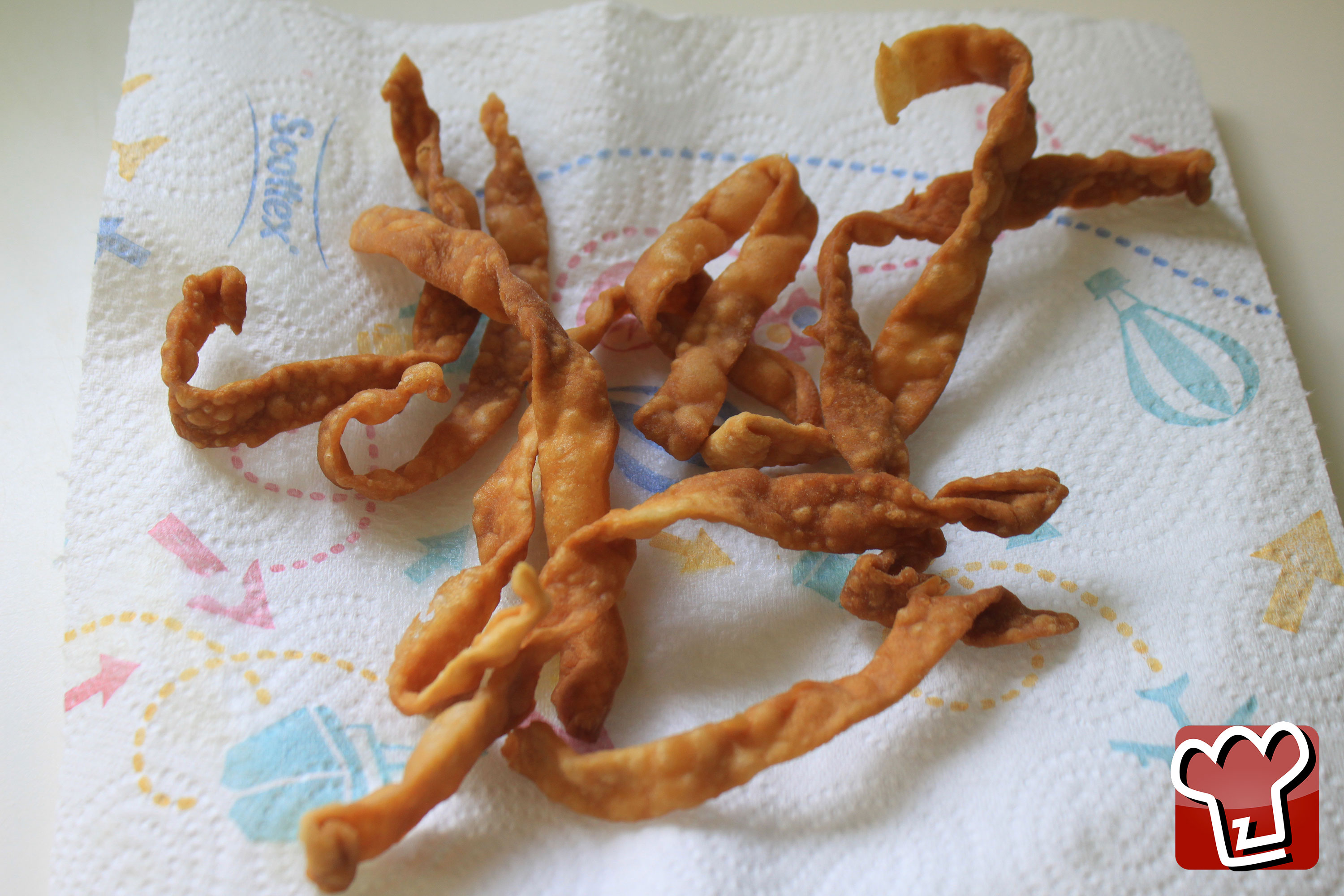
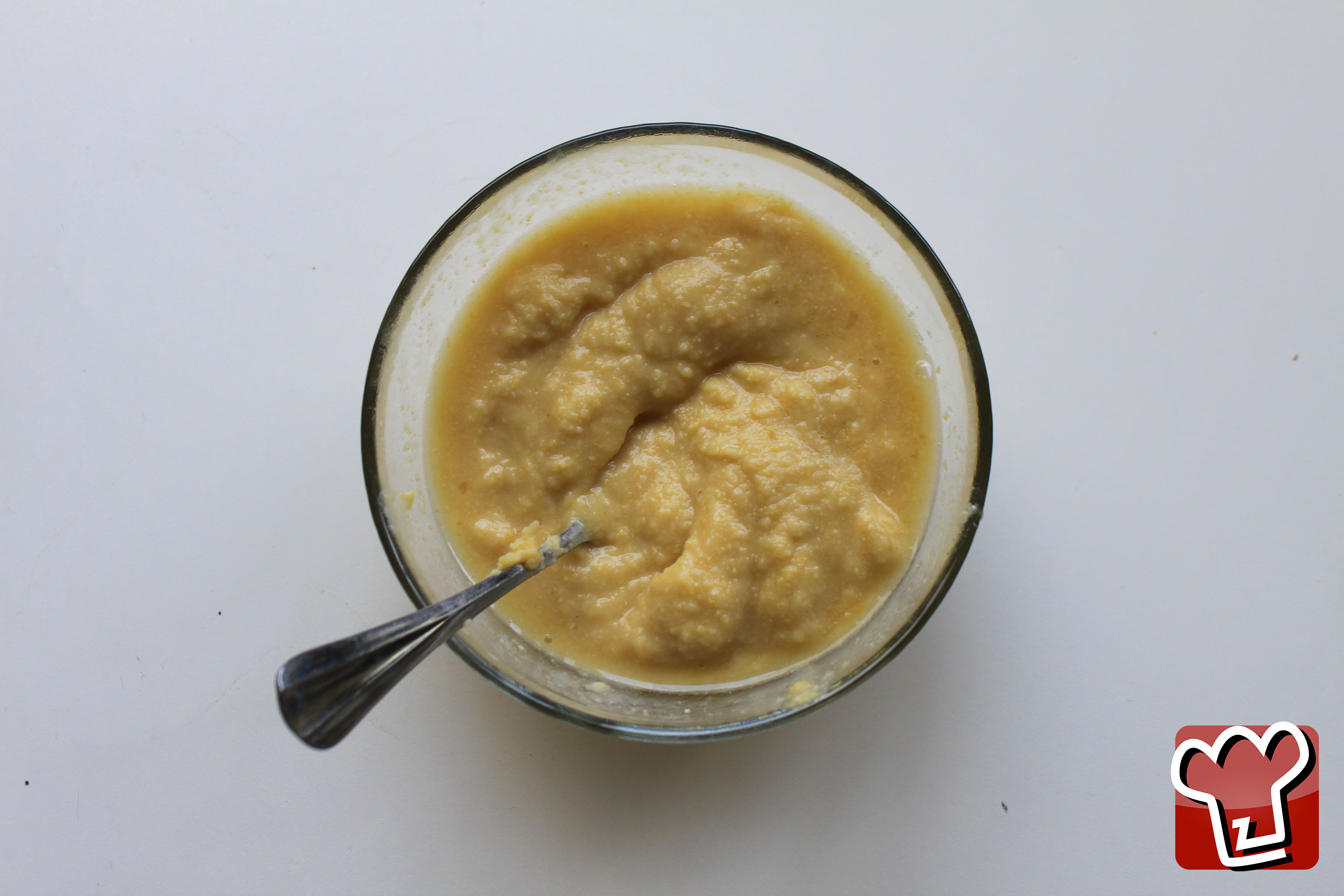
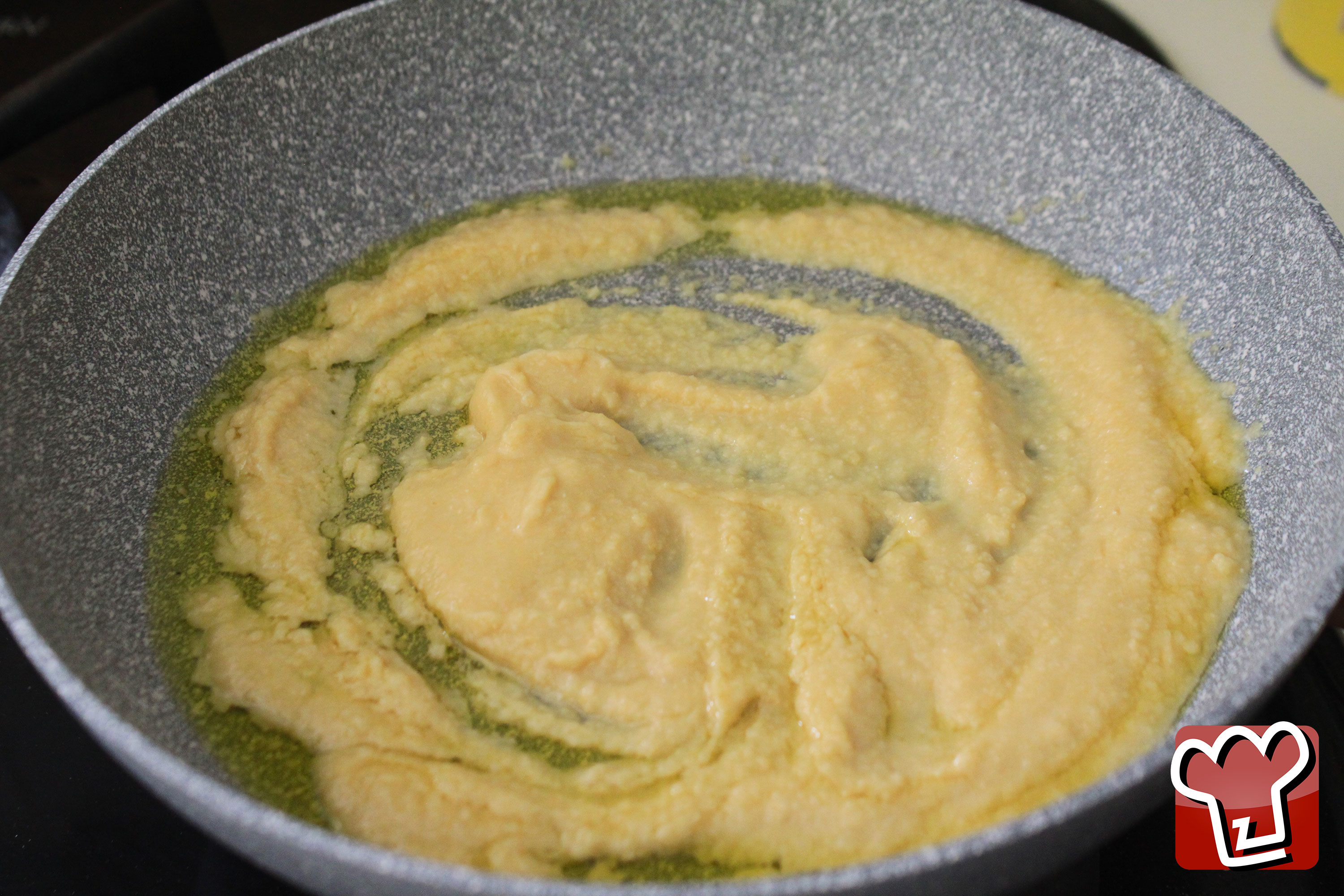
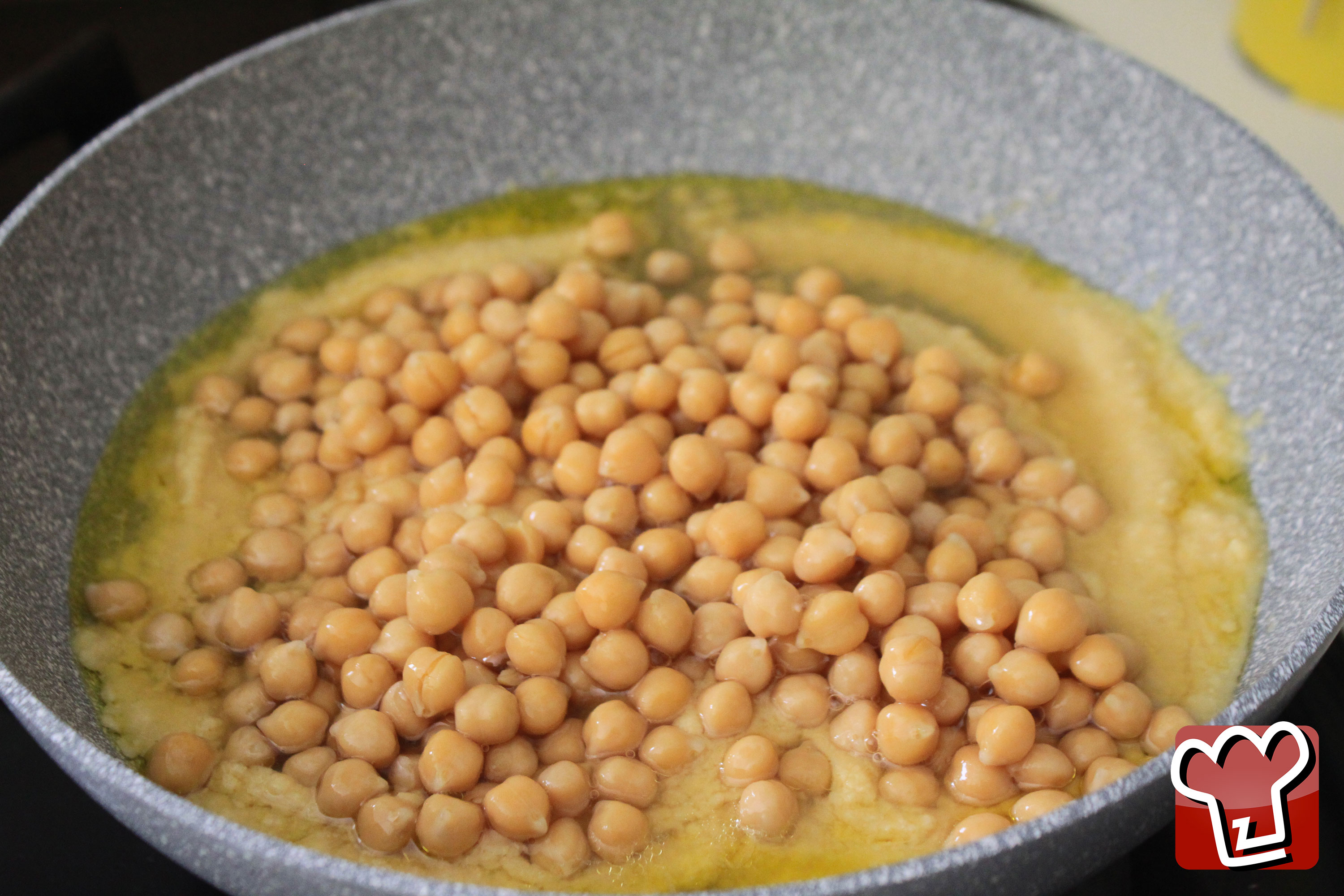
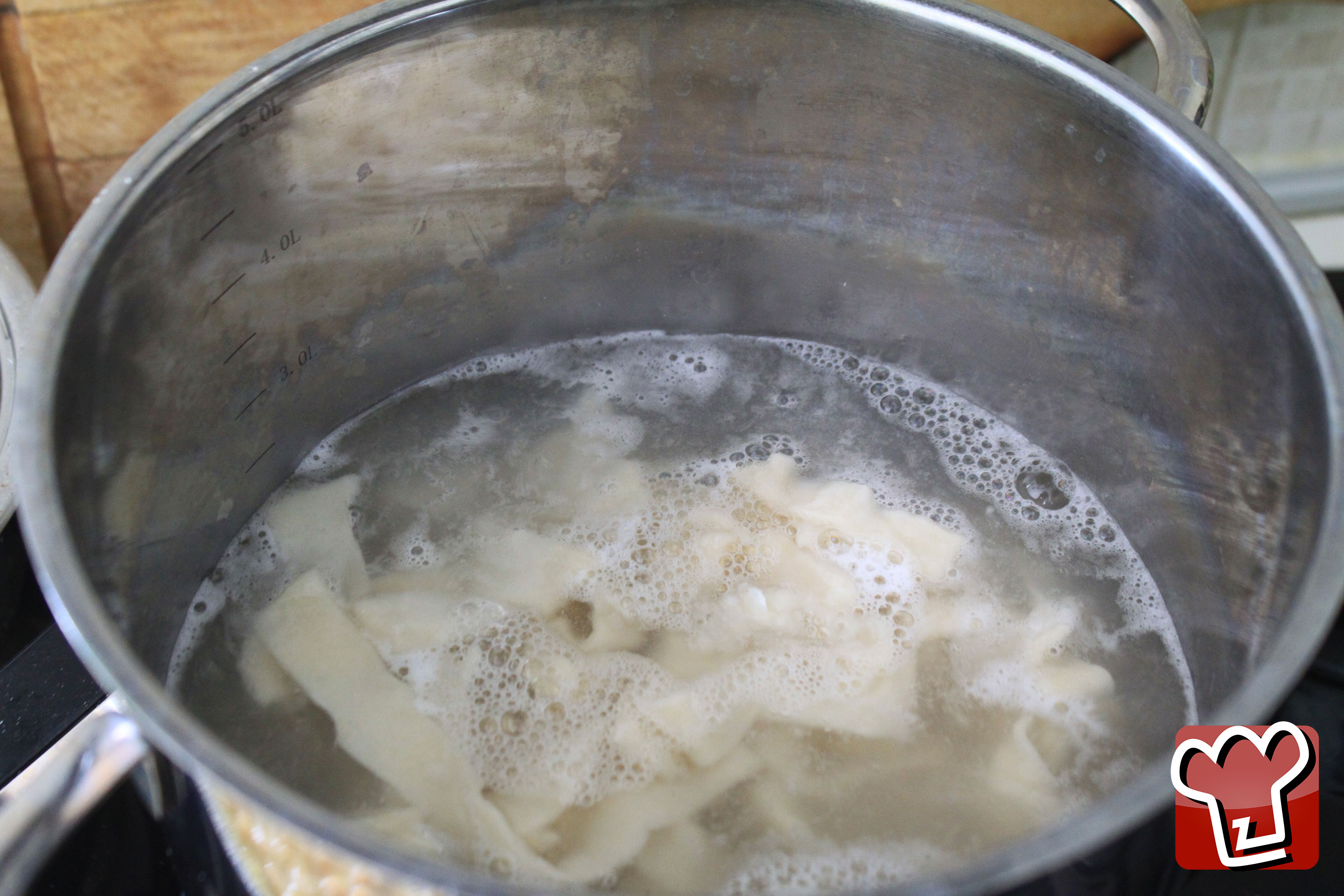
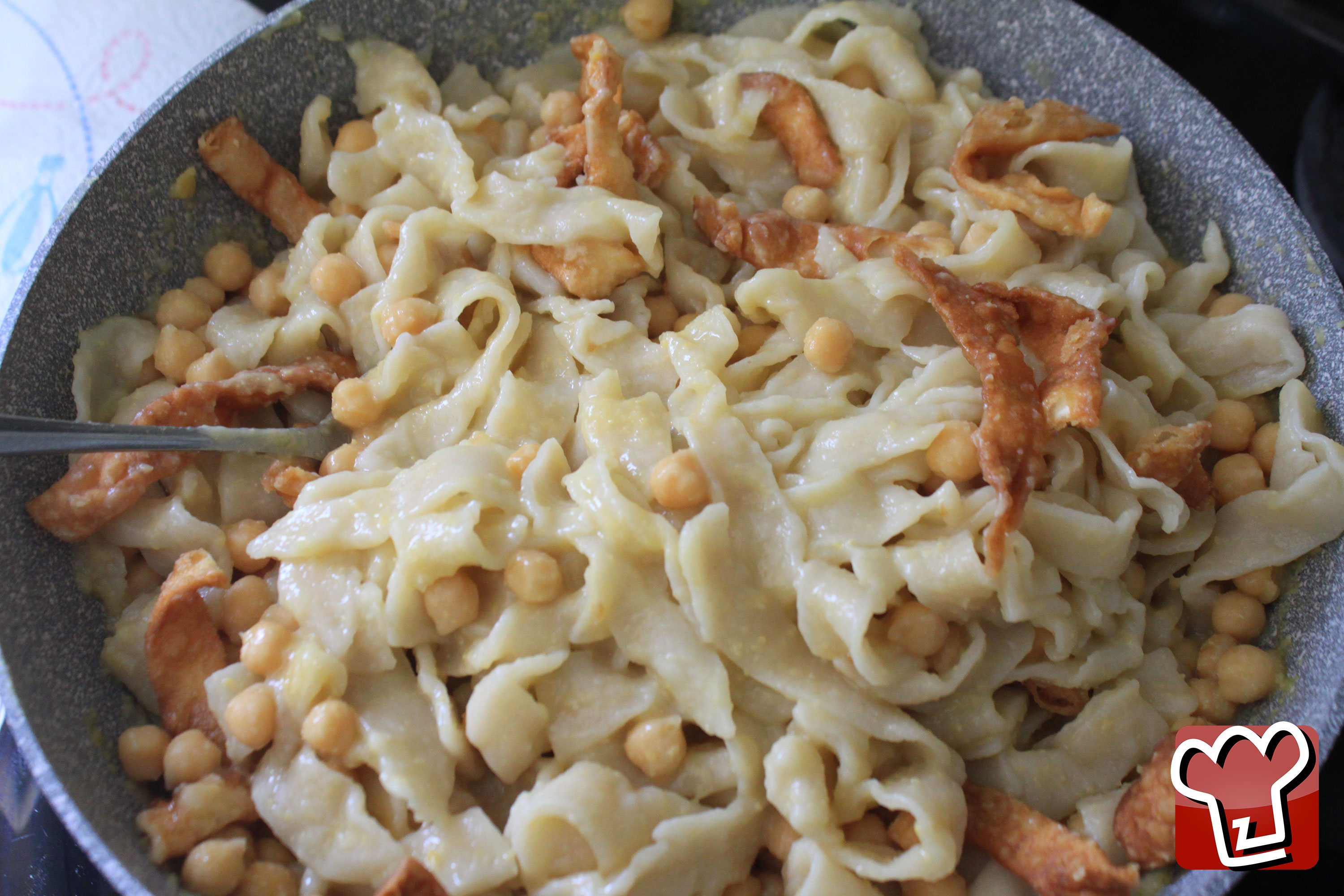
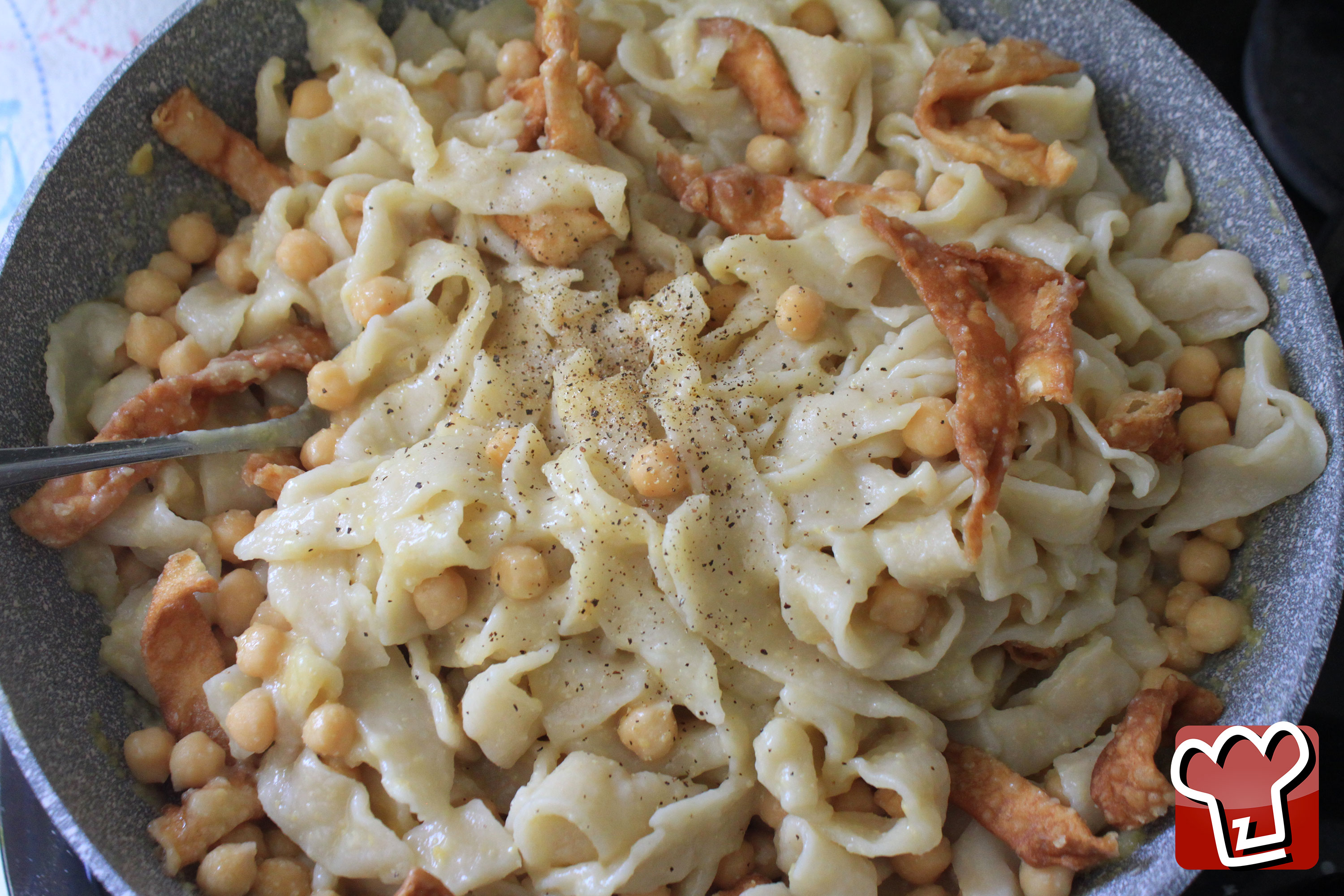
Soak the chickpeas in plenty of water the night before. The following day drain, rinse and then boil the chickpeas in plenty of water with two bay leaves. If possible, boil the chickpeas in a terracotta pot: they'll be ready in two hours. Meanwhile mix 300g of flour with 150ml of water, and from the prepared dough make the pasta strips ('tria'). Allow the dough to dry for about half an hour, then fry some of the strips in boiling oil. Set aside. Gently brown the garlic in some oil in a frying pan, then remove the garlic and discard. Blitz a couple tablespoons of the chickpeas with some stock and a little oil in an electric blender and add them to the pan. Add the remaining chickpeas. Cook the remaining pasta in salted boiling water, drain and add to the chickpea sauce. Finish with some black pepper and top with the strips of fried pasta. Serve after resting for a few minutes.
Step by step
|
View the step by step
|
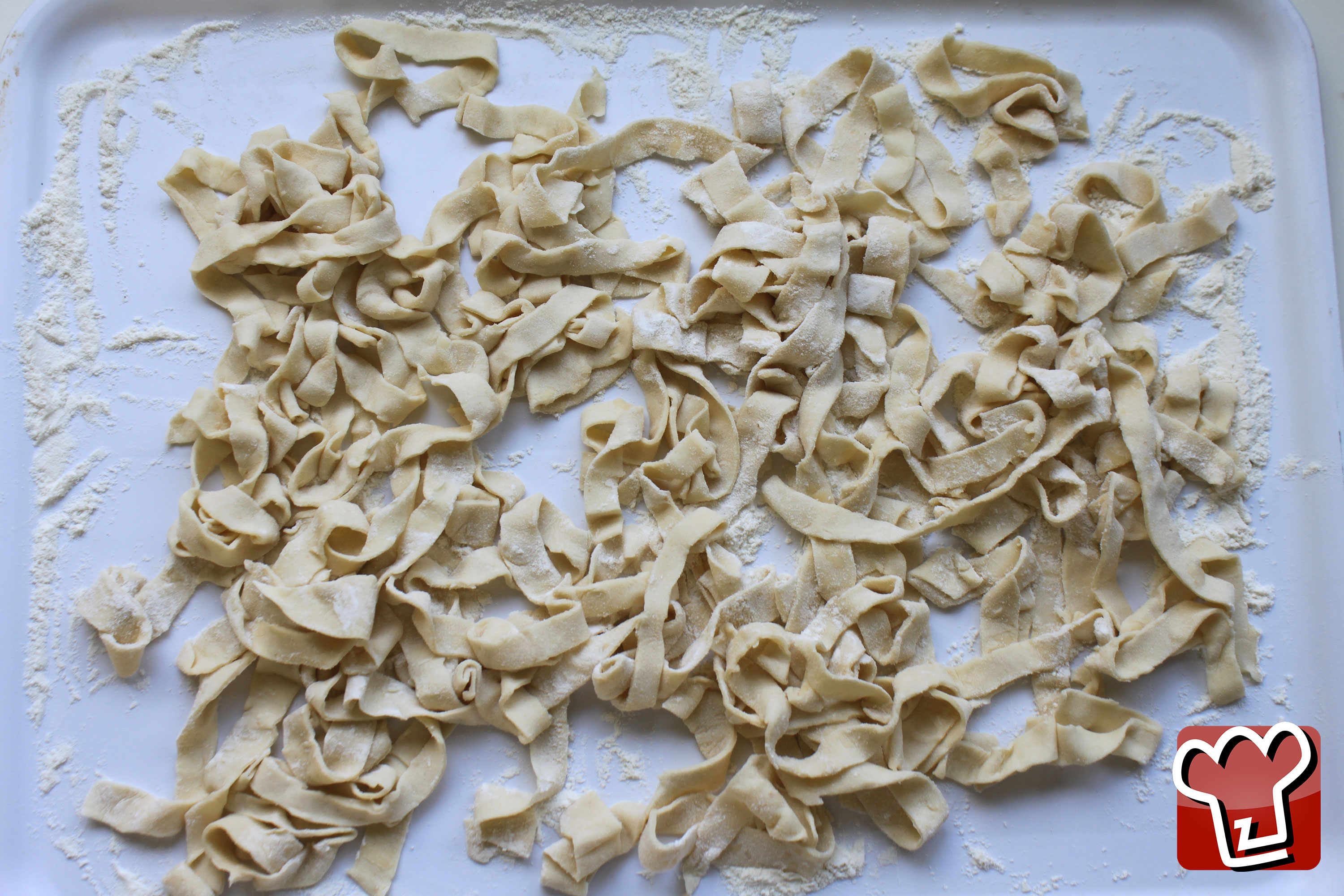
Make the 'tria' pasta shapes from the dough
|
|
View the step by step
|
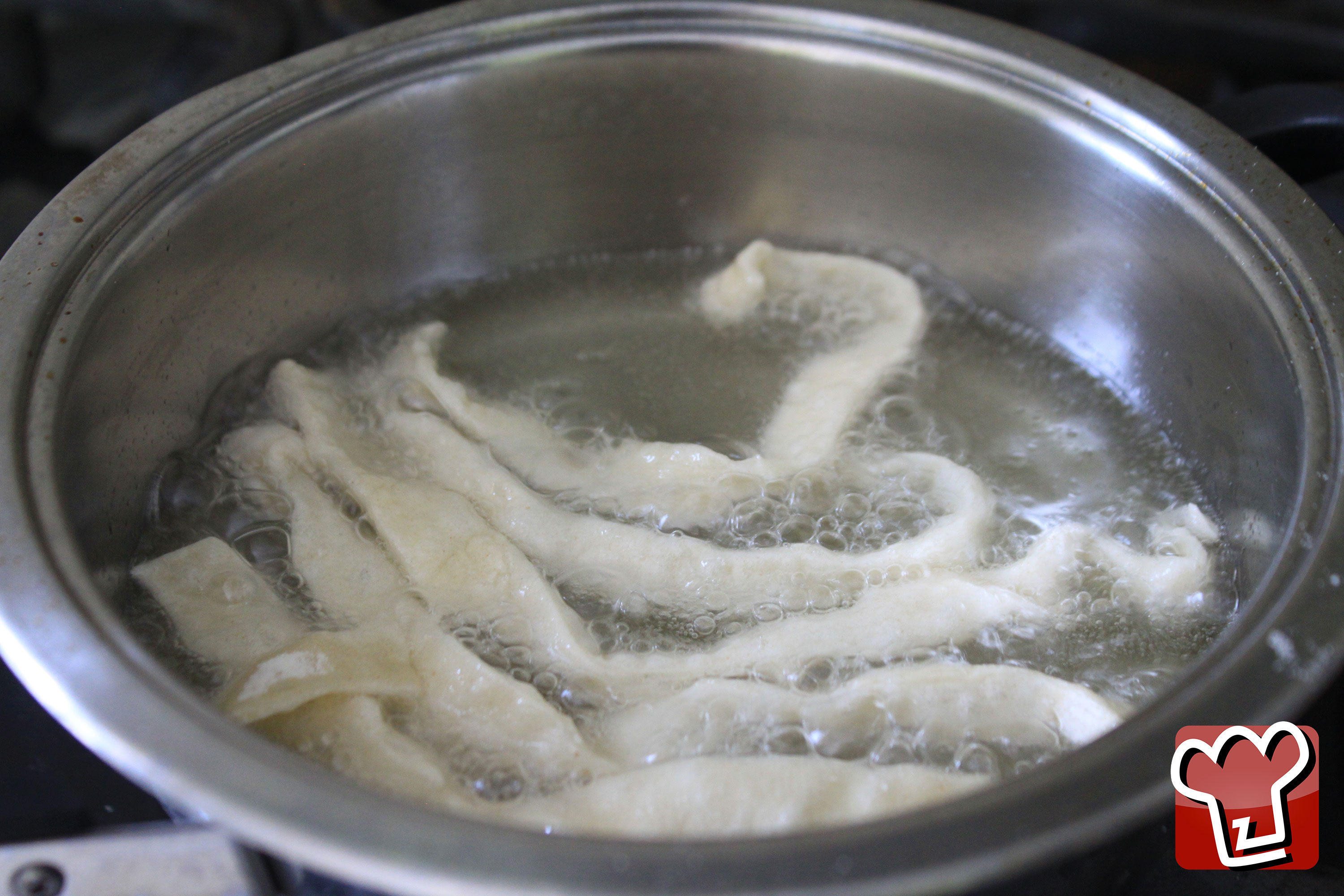
Fry a few strips of pasta in oil
|
|
View the step by step
|
Flavour the hot oil with the garlic in a frying pan
|
|
View the step by step
|
Set aside the fried pasta
|
|
View the step by step
|
Puree a few chickpeas with some stock and a little oil with an electric blender
|
|
View the step by step
|
Remove the garlic from the frying pan and then add the pureed chickpeas
|
|
View the step by step
|
Add the chickpeas
|
|
View the step by step
|
Cook the pasta in boiling water
|
|
View the step by step
|
Mix the chickpea sauce with the pasta
|
|
View the step by step
|
Add some pepper and leave to rest for a little while
|
|
View the step by step
|
Serve
|
Additional information
Chickpeas and Tria with Fried Pasta Strips
A delicious variant of Chickpeas and Tria includes the addition of fried pasta strips, which give the dish an irresistible crunch. To prepare this version, the pasta, called "tria," is cut into strips and fried in plenty of hot oil until golden brown. This technique not only enriches the texture of the dish but also creates a contrast of flavors between the soft chickpeas and the crunchy pasta. Additionally, you can choose to add spices like chili for a spicy touch. This recipe is perfect for those who love to experiment and make every meal a special moment. Serve the strips over the chickpeas and enjoy a dish that combines tradition and innovation in every forkful.
Chickpeas and Tria in the Apulian Style
This recipe for Chickpeas and Tria is a true symbol of Apulian cuisine. The chickpeas, essential ingredients, are slowly cooked with bay leaves, which give a distinctive aroma and enveloping flavor to the dish. The preparation of tria, on the other hand, is an art that has been passed down from generation to generation. In Apulia, it is common to see housewives kneading flour and water, creating a simple yet flavorful pasta. This Apulian variant is perfect for those who want to savor the culinary tradition of southern Italy, with a dish that tells the story and culture of a region rich in fresh and genuine ingredients.
Light Chickpeas and Tria without Frying
For those looking for a lighter version of Chickpeas and Tria, it is possible to prepare the pasta without frying it. In this variant, the strips of tria can be cooked in salted water or simply sautéed in a pan with a drizzle of oil and garlic. This method significantly reduces the calories of the dish while still maintaining the authentic flavor of the chickpeas and pasta. The light recipe is perfect for those following a healthy diet without sacrificing taste. Additionally, you can enrich the dish with seasonal vegetables, such as spinach or zucchini, for greater nutritional value and an even more colorful and appetizing dish.
Nutritional Benefits of Chickpeas in Chickpeas and Tria
The chickpeas, the main ingredients of this recipe, are a food rich in beneficial properties for health. They are an excellent source of plant-based protein and fiber, which promote digestion and help maintain a sense of fullness. Additionally, they contain B vitamins, iron, and antioxidants, which support the immune system. A serving of Chickpeas and Tria provides about 350-400 calories, depending on the preparation and ingredients used. Choosing to include chickpeas in your diet is a healthy choice, as they help reduce the risk of heart disease and improve overall health. This dish, therefore, is not only tasty but also a great addition to a balanced diet.
Can Chickpeas and Tria be Stored?
Storing Chickpeas and Tria is possible, but it requires some attention. If you have prepared a large quantity of this dish, you can store it in the refrigerator for up to 2-3 days. It is advisable to place the chickpeas and tria in airtight containers to prevent them from absorbing moisture or odors. Before consuming them, you can reheat them in a pan or in the microwave. However, if you have fried the tria, it is best to consume it fresh, as frying may make it less crunchy during storage. If you wish to freeze the dish, you can do so by separating the chickpeas from the pasta; the chickpeas freeze well, while the fried pasta may lose its texture. Be sure to label the containers with the date for easier use in the future.