Tempura
The tempura is a classic dish of Japanese cuisine, consisting of delicate morsels of either fish or vegetables fried in a special light batter made from flour and iced water. The difference between this tempura batter and normal batter is that because the water is ice cold this causes a thermal block, resulting in a finish that is crispier and lighter than usual. So, let’s learn the technique of frying tempura: we are going to indulge ourselves and apply it to various types of vegetables and fish. You’re always going to have near at hand a winning idea for an unusual appetizer or a delicious starter for lunch or dinner with your guests. Either way you'll make a great impression .... To get perfect tempura just follow our recipe, accompanied by the video and photos showing all the steps taken by our chef... So, now is the time to make perfect tempura together!
Ingredients
* approximate values per serving
Preparation
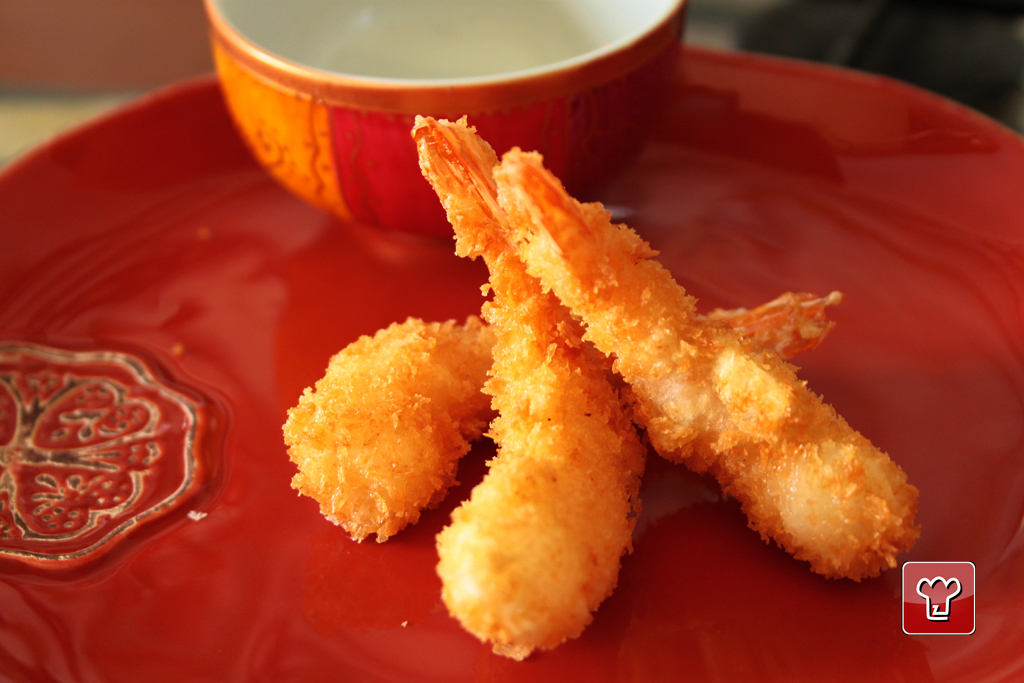
Peel the prawns. Prepare a batter with rice flour and iced water mixed together so as to make it quite lumpy. Put some very coarse breadcrumbs on a plate. Then dip the prawns in the batter and then immediately in the breadcrumbs. Heat the oil and deep fry the prawns in the tempura batter. Serve with the hot dashi stock in a small bowl.
Step by step
|
View the step by step
|
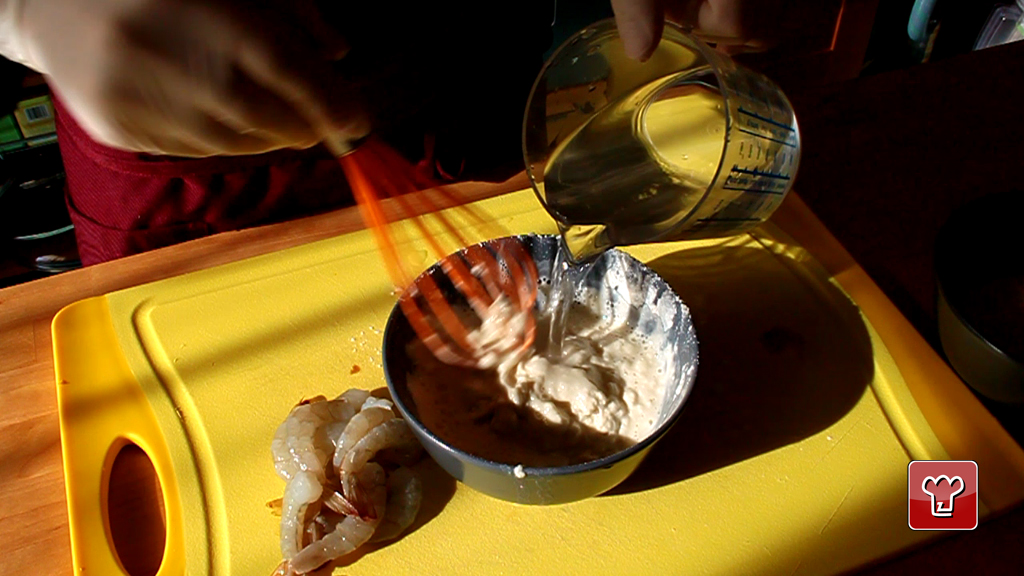
Make a batter with rice flour and iced water so as to leave it fairly lumpy
|
|
View the step by step
|
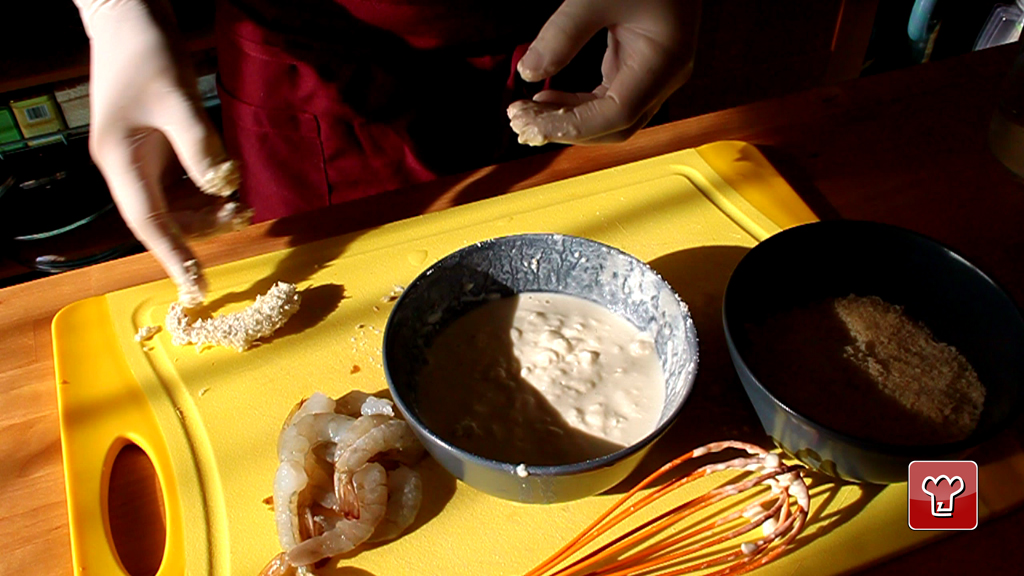
Dip the shelled prawns in the batter and then in some breadcrumbs suitable for tempura
|
|
View the step by step
|
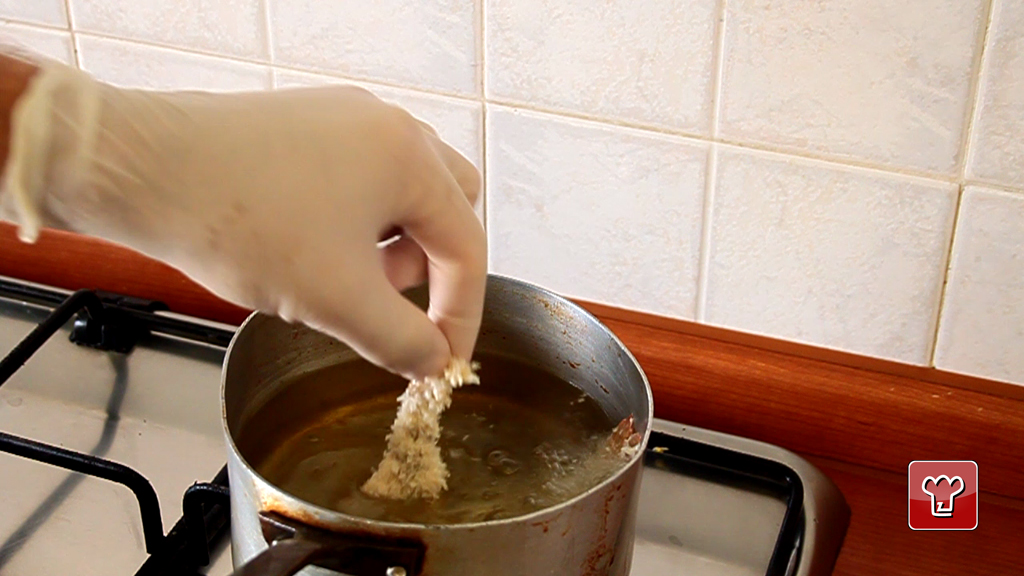
Fry the battered and breaded prawns
|
|
View the step by step
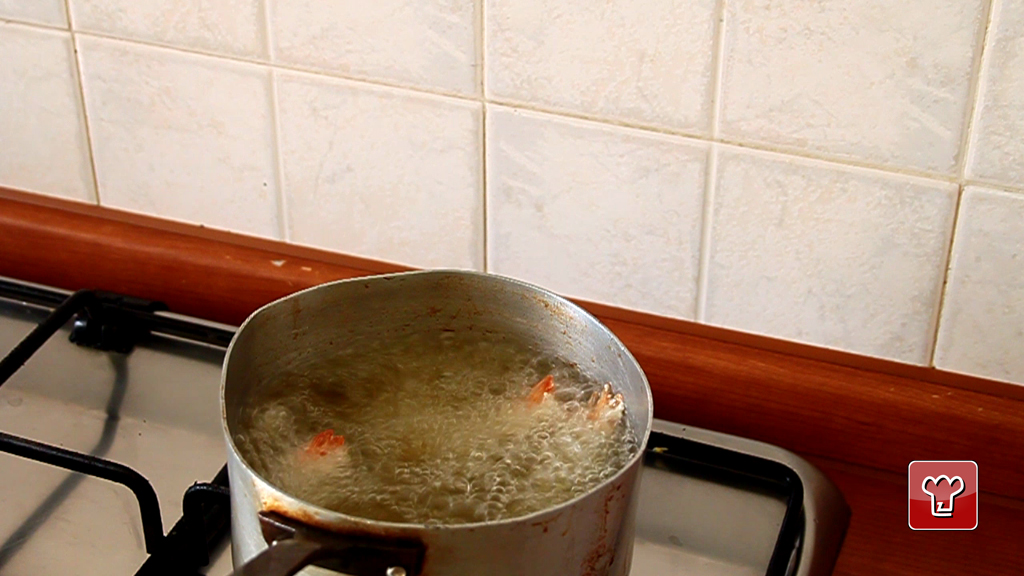
|
Let the prawns fry until they are noticeably golden
|
|
View the step by step
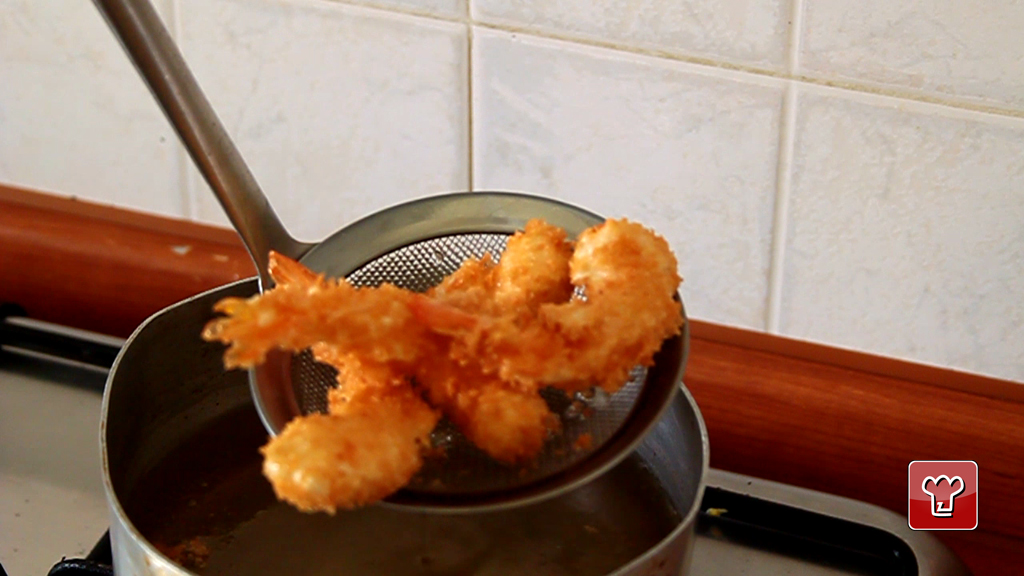
|
Drain the prawns of the oil once they are nicely golden
|
Additional information
Tempura of Prawns with Coarse Breadcrumbs
One of the tastiest variations of tempura is the one that uses prawns, a type of shrimp with a delicate flavor and juicy texture. To prepare tempura of prawns, it is essential to use a light batter made with rice flour and ice-cold water, which allows for a unique crispiness. After peeling the shrimp, they are dipped in the batter and then in the coarse breadcrumbs, which add a rustic and crunchy texture. This dish is ideal to serve as an appetizer or as a main course, accompanied by a warm dashi broth, which further enhances the flavors of the sea. Tempura of prawns is perfect for those who love fried preparations but want to maintain a certain balance in flavors.
Japanese-Style Tempura of Prawns
Tempura of prawns is a typical preparation of Japanese cuisine, famous for its lightness and crispiness. Unlike other fried dishes, tempura stands out for its use of a batter made with rice flour, which gives the shrimp incredible lightness. The frying technique occurs in hot oil, sealing the juices inside the shrimp and creating a golden crust on the outside. This dish is often served with a bowl of warm dashi broth, which further enriches the gastronomic experience. Its delicate flavor and lightness make it a popular choice for those who wish to try Japanese cuisine at home.
Light Tempura of Prawns with Rice Flour
For those looking for a lighter option, tempura of prawns can be prepared in a diet version, always maintaining the taste and crispiness. By using rice flour and ice-cold water, it is possible to achieve a light batter that does not weigh down and reduces oil absorption during frying. It is advisable to fry in sunflower oil, which has a higher smoke point, allowing for frying at high temperatures without compromising health. This light version of tempura is perfect for those who want to enjoy a tasty dish without guilt, keeping an eye on their diet.
Nutritional Benefits of Prawns in Tempura
Prawns, the main ingredient in tempura, are an excellent source of lean protein and contain few fats. They are rich in essential nutrients such as selenium, which plays an important role in immune system health and protects cells from oxidative stress. Additionally, prawns also provide omega-3 fatty acids, known for their cardiovascular benefits. A serving of tempura of prawns provides about 200 calories, depending on the amount of oil used in frying. By choosing to prepare tempura in a light way, one can enjoy all the benefits of prawns without excessive calories.
Can Tempura of Prawns Be Frozen?
Tempura of prawns can be frozen, but there are some important considerations to keep in mind. It is advisable to freeze the already fried shrimp before serving them, to preserve their crispiness. Once cooled, they can be stored in an airtight container or a food bag, taking care to separate the individual pieces to prevent them from sticking together. When you want to consume them, simply reheat them in the oven at a low temperature to regain their original crispiness. However, it is important to note that the quality of the tempura may suffer from freezing, so it is always best to consume it fresh when possible.