Panettone
Panettone is the quintessential Milanese – and Italian - Christmas dessert: this dazzling leavened cake, decorated with orange peel, candied fruits and raisins, makes its appearance invariably every year during the Italian holiday season. It seems that panettone has its origins back in the Middle Ages, at the time of the Sforza family: the "Pan del Toni" was made for the first time by a kitchen boy – Toni - who worked at the court of Ludovico il Moro. Not having another dessert available and conscious of the risk he was taking, Toni served the court his own cake and it was a real success. Since then, the cake has come a long way, has spread throughout Italy and is also produced industrially. But would you like to compare the convenience of buying it at the supermarket, with the pleasure of making it at home? Well, let’s see how to do it ...
Ingredients
* approximate values per serving
Preparation
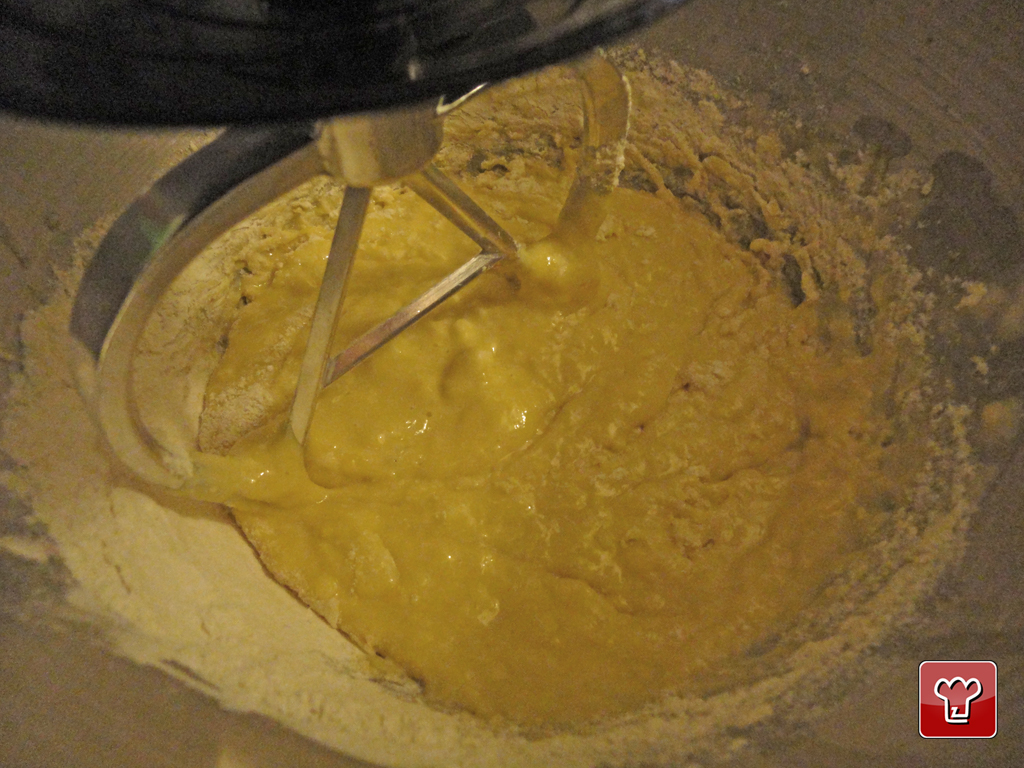
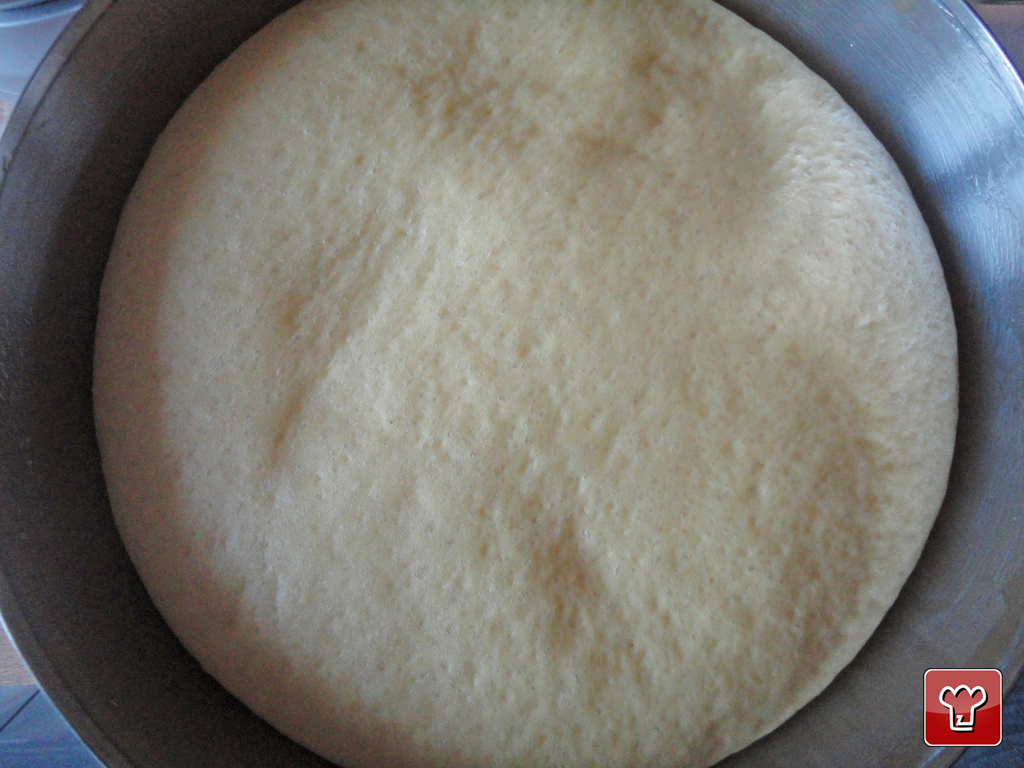
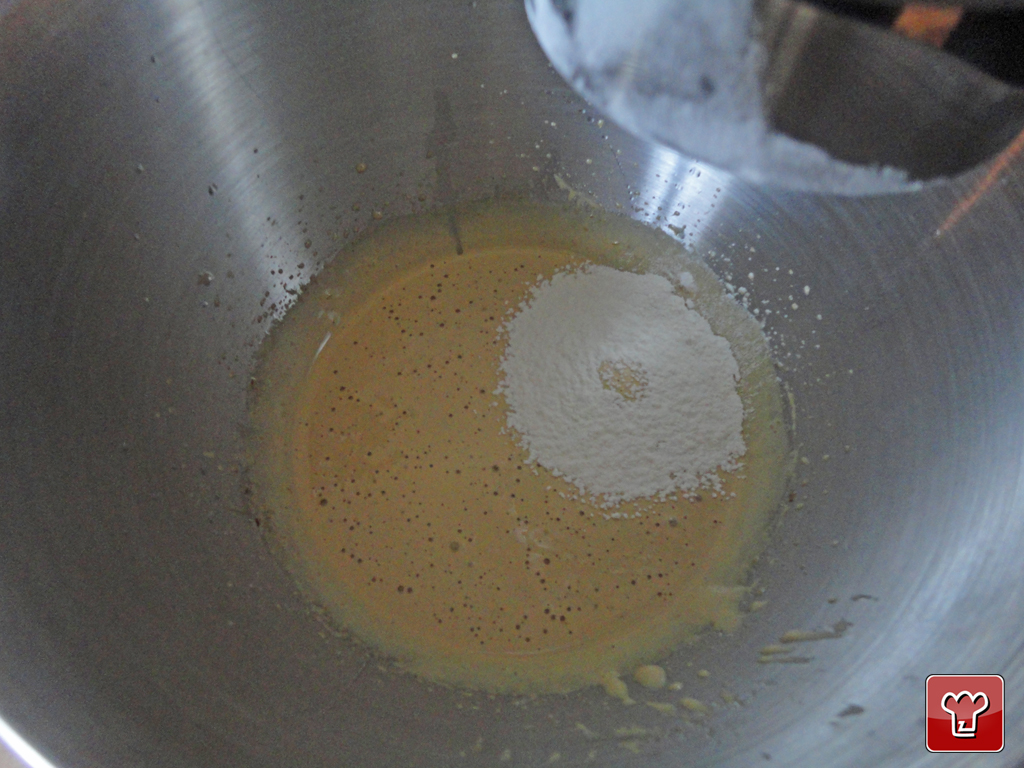
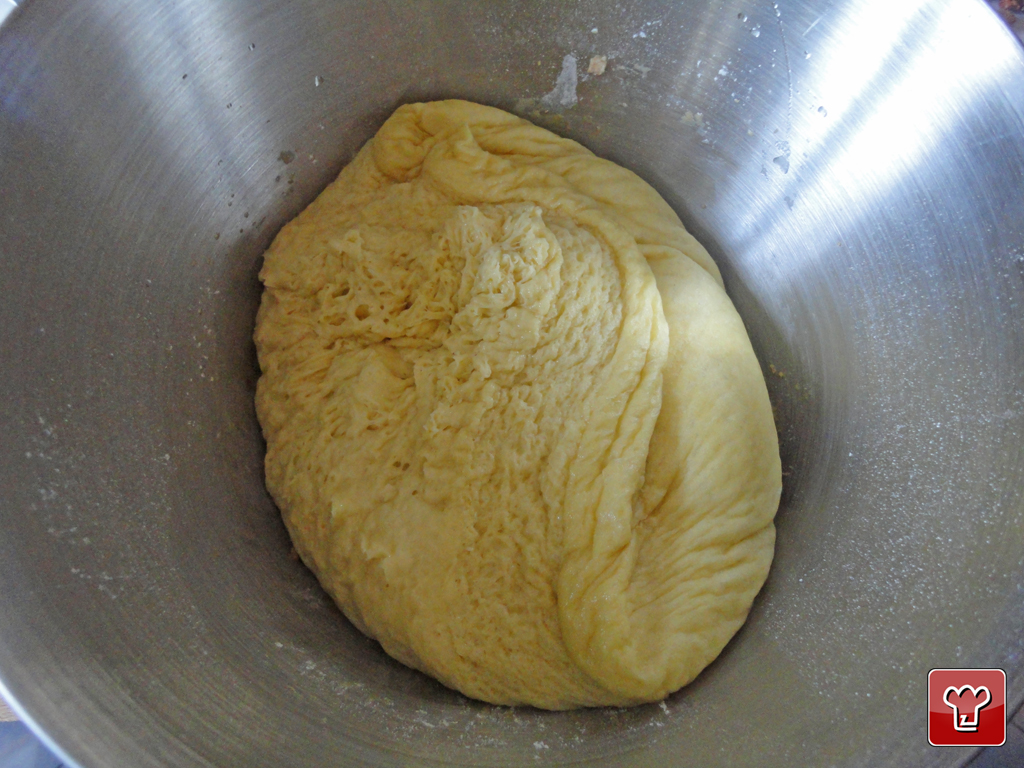
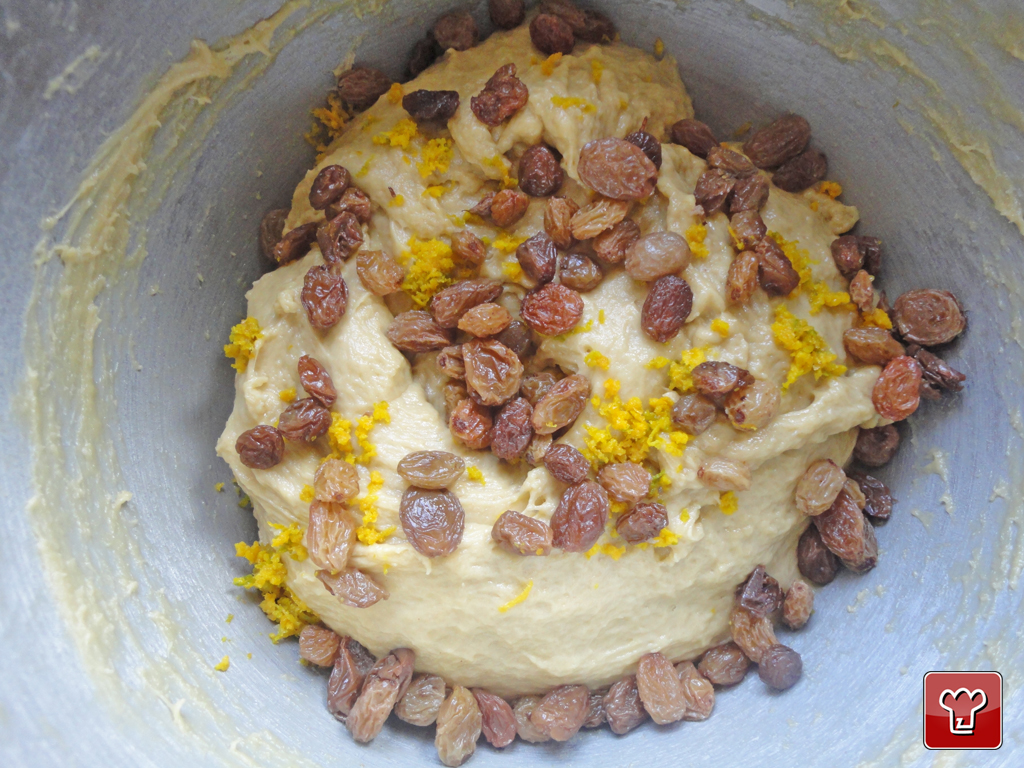
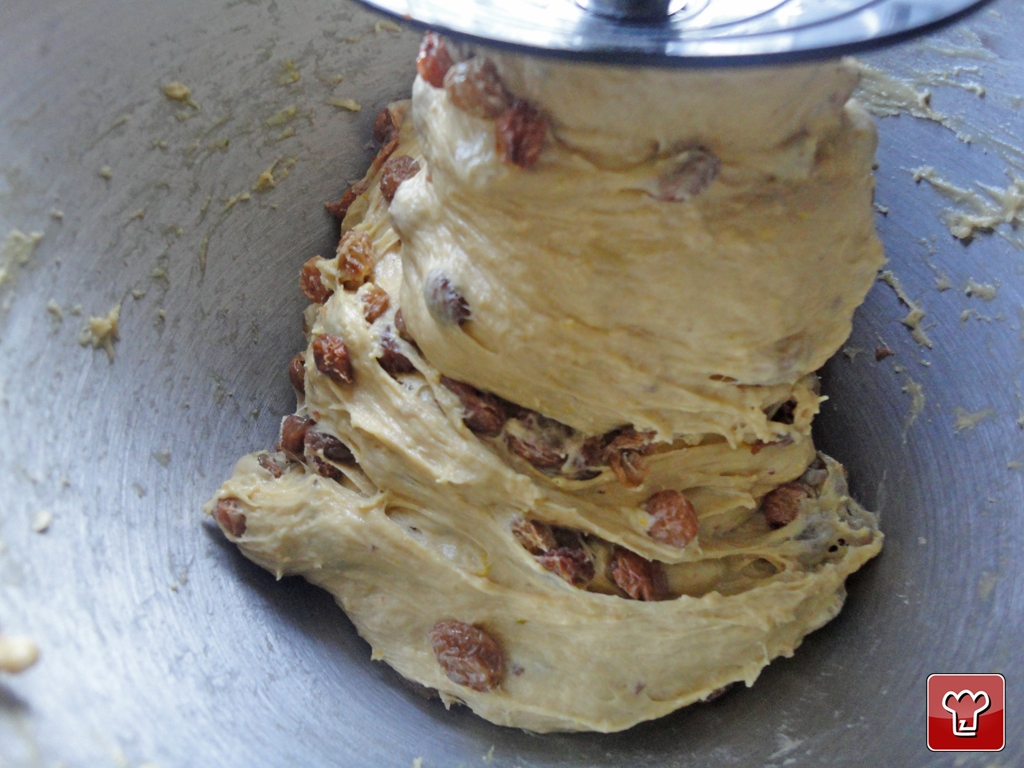
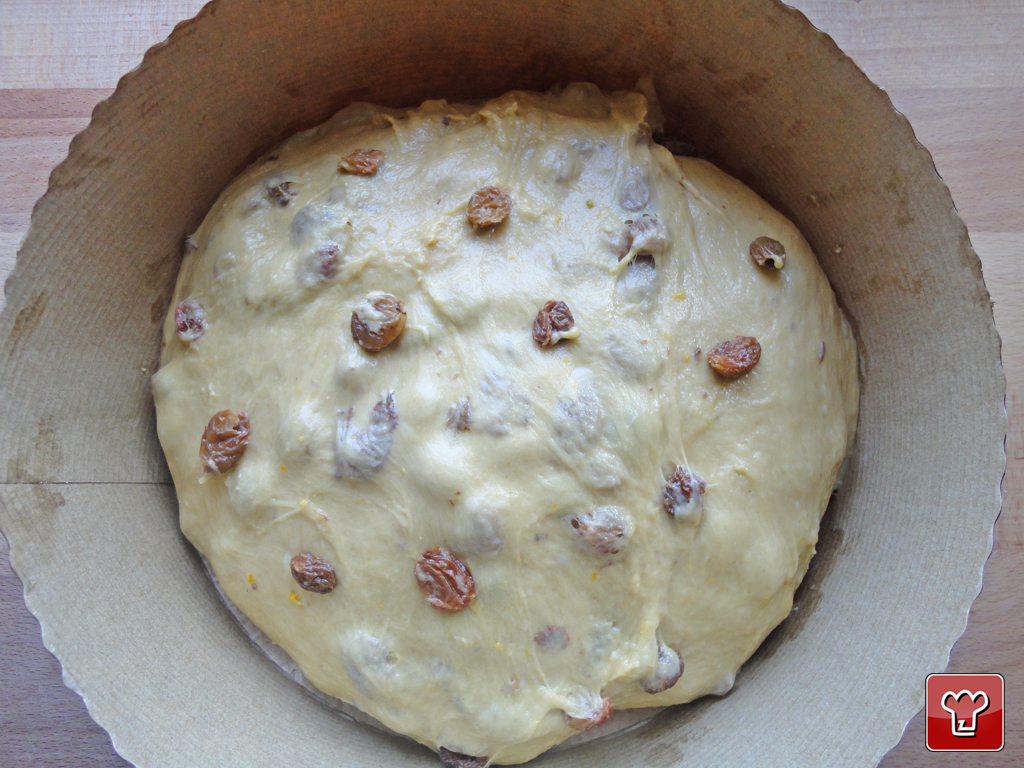
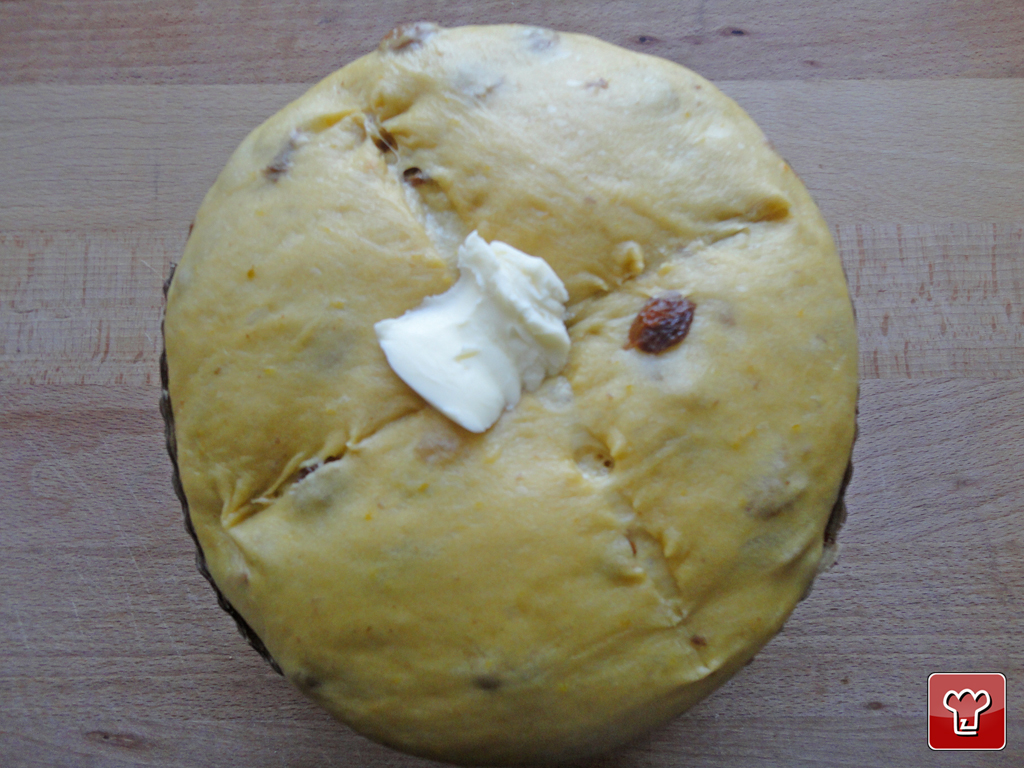
FIRST DAY Beat two egg yolks with 45 grams of sugar, then gradually add 85 ml of milk and yeast. Sift in 180g of flour and mix at medium speed for about 10 minutes. Add 45g of butter, combine well and transfer the dough to a large bowl greased with butter. Let it rest in a warm place for at least 10 hours, until the dough is tripled in size. SECOND DAY Mix together 25 ml of milk, 15g of sugar, honey, 2 eggs, malt and vanilla seeds. Beat everything together and add the salt towards the end. Add 90g flour and the previous day’s mixture, and mix everything well. Add the pieces of softened butter and combine well, and finally the candied fruit and raisins which have been soaked in warm water and then drained. Transfer everything into a large greased bowl and let stand for about 30 minutes. Shape into a smooth ball and transfer the dough into a large paper cup for holding panettone. Let it rise in a warm place until the dough has reached the edge of the mould (about 6 hours). Make a cross in the surface of the cake, place a knob of butter in the centre and bake at 200 °C for the first 10 minutes and 180 °C for the next 30-35 minutes. Check that it’s cooked and let it cool completely upside down on a cooling rack.
Step by step
|
View the step by step
|
Transfer the dough to a greased bowl and leave to rise for 10 hours
|
|
View the step by step
|
Make the second dough, combining the sifted flour
|
|
View the step by step
|
Combine the first dough with the second
|
|
View the step by step
|
Add the soaked and drained raisins
|
|
View the step by step
|
Mix all the ingredients
|
|
View the step by step
|
Transfer the dough to a panettone casing and leave to rise for at least 6 hours
|
|
View the step by step
|
Put in the oven to bake only when the dough has risen to the edge of the casing. Make a cross on the centre of the dough and put a knob of butter in it
|
|
View the step by step
|
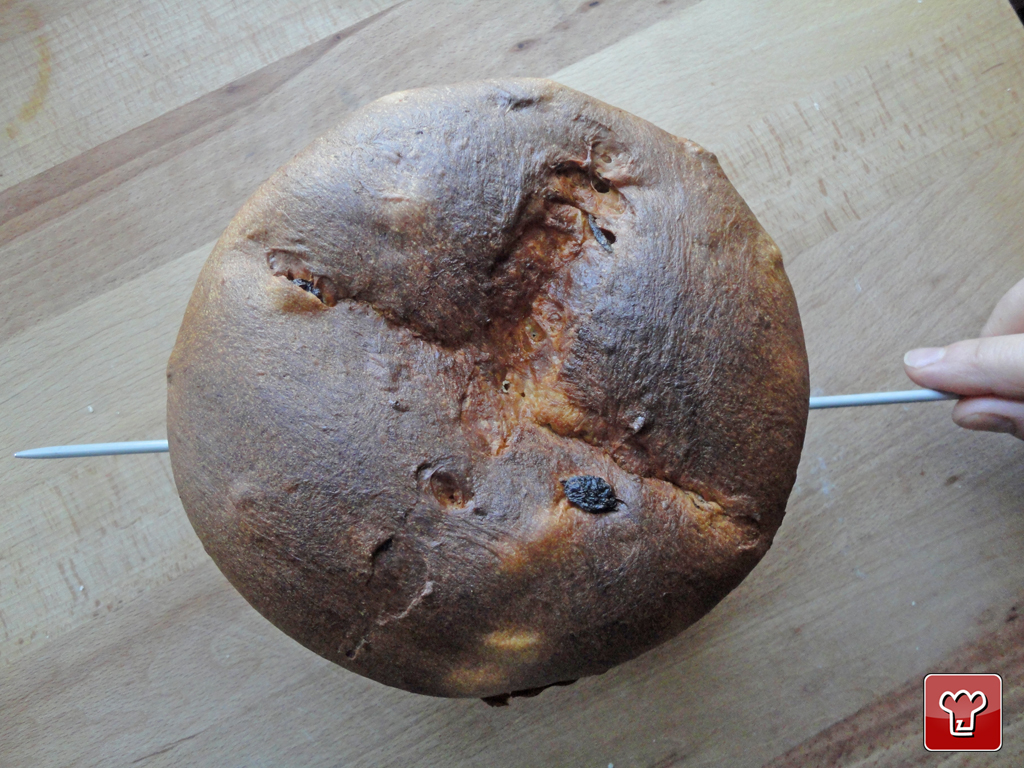
As soon as it is out of the oven, pierce with a knitting needle and leave to cool upside down
|
|
View the step by step
|
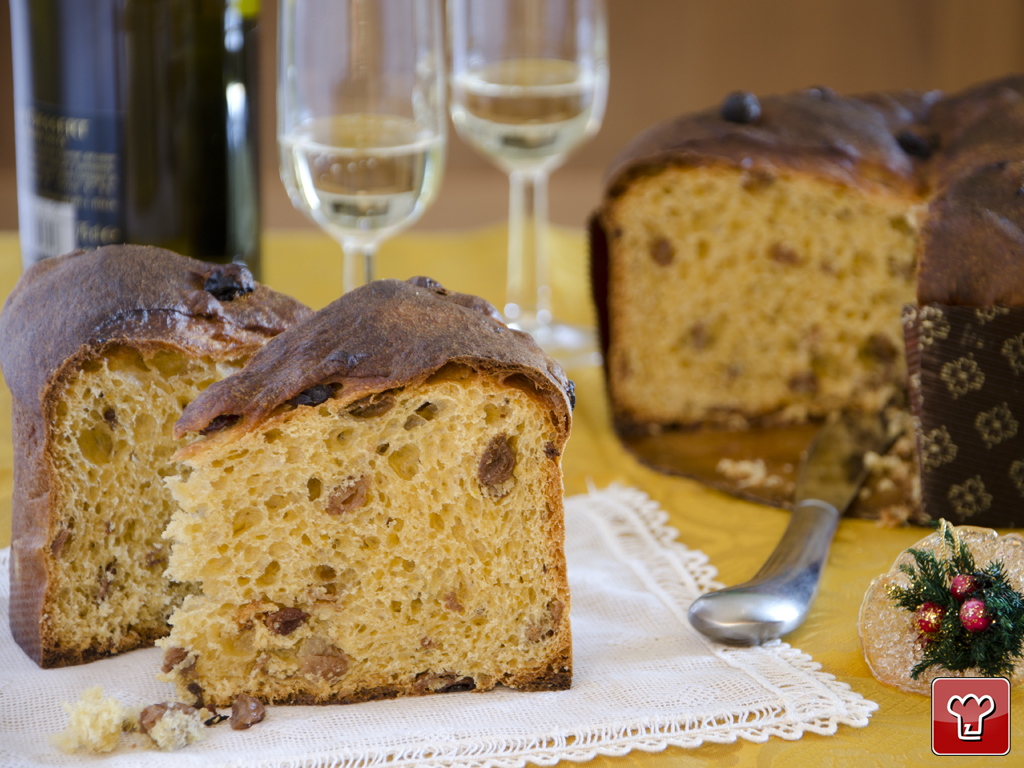
Serve this traditional Christmas panettone
|
Additional information
Panettone with sultana raisins and candied fruit
One of the most appreciated variations of Panettone is certainly the one with sultana raisins and candied fruit, which enriches the sweet bread with a unique sweetness and freshness. The raisins, with their softness, pair perfectly with the candied fruit, creating a contrast of textures that makes every bite a true delight. To prepare this version, it is important to use high-quality ingredients and carefully follow the rising times, so that the Panettone can develop its characteristic air pockets. The combination of sultana raisins and candied fruit not only adds flavor but also makes the sweet bread ideal for the holidays, bringing a touch of tradition and conviviality to Italian tables.
Lombard Panettone
The Lombard Panettone is the traditional preparation that has its roots in Milanese gastronomic culture. This sweet bread, a symbol of Christmas, is characterized by a soft and fragrant dough, enriched with typical ingredients from Lombardy. The original recipe calls for the use of sourdough, which gives the Panettone an unmistakable fragrance, and a long rising time that can last up to two days. Its tall and characteristic shape makes it a spectacular dessert, perfect for presentation during the festivities. Preparing a Lombard Panettone requires patience and dedication, but the final result greatly rewards the efforts, offering a sweet bread that tells the story and traditions of a region.
Light Panettone without butter
For those who wish to enjoy Panettone without giving up a balanced diet, there is the light version, prepared without butter. This alternative uses lighter ingredients, such as seed oil, to maintain the softness of the dough. Additionally, the amount of sugar can be reduced by using natural sweeteners, without compromising the flavor. The light Panettone is ideal for those following a controlled diet but still want to indulge in a moment of sweetness during the holidays. The preparation remains similar to the traditional one, with the only difference being that the absence of butter allows for a reduction in calories, making this sweet bread lighter and easier to digest.
Nutritional benefits of Panettone and approximate calories
Panettone, while being a rich and caloric dessert, also offers some nutritional benefits thanks to the ingredients used. For example, Manitoba flour is a source of complex carbohydrates, while eggs provide high-quality proteins. The raisins and candied fruit contribute antioxidants and vitamins, aiding in a balanced diet. However, it is important to be aware of the calories: a traditional Panettone can contain between 350 and 450 calories per 100 grams. Therefore, it is advisable to enjoy it in moderation, perhaps as part of a festive meal, to fully appreciate its flavor without overindulging in portions.
How to store Panettone?
One of the most common questions concerns the storage of Panettone. To maintain the freshness and softness of this sweet bread, it is essential to store it in a cool, dry place, away from heat and humidity sources. It is advisable to place it in a plastic bag or a tin box to protect it from air. In this way, the Panettone can retain its fragrance for several weeks. If you wish to store it for a longer period, it can also be frozen. In this case, it is better to slice it first and wrap each slice individually to facilitate later consumption. Thawing the Panettone is simple: just leave it at room temperature for a few hours before enjoying it.