Housewife’s Easter cake ‘colomba’
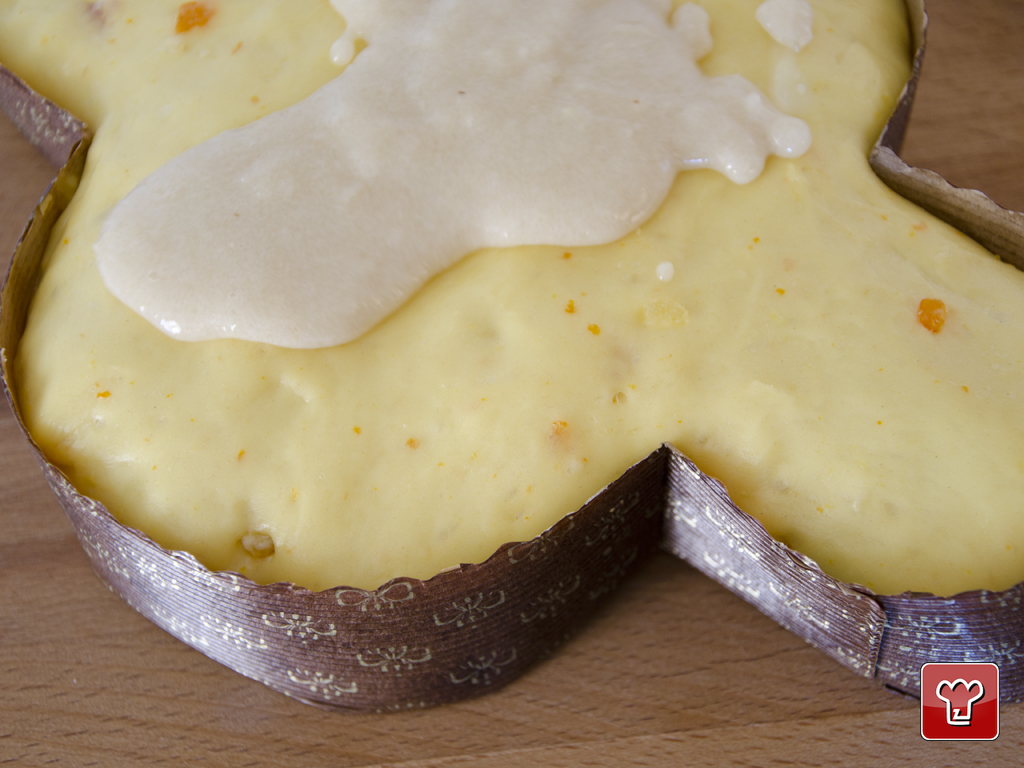
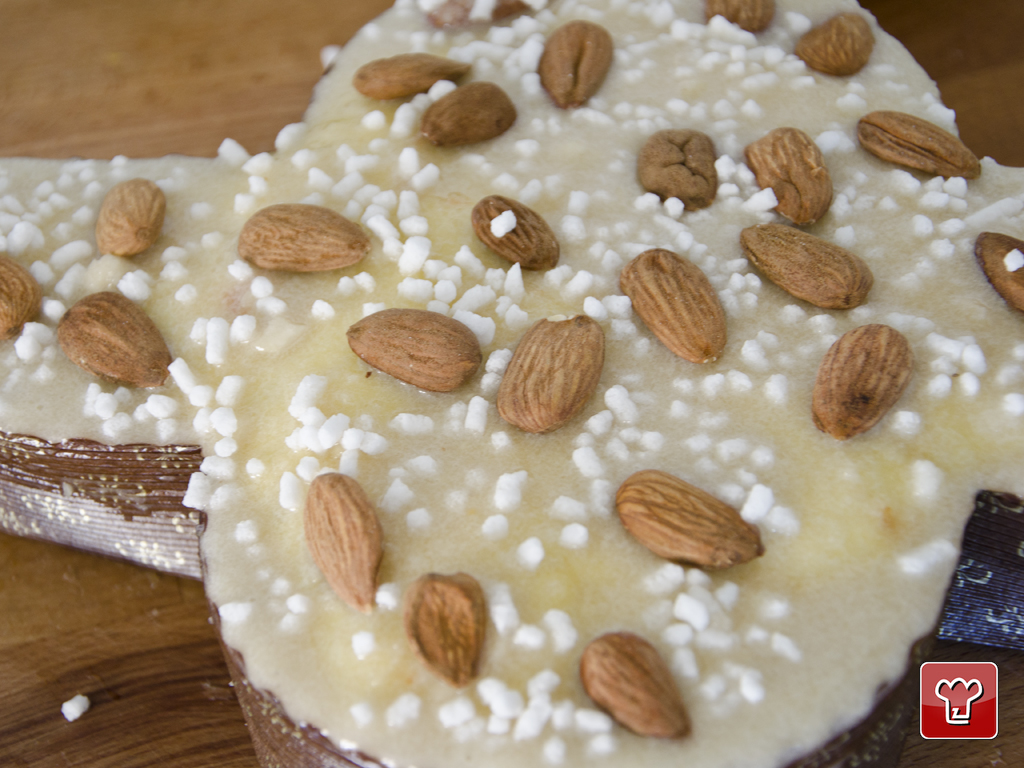
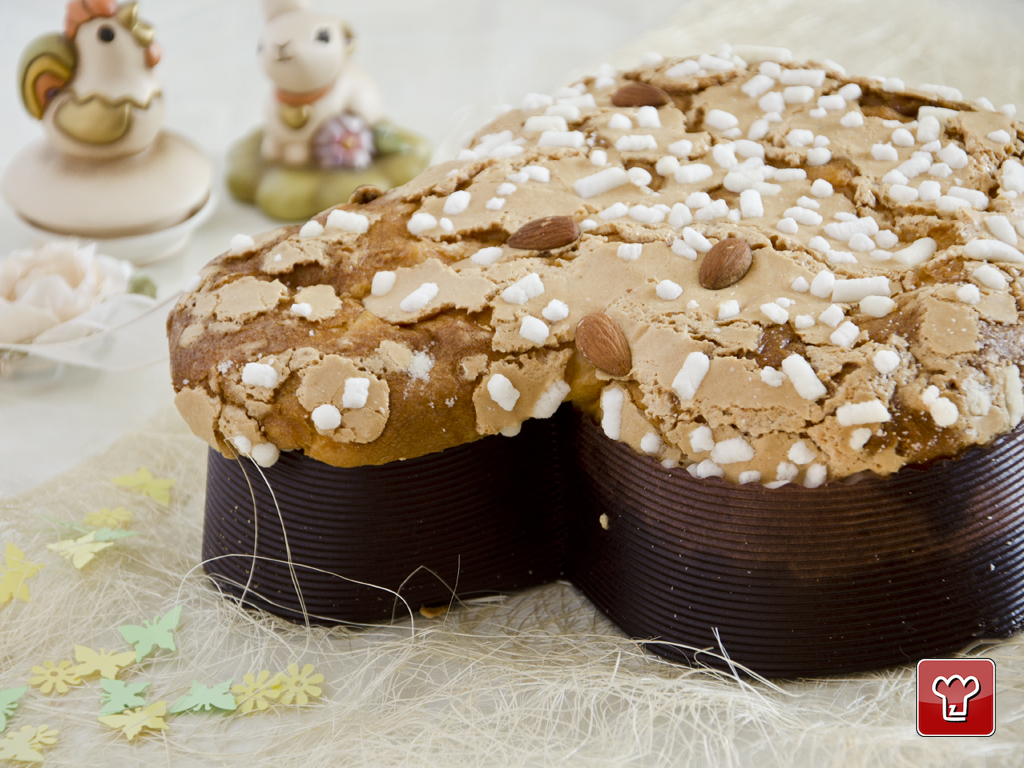
There are some cakes that are irresistible to both adults and children due to their lightness, aroma and inimitable taste: one of these is certainly the Easter colomba ‘dove’ cake, which is always served in Italy during this important religious festival. The cake symbolises Easter, both due to its shape as a dove, itself also a symbol of peace and purity and, as it contains eggs, as a metaphor for rebirth. Recipes to make this Easter cake are countless and making it at home takes a long time due to the extensive rising periods, so that, like many traditional desserts, it requires more than one day to complete. The recipe that I offer here comes from a magazine and is a slightly different version from that suggested by Anna Moroni. When covering the cake with the icing, take care not to go right to the edge of the mould because, otherwise, the glaze will leak out during cooking.
Ingredients
* approximate values per serving
Preparation
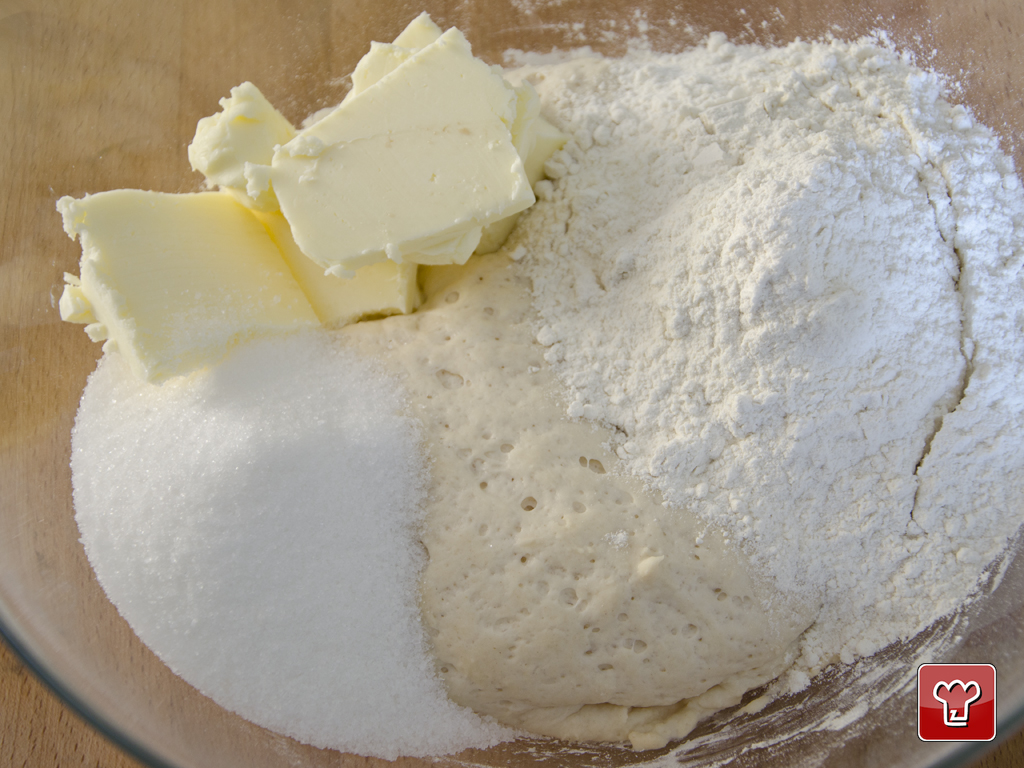
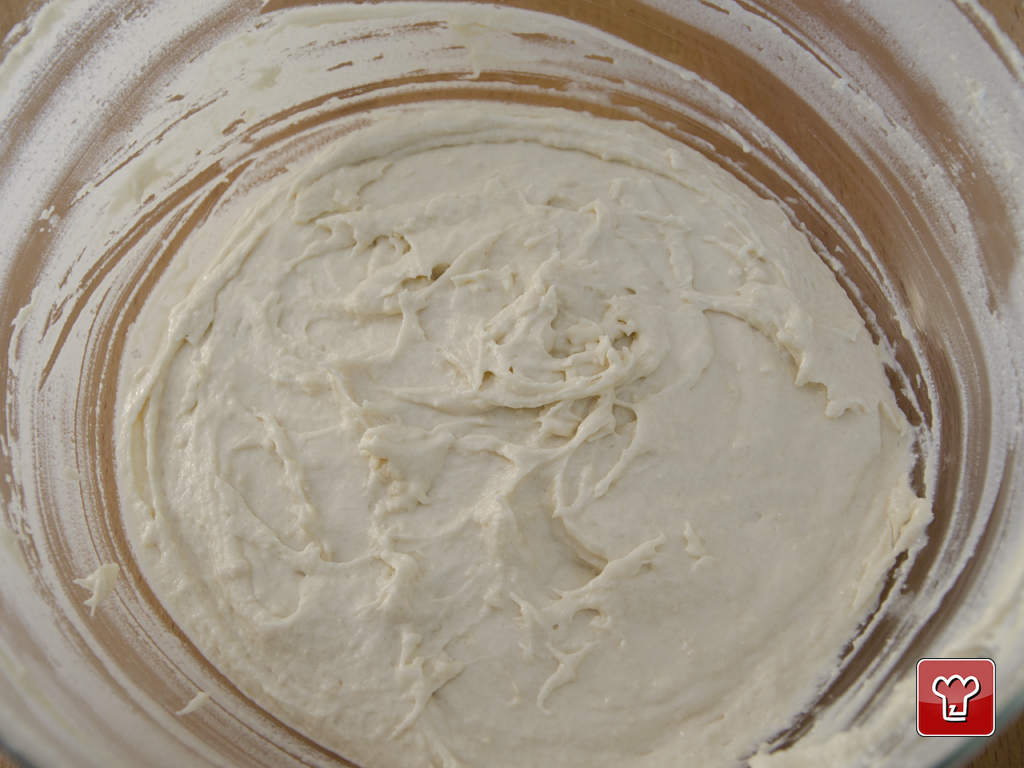
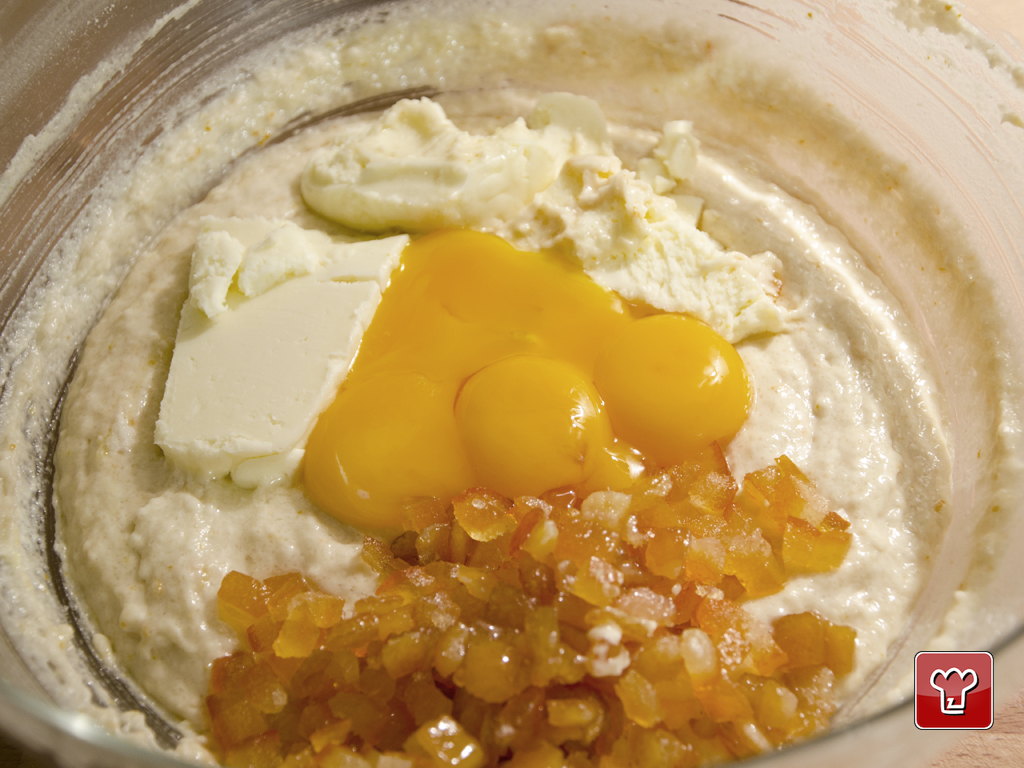
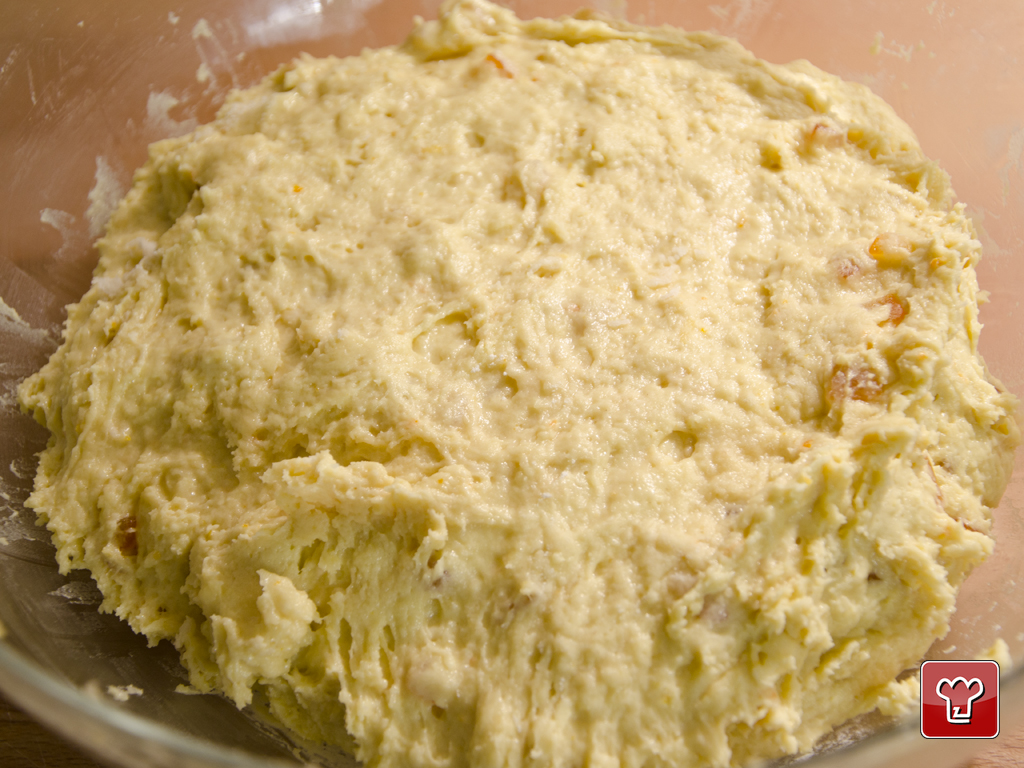
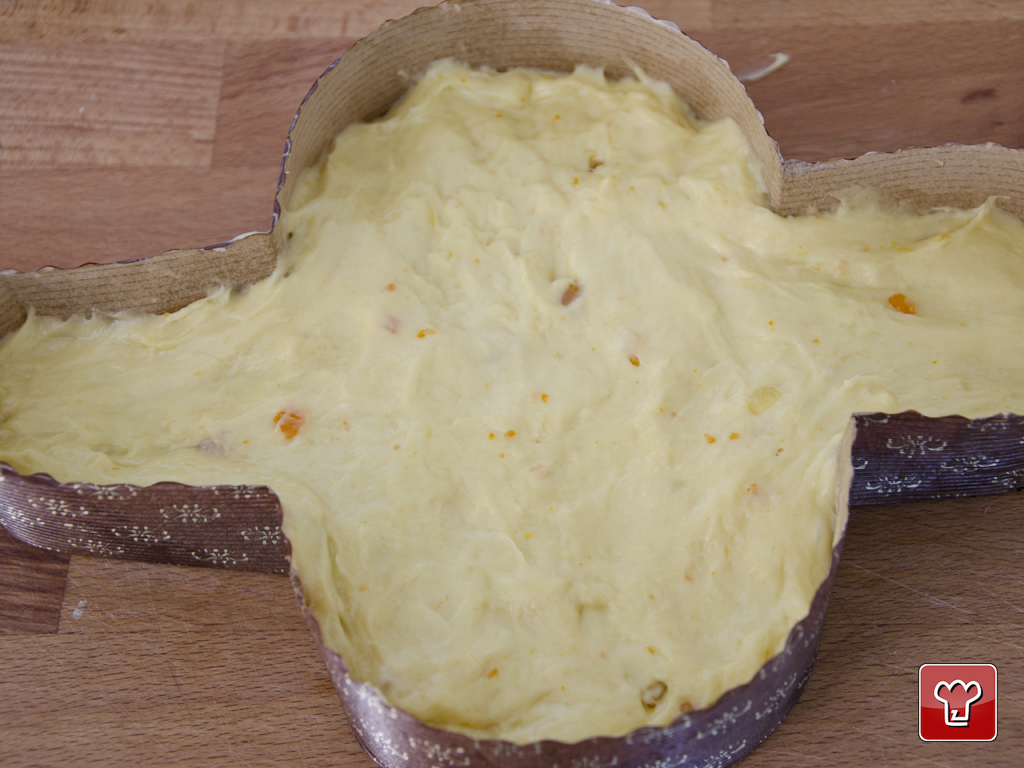
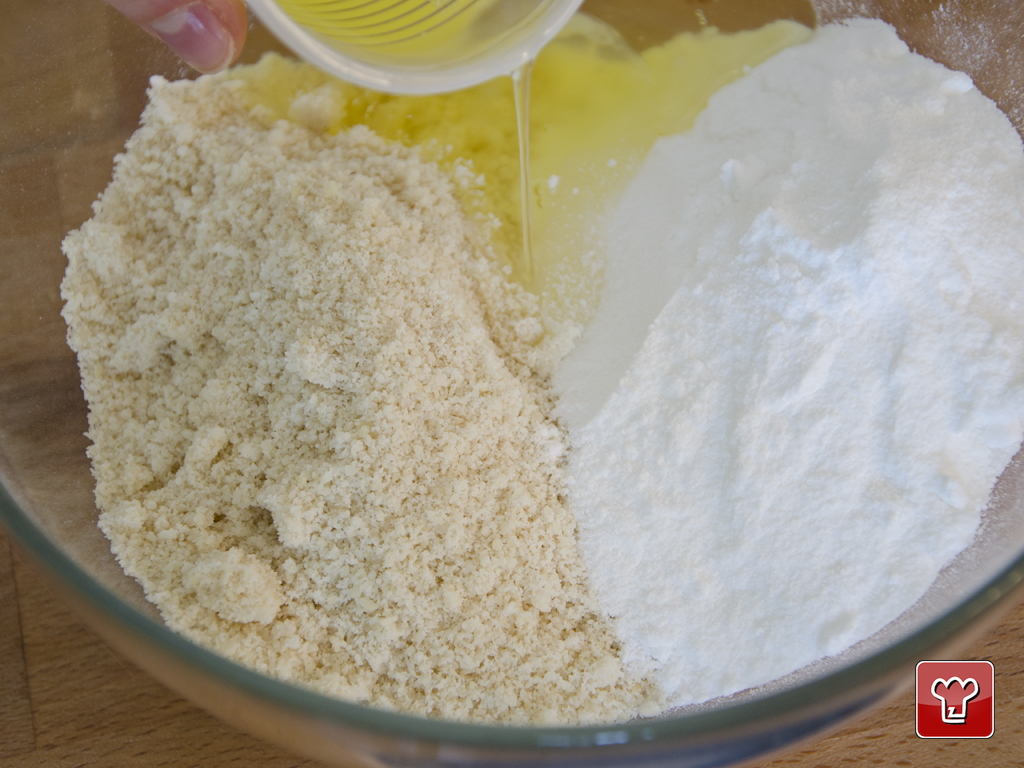
Sift the flours and make the raising agent by kneading together 150g g flour with the yeast dissolved in 125 g of warm milk. Let it rise for about an hour. Then add to this dough the other 150 g of flour, 120g of sugar, the remaining milk and 125g of butter. Knead thoroughly and let it rise for 3 hours. At this point combine the rest of the ingredients, the eggs, egg yolks, candied fruit, grated zest, butter and remaining flour, honey and vanilla. Knead and let it rise for 12 hours at constant temperature. After this time is up, transfer the dough into two moulds of about 750 g each and let it double in volume. When it is about 1 cm below the rim, sprinkle with icing that you have made by whisking the flour, almonds, icing sugar and egg whites together. Decorate the surface with whole almonds and sugar grains. Bake, finally, at 200°C for 10 minutes, then lower the heat to 180°C for another 40 minutes. Remember to cover the surface with aluminium foil halfway through the cooking time to prevent the icing darkening too much.
Step by step
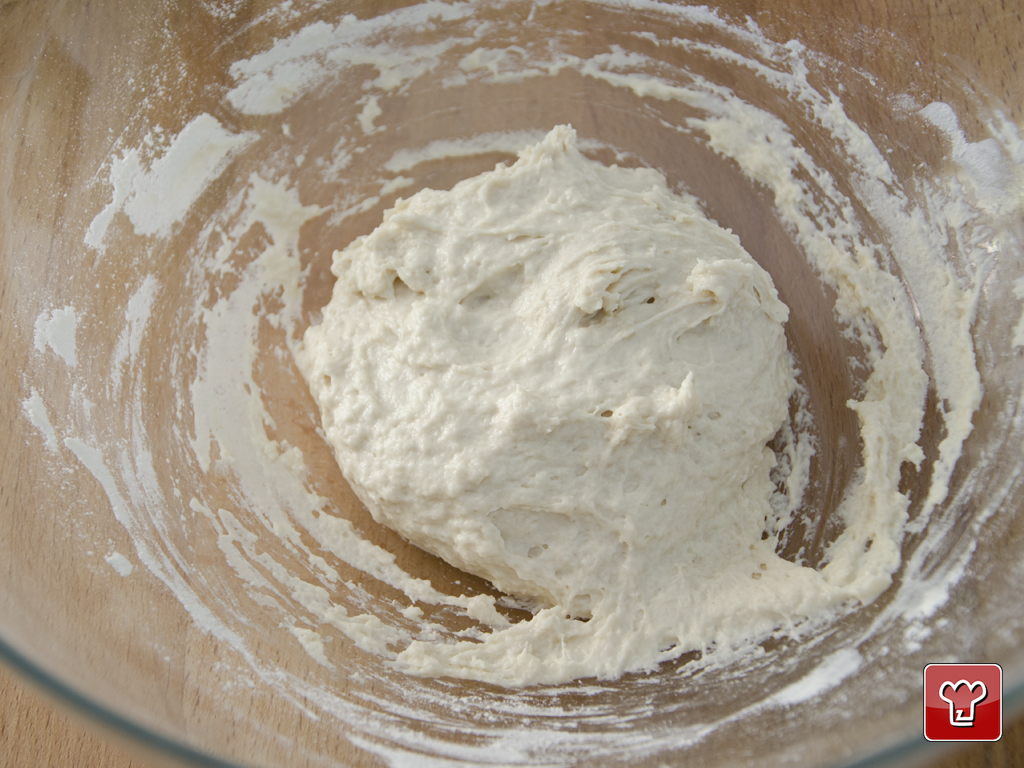
|
View the step by step
|
Knead the starter dough with the flour, sugar and butter
|
|
View the step by step
|
Leave to rise for 3 hours
|
|
View the step by step
|
Add the eggs, candied fruit, butter and honey
|
|
View the step by step
|
Leave to rise overnight
|
|
View the step by step
|
Transfer the dough into the dove-shaped mould
|
|
View the step by step
|
Prepare the icing with almond flour, the icing sugar and the egg whites
|
|
View the step by step
|
Cover the cake with the icing
|
|
View the step by step
|
Decorate the surface with the almonds and granulated sugar
|
|
View the step by step
|
Leave to cool completely and serve
|
Additional information
Homemade Colomba with Candied Orange
To enrich your homemade colomba, you can opt for a variant with candied orange, which gives the dessert an irresistible citrus aroma and flavor. This preparation involves the addition of candied orange peels, which integrate perfectly with the soft and risen dough. The candied fruit can be made at home or purchased ready-made, depending on your time availability. The important thing is that they are of good quality to ensure an optimal final result. This variant not only enhances the flavor but also makes the colomba even more festive and colorful, perfect for Easter celebrations or a special snack. Try dusting the surface with powdered sugar for a final touch of sweetness and presentation.
Lombard Homemade Colomba
Discover the tradition with the Lombard homemade colomba, a typical dessert from the region that celebrates Easter. This preparation is distinguished by its dove shape and high-quality ingredients, such as selected flours and fresh butter. The Lombard recipe calls for the use of brewer's yeast, which helps achieve a very soft and well-risen dough. The addition of whole almonds and powdered sugar on the surface not only enriches the flavor but also makes the colomba visually appealing. During baking, the aroma that fills the kitchen is unmistakable and immediately brings to mind the festivities. Making the colomba at home is a way to keep the tradition alive and share special moments with family.
Light Homemade Colomba without Butter
If you are looking for a lighter version of the classic dessert, the light homemade colomba without butter is the perfect solution. In this preparation, you can substitute butter with Greek yogurt or seed oil to reduce calories without compromising the softness of the dough. Additionally, you can use brown sugar or natural sweeteners to make the recipe even healthier. Don't forget to use fresh, high-quality ingredients, such as eggs and flours, to ensure a good result. This light variant is ideal for those who want to enjoy a traditional dessert without feeling heavy, perfect for those following a balanced diet.
Homemade Colomba: Benefits of Brewer's Yeast and Calories
The homemade colomba is not only a delicious dessert but can also provide benefits thanks to the ingredients used. Brewer's yeast, for example, is not only essential for leavening but is also an excellent source of B vitamins, which support metabolism and nervous system health. Additionally, the almonds in the recipe are rich in antioxidants and good fatty acids, which promote cardiovascular well-being. Regarding calories, a serving of homemade colomba can vary between 300 and 400 kcal, depending on the ingredients used and the portions. It is important to enjoy it in moderation, especially during the holidays.
Can Homemade Colomba be Frozen?
The answer is yes, you can freeze the homemade colomba to preserve its freshness and flavor. It is advisable to do this after the dessert has completely cooled. To freeze it properly, wrap it in plastic wrap or place it in a food bag, making sure to remove as much air as possible. This way, you will avoid the formation of frost and the risk of altering the flavor. When you want to enjoy it, simply let it thaw at room temperature for a few hours. Remember that the colomba can maintain its goodness for up to three months in the freezer, so don't hesitate to prepare more than one to have it available for special occasions!